
Bryant University has carved out a distinct position in higher education by blending business-focused education with a strong liberal arts foundation. Located in Smithfield, Rhode Island, Bryant is widely recognized for preparing students for careers in business, finance, analytics, and professional leadership while still emphasizing critical thinking, communication, and global awareness. For students and families evaluating private universities in the Northeast, Bryant often stands out for one key reason: career outcomes. The university is unapologetically career-oriented, designing its curriculum, internships, and co-curricular activities to align closely with employer expectations.
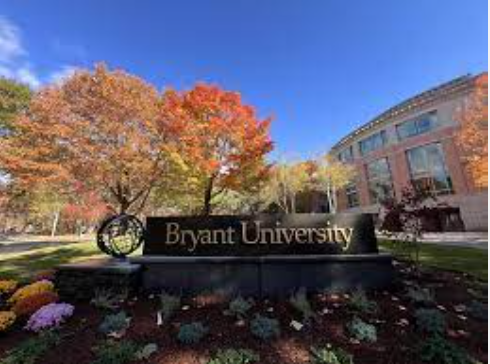
University Overview and Institutional Profile
Founded in 1863, Bryant University is a private, nonprofit institution with a long history of business education. While it began as a commercial school, Bryant has evolved into a modern university offering a broad range of undergraduate and graduate programs rooted in applied learning and professional development.
The university enrolls a relatively small student population compared to large public institutions, which allows for smaller class sizes, closer faculty interaction, and personalized advising. Bryant’s campus in Smithfield offers a suburban setting with easy access to Providence and the greater New England region, making it convenient for internships, networking, and regional employment opportunities.
Academic Programs and Areas of Strength
Bryant University is best known for its business-focused academic offerings, but its curriculum is intentionally interdisciplinary. Students are encouraged to combine technical, analytical, and communication skills rather than specialize too narrowly.
At the undergraduate level, Bryant offers degrees in areas such as:
- Business Administration
- Finance
- Accounting
- Marketing
- Global Supply Chain Management
- Data Analytics and Information Systems
- Economics
- Communication
- Psychology
- International Studies
Experiential learning is a defining feature of Bryant’s academic model. Internships, consulting projects, case competitions, and real-world simulations are embedded into many programs. Students often graduate with multiple internships completed, giving them a competitive edge in the job market.
Graduate programs at Bryant further reinforce its professional orientation. Master’s degrees are offered in fields such as:
- Master of Business Administration (MBA)
- Master of Science in Accounting (MSA)
- Master of Science in Finance
- Business Analytics
- Online MBA programs for working professionals
These programs are designed with flexibility in mind, catering to both recent graduates and mid-career professionals.
Faculty, Learning Environment, and Career Integration
Bryant’s faculty includes experienced academics and industry practitioners who bring real-world insight into the classroom. Courses are often discussion-based and project-driven rather than lecture-heavy, encouraging active participation and applied problem-solving.
Career preparation is tightly integrated into the academic experience. Bryant’s career services team works closely with academic departments to align coursework with employer needs. Students receive support with internships, resume development, interview preparation, and employer networking from early in their academic journey.
This emphasis on outcomes is reflected in Bryant’s strong placement rates, with many graduates securing full-time employment or graduate school admission shortly after graduation.
Campus Life and Student Experience
Bryant University offers a traditional residential campus experience with modern amenities. Residence halls range from standard doubles to apartment-style suites, allowing students to choose housing options that fit both budget and lifestyle preferences.
Campus life includes student organizations, leadership programs, athletics, and community engagement initiatives. Bryant competes in NCAA Division I athletics, and sports play an important role in campus culture. Beyond athletics, students can engage in professional clubs, cultural organizations, and service-based groups.
Undergraduate Tuition and Cost of Attendance (2025–2026)
Bryant University’s cost of attendance reflects its status as a private institution with extensive academic, residential, and career-support infrastructure. For the 2025–2026 academic year, Bryant has published updated tuition and fee figures that provide a clear picture of expected costs.
Undergraduate Costs (2025–2026)
- Tuition: $53,330 per year
(charged as $26,665 per semester) - Housing:
- Approximately $11,180 for a double room in traditional residence halls
- Up to $16,074 for single rooms or apartment-style suites
- Meal Plans:
- Unlimited meal plans are approximately $7,430 per year
- Mandatory Fees:
- Student Involvement Fee: $584 per year
- Technology Fee: $490 per year
Total Estimated Undergraduate Cost
When tuition, housing, meal plans, and mandatory fees are combined, the total estimated annual cost of attendance is generally $70,000–$71,000 or more, depending on housing selection and personal expenses.
Graduate Program Costs
Graduate program costs at Bryant University vary significantly depending on the degree and delivery format. Tuition is typically charged on a per-credit basis, which provides flexibility for part-time and working students.
Graduate Tuition Examples
- MSA / MBA programs: approximately $1,200 – $1,260 per credit
- Online MBA: approximately $777 per credit
Because graduate students enroll in varying numbers of credits per term, total annual costs can differ widely. Students should review program-specific tuition charts and consult Bryant’s tuition and billing resources for precise estimates.
Financial Aid and Scholarships
While Bryant’s published costs are substantial, most students do not pay the full sticker price. The university invests heavily in financial aid, offering a combination of merit-based scholarships, need-based grants, federal aid, and institutional support.
Bryant awards tens of millions of dollars annually in grants and merit scholarships, significantly reducing out-of-pocket expenses for many students. Merit scholarships are commonly awarded based on academic achievement, leadership, and extracurricular involvement, while need-based aid is determined through standard financial aid applications.
Key Cost Considerations for Students
When evaluating Bryant’s cost structure, students should keep several practical considerations in mind:
- Housing Choice Matters
Selecting a double room versus an apartment-style suite can change annual costs by several thousand dollars. - Aid Packages Vary Widely
Two students with similar academic profiles may receive different aid offers depending on financial circumstances. - Graduate Costs Are Program-Specific
Per-credit tuition means total graduate costs depend on course load and program length. - Living Expenses Beyond Published Estimates
Personal spending, transportation, and optional activities can add to the total annual cost.
Understanding these variables helps families plan realistically rather than relying solely on headline tuition numbers.
Why Choose Bryant University
Bryant University is particularly well-suited for students who value career readiness, applied learning, and professional outcomes. Its strengths lie in business, analytics, and leadership development, supported by a curriculum that emphasizes real-world experience.
Students often choose Bryant for:
- Strong business and analytics programs
- High internship and job placement rates
- Small class sizes and accessible faculty
- A structured, career-focused academic model
- A traditional campus experience with modern facilities
For students aiming to enter competitive industries with practical skills and professional confidence, Bryant offers a focused and supportive environment.
Conclusion
Bryant University delivers a career-driven private university education that combines academic rigor with professional preparation. For the 2025–2026 academic year, undergraduate tuition is $53,330, with total estimated costs exceeding $70,000 annually once housing, meals, and fees are included. Graduate program costs vary by degree, with per-credit rates ranging from under $800 to over $1,200, depending on format and discipline. For those seeking a business-oriented education with strong outcomes, personalized support, and a clear return on investment, Bryant University remains one of the most compelling private university options in Rhode Island and the broader New England region.