
Providence College is a private Catholic liberal arts institution located in Providence, Rhode Island, and is consistently ranked among the top regional universities in the United States. Founded in 1917 by the Dominican Order, the college is known for combining rigorous academics with a strong ethical and philosophical foundation. It attracts students who want a values-centered education, close faculty engagement, and a traditional residential college experience. Because of its name, Providence College is frequently confused with the University of Providence, a separate institution located in Montana. These are entirely different universities with vastly different academic models, locations, and costs. This article focuses only on Providence College in Rhode Island, using the most recent 2025–2026 cost estimates, while clearly noting the distinction to avoid costly misunderstandings during the application process.
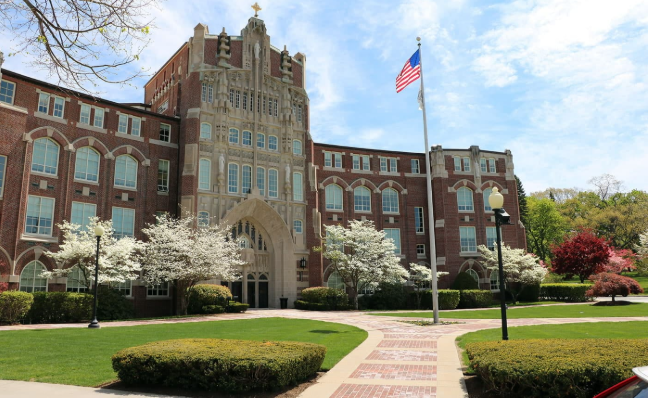
Institutional Overview and Mission
Providence College is a private, nonprofit institution rooted in the Catholic and Dominican intellectual tradition. Its academic philosophy emphasizes the pursuit of truth, ethical reasoning, and the integration of faith and reason. While religious in foundation, Providence College welcomes students from diverse backgrounds and beliefs.
The college enrolls a relatively small undergraduate population, which allows for personalized instruction, small class sizes, and strong faculty mentorship. Most students live on campus, contributing to a close-knit community and a strong sense of campus identity.
Providence College is particularly respected for its emphasis on liberal arts education, even within professionally oriented majors such as business and education. This approach ensures that graduates develop analytical thinking, communication skills, and ethical awareness alongside technical knowledge.
Academic Programs and Educational Approach
Providence College offers a broad range of undergraduate programs across arts and sciences, business, education, and theology. All students complete a core curriculum rooted in liberal arts, which includes philosophy and theology requirements, hallmarks of the Dominican tradition.
Popular and well-regarded undergraduate majors include:
- Business Economics
- Finance
- Accounting
- Political Science
- Education
- Psychology
- Biology
- Health Policy & Management
- Philosophy and Theology
The business programs at Providence College are especially notable, combining quantitative training with ethical decision-making and leadership development. Similarly, education programs benefit from strong placement partnerships and a focus on classroom readiness.
Faculty engagement is a defining strength. Courses are often discussion-based, and professors emphasize writing, critical analysis, and debate. Students are encouraged to think deeply about societal challenges, moral responsibility, and professional integrity, skills that translate across careers and industries.
Faculty, Teaching Quality, and Academic Environment
Providence College prioritizes teaching excellence. Faculty members are deeply involved in undergraduate instruction, and research expectations are balanced with a strong commitment to student learning. Small class sizes allow for frequent interaction, personalized feedback, and mentorship. Students often work closely with faculty advisors on academic planning, research projects, and graduate school preparation.
This environment is particularly beneficial for students considering careers in law, education, public service, healthcare, or graduate studies. The academic culture values disciplined inquiry and thoughtful discussion rather than large lecture-based learning. For students who thrive in structured academic environments with clear expectations and close guidance, Providence College is a strong fit.
Campus Life and Student Experience
Campus life at Providence College is community-centered and residential in nature. The majority of students live on campus, especially during the first three years, which fosters strong peer relationships and a cohesive campus culture.
Students can participate in a wide range of extracurricular activities, including:
- Academic and professional clubs
- Service and community engagement programs
- Cultural and identity-based organizations
- Student government and leadership initiatives
- NCAA Division I athletics
Athletics play a visible role in campus life, particularly basketball, which has a strong following and contributes to school spirit. Beyond sports, Providence College emphasizes service learning and civic engagement, encouraging students to apply academic concepts to real-world social issues.
Support services include academic advising, career development, counseling, and wellness programs. Career services assist students with internships, resume development, and job placement, often leveraging the college’s strong alumni network.
Tuition and Fees (2025–2026 Academic Year)
For the 2025–2026 academic year, Providence College has published updated tuition and fee figures that reflect the cost of attendance before financial aid.
Providence College Tuition & Mandatory Fees (2025–2026)
- Tuition: $64,870 per year
- Technology Fee: $480 per year
- Student Activity Fee: $460 per year
Total Tuition & Fees: ~$65,810 per year
These charges represent the core academic and institutional fees required for full-time undergraduate enrollment.
Total Estimated Cost of Attendance
In addition to tuition and fees, students must account for housing, meals, books, and personal expenses. When these costs are included, the total estimated cost of attendance increases significantly.
Estimated Total Undergraduate Cost (2025–2026)
- Tuition & Fees: ~$65,810
- Room & Board: varies by residence hall and meal plan
- Books & Supplies: estimated additional cost
Estimated Total Cost: ~$75,550 or more per year, depending on housing and personal spending choices.
Financial Aid and Affordability
Providence College offers an extensive financial aid program designed to make its education accessible to students from a wide range of economic backgrounds. Financial aid packages may include:
- Institutional merit-based scholarships
- Need-based grants
- Federal and state financial aid
- Work-study opportunities
- Student loans (as applicable)
Many students receive some form of institutional aid, which can substantially reduce out-of-pocket costs. Merit scholarships are often awarded based on academic performance, leadership, and extracurricular involvement, while need-based aid is determined through standard financial aid applications.
Important Distinction: Providence College vs. University of Providence
A critical clarification for prospective students: Providence College (Rhode Island) is not the same institution as the University of Providence (Montana).
- Providence College (Rhode Island, USA):
- Private Catholic liberal arts college
- Tuition & fees (2025–2026): ~$65,810
- Total estimated cost with housing: ~$75,550+
- University of Providence (Montana, USA):
- Separate institution
- Total direct costs for freshmen (2025–2026): ~$43,996
These institutions differ in location, academic focus, governance, and cost structure. Applicants should always confirm they are reviewing the correct school’s official bursar and financial aid pages before making enrollment decisions.
Why Choose Providence College
Providence College is well-suited for students who value:
- A structured liberal arts education with ethical foundations
- Small class sizes and close faculty mentorship
- Strong business, education, and social science programs
- A residential campus with a strong sense of community
- Career preparation grounded in critical thinking and values
Graduates often pursue careers in business, education, healthcare administration, public service, and graduate or professional schools. The college’s emphasis on ethics and leadership is a distinguishing factor in both academic and professional development.
Conclusion
Providence College offers a rigorous, values-driven undergraduate education within a close-knit academic community. For the 2025–2026 academic year, tuition and mandatory fees total approximately $65,810, with total estimated costs rising to $75,550 or more once housing, meals, and books are included. While the sticker price is substantial, Providence College’s comprehensive financial aid programs significantly reduce net costs for many students. Prospective applicants should carefully distinguish Providence College from similarly named institutions, such as the University of Providence, and always verify the most current figures through official college resources.