
Dartmouth College is a private Ivy League institution located in Hanover, New Hampshire. Founded in 1769, Dartmouth is known for its rigorous liberal arts education, close-knit undergraduate focus, and strong outcomes in fields such as economics, government, engineering, computer science, and the life sciences. As a private nonprofit university, Dartmouth follows a comprehensive cost-of-attendance model rather than residency-based tuition, meaning costs are consistent for domestic and international students.
This article outlines the estimated tuition and total cost of attendance for the 2025–2026 academic year, primarily for undergraduate students.
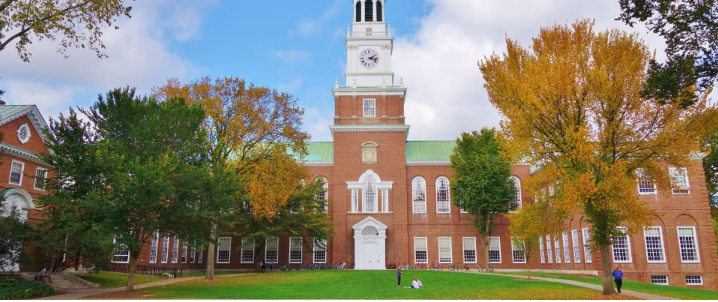
Institutional Overview and Academic Focus
Dartmouth operates on a unique quarter-based D-Plan, allowing students flexibility in scheduling academic terms, off-campus programs, and internships. The institution emphasizes undergraduate teaching, small class sizes, faculty accessibility, and research engagement. While Dartmouth also houses prestigious graduate and professional schools, its undergraduate program remains central to its academic identity. Because Dartmouth is a private Ivy League college, tuition is not dependent on state residency, but total costs vary based on housing choices, insurance needs, and personal expenses.
Key Factors Influencing Tuition and Total Cost
The total cost of attendance at Dartmouth is influenced by several factors:
- Tuition Structure: Fixed annual tuition regardless of residency
- Enrollment Format: Full-year enrollment versus partial-year (D-Plan scheduling)
- Housing and Dining: On-campus room and board selections
- Health Insurance: Required unless waived with comparable coverage
- Personal and Academic Expenses: Books, supplies, and incidental costs
While tuition is standardized, indirect costs can vary by student lifestyle and academic needs.
Campus Life and Student Experience at Dartmouth College
Campus life at Dartmouth College is shaped by its residential undergraduate focus, close-knit community, and rural New England setting. Located in Hanover, New Hampshire, the campus offers a traditional college-town environment where academic, social, and extracurricular life are closely integrated.
Residential Living and Housing
Dartmouth requires most undergraduates to live on campus, which strengthens community engagement throughout the academic year. Students are housed in residence halls, living-learning communities, and affinity-based housing options. On-campus dining includes multiple meal plans and dining locations designed to support varied schedules under the D-Plan system.
Student Organizations and Extracurriculars
Dartmouth supports hundreds of student-led organizations, covering academic societies, cultural groups, performing arts, public service initiatives, and entrepreneurship. The campus also has a long-standing tradition of student publications, debate societies, and leadership programs that complement classroom learning.
Athletics and Outdoor Culture
Athletics play a visible role in campus life. Dartmouth competes in NCAA Division I as a member of the Ivy League, offering varsity, club, and intramural sports. Beyond organized athletics, the college’s location near rivers, forests, and mountains makes outdoor activities—such as hiking, skiing, and kayaking—an integral part of student life.
Social Life and Community Traditions
Social life at Dartmouth includes a mix of college-sponsored events, cultural programming, and student-organized activities. The institution maintains policies aimed at balancing social engagement with student safety and academic priorities. Seasonal traditions, outdoor events, and campus-wide celebrations contribute to a strong sense of identity and alumni connection.
Estimated Undergraduate Costs (2025–2026)
Full-Year Estimated Cost of Attendance
For the 2025–2026 academic year, Dartmouth’s estimated total cost of attendance is approximately $95,490, including both direct and indirect expenses.
Cost Breakdown (Annual Estimates):
- Tuition: ~$69,207
- Mandatory Fees: ~$2,318 (includes student life fee)
- Room & Board (Housing + Food): ~$20,920
- Housing: ~$12,579
- Food: ~$8,341
- Books, Supplies, and Equipment: ~$1,005
- Personal Expenses: ~$2,040
- Health Insurance: ~$4,556 (if not waived)
- Computer (Estimated): ~$1,700 (one-time estimate)
Total Estimated Annual Cost: ~$95,490
This figure represents a planning estimate and includes both billed and non-billed expenses.
Per-Term Cost Estimates (2025–2026)
For students evaluating costs on a per-term basis under Dartmouth’s D-Plan, estimated direct costs per term are as follows:
- Tuition (Per Term): ~$23,069
- Fees (Per Term): ~$686
When housing, food, and personal expenses are included, the estimated per-term budget reaches approximately $31,660. Actual per-term costs vary depending on enrollment pattern and housing status.
Financial Aid and Affordability
Despite its high sticker price, Dartmouth is widely recognized for its need-based financial aid program. The college practices need-blind admissions for U.S. students and meets 100% of demonstrated financial need without student loans for many families.
Financial support may include:
- Need-based grants
- Dartmouth-funded scholarships
- Federal and institutional aid
- Work-study opportunities
For qualifying students, financial aid can substantially reduce out-of-pocket costs, making Dartmouth accessible across a wide range of income levels.
Planning and Cost Transparency
Dartmouth provides detailed cost information and financial aid guidance through its admissions and financial aid offices. Students are encouraged to review official resources and request individualized estimates based on family income, insurance coverage, and enrollment plans.
Conclusion
For the 2025–2026 academic year, Dartmouth College’s estimated total cost of attendance is approximately $95,490, reflecting its status as a private Ivy League institution with comprehensive academic and residential offerings. While tuition and fees are high, Dartmouth’s robust financial aid framework plays a critical role in offsetting costs for many students.
Dartmouth remains a top choice for students seeking a world-class undergraduate education, strong faculty engagement, and long-term academic and professional value.