
The University of New Hampshire (UNH) is a public research university located in Durham, New Hampshire, and serves as the state’s flagship institution. Known for its strong programs in engineering, business, environmental sciences, and liberal arts, UNH attracts both in-state and out-of-state students seeking a comprehensive public university experience. As a public institution, tuition and fees at UNH vary significantly based on residency status, academic level, and program of study.
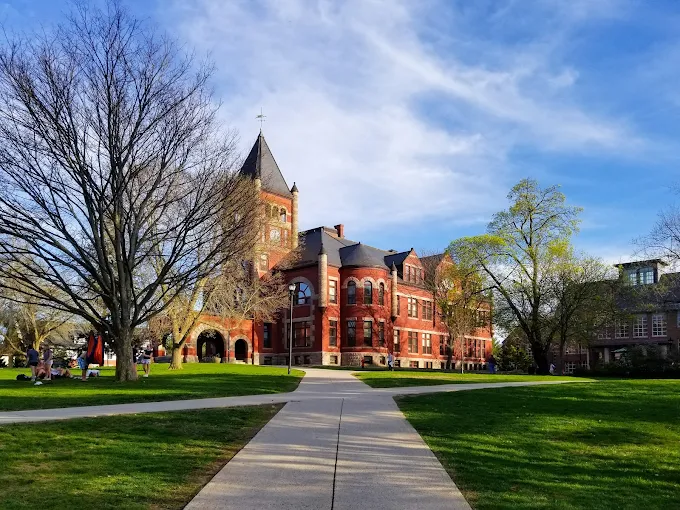
Institutional Overview and Academic Focus
UNH offers a wide range of undergraduate, graduate, and doctoral programs across colleges such as Engineering and Physical Sciences, the Peter T. Paul College of Business and Economics, Health and Human Services, and Liberal Arts. The university combines classroom learning with research opportunities, internships, and experiential education, particularly through its land-, sea-, and space-grant missions.
Because UNH is a public university, tuition rates are structured around New Hampshire residency, with additional pricing tiers for out-of-state and New England Regional Student Program (NERSP) participants.
Key Factors Influencing Tuition and Fees
Total costs at UNH depend on several enrollment-related factors:
- Residency Status: In-state, out-of-state, and New England Regional rates differ substantially
- Academic Program: Select majors carry additional program fees
- Enrollment Level: Undergraduate and graduate tuition structures are separate
- Housing and Dining Choices: On-campus versus off-campus living impacts total cost
As a result, overall expenses can vary widely between students.
Estimated Undergraduate Tuition and Fees (2024–2025)
Durham Campus Undergraduate Tuition
- New Hampshire Residents:
~$15,520 per year (approximately $7,760 per semester) - Out-of-State Students:
~$36,170 per year (approximately $18,085 per semester) - New England Regional Student Program (NERSP):
~$27,160 per year (approximately $13,580 per semester)
Program-Specific Fees (Annual Estimates)
- College of Engineering and Physical Sciences (Engineering / Computer Science):
Additional ~$1,434 - Peter T. Paul College of Business and Economics:
Additional ~$1,384
These fees are applied on top of base tuition and reflect higher instructional and facility costs.
Graduate Tuition Overview (2024–2025)
- New Hampshire Residents:
~$14,520 per year (approximately $7,260 per semester) - Out-of-State Students:
~$28,500 per year (approximately $14,250 per semester)
Graduate costs vary by program, credit load, and delivery format.
Estimated Total Cost of Attendance (2025–2026)
When tuition, mandatory fees, housing, food, books, and personal expenses are included, UNH’s estimated total cost of attendance for the 2025–2026 academic year is:
- In-State Students: ~$39,554 per year
- Out-of-State Students: ~$60,966 per year
These figures represent planning estimates. Actual costs may increase depending on housing selection, meal plans, program fees, and personal spending.
Campus Life and Student Experience at UNH
Campus life at the University of New Hampshire reflects a balance between traditional college-community living and an active, outdoors-oriented lifestyle. The Durham campus offers a classic New England setting with a strong sense of school identity.
Housing and Residential Life
Many undergraduates choose to live on campus, particularly during their first years. Residence halls range from traditional dormitories to suite-style living, with learning communities and themed housing options available. Dining services offer multiple meal plans and campus-wide dining locations.
Student Organizations and Activities
UNH hosts hundreds of student organizations, including academic clubs, cultural groups, service organizations, performing arts, and professional societies. These activities provide leadership development and social engagement beyond the classroom.
Athletics and Recreation
UNH competes in NCAA Division I athletics, with hockey being a major focal point of campus spirit. In addition to varsity sports, students have access to club sports, intramurals, and extensive recreation facilities. The surrounding region supports outdoor activities such as hiking, skiing, and coastal exploration.
Campus Culture
The university promotes an inclusive and community-driven environment, with regular campus events, traditions, and student-led initiatives. Its proximity to both Boston and the New Hampshire seacoast adds to the overall student experience.
Financial Aid and Cost Planning
UNH offers financial support through merit-based scholarships, need-based aid, federal and state grants, and work-study programs. Because costs vary widely by residency and program, students are encouraged to use UNH’s official tuition and cost calculators and consult the Business Services office for detailed breakdowns.
Conclusion
When evaluating public university costs for the 2025–2026 academic year, the University of New Hampshire stands out for its clearly defined residency-based tuition model and transparent fee structure. Estimated total annual expenses are approximately $39,554 for New Hampshire residents and $60,966 for out-of-state students, with additional variation based on academic program and housing choices.
With its strong research focus, comprehensive academic offerings, and a residential campus environment, UNH allows students to balance educational quality with predictable cost planning. Prospective students are encouraged to review program-specific fees and housing options carefully to develop an accurate, individualized budget prior to enrollment.