
Rhode Island School of Design (RISD) is one of the most respected art and design institutions in the world, and it’s not subtle about it. Located in Providence, Rhode Island, RISD has built a reputation for producing artists, designers, filmmakers, architects, and creative directors who shape modern visual culture, from galleries and studios to product teams at major tech firms. What makes RISD different is that it is not “art school as a vibe.” It is art school as a serious, structured, studio-driven education built around critique, craft, concept development, and production-level execution.
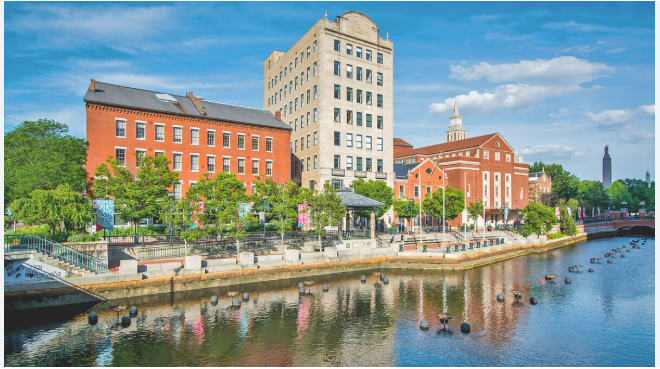
Overview
RISD is a private nonprofit college focused on art and design education. It offers undergraduate and graduate degrees, with a campus environment built around studios, workshops, labs, and critique spaces rather than large lecture halls. The school’s identity is strongly rooted in making and iteration: students develop ideas, test them through materials and tools, receive feedback, and then rebuild stronger.
RISD is also known for its proximity and academic relationship with Brown University. While RISD is its own institution, cross-registration opportunities (where available) and a shared city setting create a wider academic and cultural ecosystem than a standalone art college in a small town.
Academic Programs
RISD’s academic structure is studio-centered. That means learning is driven by projects, critique, and output. Students are expected to build skills and conceptual depth simultaneously—so the work looks strong and means something.
At the undergraduate level, RISD offers Bachelor of Fine Arts (BFA) degrees in disciplines such as:
- Graphic Design
- Industrial Design
- Illustration
- Film/Animation/Video
- Architecture
- Interior Architecture
- Photography
- Ceramics
- Jewelry + Metalsmithing
- Sculpture
- Textiles
- Furniture Design
- Painting
You’ll also find strong options in digital and hybrid directions where students blend physical craft with digital production. Most programs emphasize both foundations and specialization, and students develop fundamental skills early, then go deeper into their department.
Experiential Learning and Career Preparation
Students build bodies of work that can support applications for internships, freelance work, grants, exhibitions, and full-time roles. Many programs incorporate real-world prompts and professional expectations. Students also gain experience presenting, documenting, and communicating their work—skills that matter just as much as raw creative talent when it’s time to compete for opportunities.
RISD’s broader learning model encourages creative independence. Students are pushed to develop a personal voice, but also to understand constraints: audience, function, production limitations, client realities, and budgets.
This is important because RISD graduates land across many directions:
- Traditional studio art and gallery practice
- Product and brand design
- UX/UI and digital production
- Film, animation, and media
- Architecture and spatial design
- Creative strategy and advertising
- Entrepreneurship and independent practice
Campus Life at RISD
RISD’s campus life feels different from a typical university because the studio culture shapes everything. Students spend long hours in department buildings and shared workspaces. There’s a rhythm to life at RISD: intense production cycles, critiques, and project deadlines. That said, the campus still offers a full student experience—housing, student services, campus activities, and clubs. The social world often forms around studios and collaborative work, but there are also student organizations, cultural events, exhibitions, visiting artist talks, and community projects.
Providence plays a big role here. Students can attend gallery openings, local art events, and creative meetups, while also enjoying the practical benefits of a city environment (food, transportation, internships, part-time work options).
Wintersession and Extra-Cost Opportunities
RISD has a dedicated Wintersession structure. It’s a five-week term that allows students (depending on major and year) to explore specialized courses, experimentation, and sometimes travel-based programs. RISD’s Wintersession is a real academic term with structured offerings.
Now here’s the key money detail: some courses and programs can add extra costs. This is especially relevant for travel courses or programs that require specialized materials, equipment, or off-campus experiences. Travel course structures and application details are handled separately and can involve additional spending beyond basic tuition.
RISD’s catalog guidance also notes that additional fees may apply in certain situations (including Wintersession-related enrollment rules and other program-specific cost structures).
Tuition and Estimated Cost of Attendance (Undergraduate)
RISD is expensive at the sticker price. The good news is that many students do not pay the sticker price after aid, but you should still understand the published budget so you can plan realistically.
Estimated Annual Undergraduate Costs
RISD’s official undergraduate cost of attendance estimate for the 2024–2025 academic year is:
- Tuition: $61,564
- Activity fee: $284
- Academic & technology fee: $840
- Estimated housing: $9,830
- Estimated food: $6,796
- Estimated books and supplies: $3,000
- Estimated transportation: $1,050
Estimated total cost of education: $83,364 (academic year). This aligns with the numbers you provided and is confirmed directly by RISD’s Student Financial Services cost-of-attendance table.
A note on newer tuition figures (2025–2026)
RISD also publishes updated tuition and fee figures for newer cycles through Student Financial Services billing guidance. For example, the 2025–2026 tuition and core fees listed include: Tuition $63,966, plus student activity fee $296 and academic and technology fee $874.
Financial Aid and Net Price Reality
RISD Student Financial Services makes it clear that aid for undergraduates can come through scholarships, federal and state grants, loans, and work-study options, depending on eligibility. You also mentioned RISD Promise and average grant levels. While the exact “average grant” figure can vary by cohort and reporting method, third-party summaries often reflect significant average aid packages; for example, College Board’s BigFuture lists a substantial average aid package figure for RISD (useful for general expectation-setting).
Separately, another financial-aid-statistics aggregator reports average grant aid amounts in the mid-$30k range and includes a “last updated December 11, 2025” note—again, helpful context, but not a substitute for RISD’s own individualized aid estimate.
Key Cost Considerations Students Often Miss
Even when tuition and room/board are clear, art and design education has unique cost realities. Here are the most common “surprise” categories families should plan for:
- Course materials and studio supplies
Some departments require more frequent or more expensive materials. Printmaking, architecture model-building, photography, textiles, and industrial design can be supply-heavy. Even with a books/supplies estimate, project intensity can push costs higher. - Software and equipment ecosystems
Laptops, tablets, cameras, printers, and subscriptions can be part of a student’s workflow depending on department. The school estimate includes general books and supplies, but personal equipment choices often vary. - Wintersession and travel options
Travel courses and special programming can add costs outside the baseline budget. (global.risd.edu) - Exhibitions, printing, and portfolio production
Seniors often invest more near graduation—printing, framing, portfolio websites, documentation, and show preparation can add up.
Why Choose RISD
RISD makes sense when a student wants a serious creative education that produces professional-level work—and they’re ready for the intensity.
RISD stands out for:
- Global reputation in art and design education
- Studio-driven learning and critique culture that produces strong portfolios
- Facilities and production environments that support real making
- Access to a creative city environment and broader New England opportunities
- Strong alumni presence across design, art, media, architecture, and creative leadership roles
For the right student, RISD is not just “a college.” It’s a four-year creative bootcamp with a degree attached.
Conclusion
Rhode Island School of Design remains a top-tier choice for students who want to build a career through art and design and who thrive in a high-output, high-feedback environment. The undergraduate sticker price is significant; RISD’s official 2024–2025 estimated total cost of attendance is $83,364. But the real financial picture depends heavily on aid. RISD offers structured financial aid pathways through Student Financial Services, and many students reduce their out-of-pocket costs substantially through grants, scholarships, and other support mechanisms.