
Harvard University, established in 1636, is the oldest institution of higher learning in the United States. Located in Cambridge, Massachusetts, it has built a legacy of academic excellence, groundbreaking research, and shaping global leaders. Known for its rigorous academics, diverse student body, and commitment to fostering innovation, Harvard consistently ranks as one of the top universities in the world. The institution’s remarkable journey over nearly four centuries has solidified its position as a center of intellectual growth and societal transformation, setting standards for education globally.
Overview
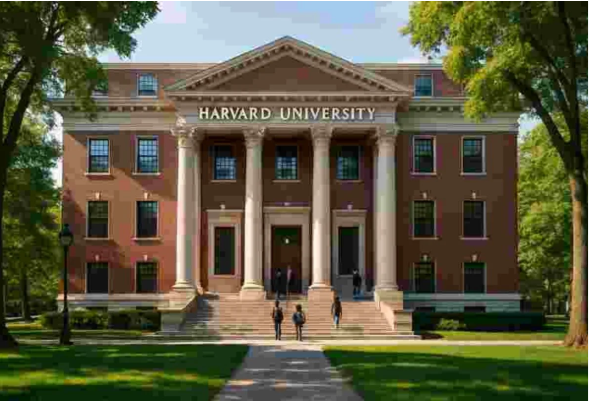
Harvard University consists of ten major academic units, including the undergraduate Harvard College, graduate and professional schools, and the Radcliffe Institute for Advanced Study. It offers a vibrant campus life, world-class resources, and unparalleled opportunities for intellectual growth. With students from all 50 U.S. states and over 100 countries, Harvard fosters a truly global community. The university is home to the largest academic library in the world, advanced research facilities, and a vibrant cultural scene, creating a rich and dynamic environment for exploration and learning. Its structure includes faculties that govern key areas of study and research, ranging from arts and sciences to professional disciplines such as medicine, law, business, and education. Harvard’s iconic campus, with landmarks such as Harvard Yard, Widener Library, and Memorial Hall, embodies a blend of tradition and modernity that attracts visitors from across the globe.
Academic Programs at Harvard University
Harvard offers an extensive array of programs across undergraduate and graduate levels, each designed to foster critical thinking, creativity, and academic rigor.
Undergraduate Majors:
- Economics (B.A.): Explores foundational principles such as market behavior, financial systems, and policy-making. Courses address topics like microeconomics, macroeconomics, and econometrics, equipping students with skills to address complex economic challenges.
- Computer Science (B.Sc.): Focuses on computational theory, system architecture, and software development. Students engage in hands-on projects involving artificial intelligence, machine learning, and cybersecurity.
- Government (B.A.): Examines political theory, comparative politics, and international relations. Students analyze how governments function, addressing challenges like governance, policy design, and diplomatic strategies.
- Biology (B.Sc.): Covers a vast field including genetics, biochemistry, and evolutionary theory. Research opportunities in state-of-the-art labs allow students to delve into the mechanisms of life at cellular and ecosystem levels.
- Psychology (B.A./B.Sc.): Studies cognitive processes, emotional responses, and behavioral patterns. Specializations range from social psychology to neuroscience, preparing students for careers in therapy, research, and corporate psychology.
- History (B.A.): Provides a chronological exploration of human civilization, emphasizing how cultural, political, and economic trends shape societies. Students develop analytical skills through intensive study of primary sources.
- English (B.A.): Encompasses diverse literary traditions, from Shakespearean dramas to contemporary works. Critical writing and creative exploration are central elements, preparing students for careers in academia, publishing, and media.
- Mathematics (B.Sc.): Focuses on advanced theories and practical applications, including statistics, calculus, and abstract algebra. Mathematics serves as the foundation for careers in data science, finance, and engineering.
- Physics (B.Sc.): Explores the fundamental principles of the universe, such as quantum mechanics and relativity. Labs and collaborative research projects equip students to contribute to technological advancements.
- Sociology (B.A.): Investigates societal structures, cultural dynamics, and human interaction. Students engage with pressing issues like inequality, migration, and social justice.
Graduate Programs:
- Business Administration (MBA): A transformative two-year program emphasizing innovation, leadership, and entrepreneurial thinking. Coursework integrates case studies and global immersion programs, grooming students for C-suite roles.
- Law (JD): Harvard Law School provides rigorous training in constitutional law, human rights, and legal frameworks. Students participate in clinics and moot courts, gaining practical insights.
- Medicine (MD): Harvard Medical School combines cutting-edge research with compassionate care education. Students engage with world-class physicians to address global health crises.
- Education (Ed.M.): This program emphasizes advanced learning theories, educational policy development, and effective pedagogical strategies. Graduate School of Education offers tailored tracks to address specific educational needs.
- Public Health (MPH): Designed for addressing challenges in healthcare systems and policies globally. It combines theoretical study with practical training in public health initiatives.
- Engineering and Applied Sciences (Ph.D.): Students collaborate on interdisciplinary projects spanning robotics, materials science, and computational engineering, contributing to advancements in technology and innovation.
- Design (MArch): Harvard Graduate School of Design fosters creative leadership in architecture and urban planning. Projects focus on sustainability and transformative design approaches.
- Divinity (MDiv): Offers spiritual leadership training across traditions, blending historical perspectives with contemporary ethical discussions.
- Arts and Sciences (Ph.D.): Encourages deep scholarly research across humanities, physical sciences, and social sciences. The program nurtures academic thought leaders.
- Public Policy (MPP): Provides tools for analyzing and implementing public policies effectively. Case-based studies equip students for leadership roles in governmental and non-profit sectors.
Campus Life: Extracurricular Activities at Harvard University
The essence of Harvard extends beyond the classroom, offering a rich tapestry of extracurricular and social activities.
Athletics
Harvard boasts a rich athletic tradition with over 42 NCAA Division I teams. Iconic events like the Harvard-Yale football game embody school pride and camaraderie, drawing enthusiastic crowds and fostering a competitive spirit. Recreational athletes and fitness enthusiasts benefit from state-of-the-art facilities like the Malkin Athletic Center, which offers various sports and wellness programs, ensuring there’s something for everyone.
Student Organizations
Harvard’s dynamic extracurricular landscape features hundreds of student organizations catering to intellectual, creative, and recreational pursuits. The Harvard Crimson newspaper allows budding journalists to refine their craft, while groups like Model United Nations engage students in global affairs. These organizations foster leadership, teamwork, and lifelong friendships.
Arts and Culture
Creative expression thrives on campus, supported by a vibrant arts scene. Student-led groups focus on theater, music, dance, and visual arts, offering countless opportunities for performance and collaboration. Harvard’s museums, featuring world-class collections, and the annual Arts First festival celebrate innovation and talent, making art accessible to all members of the community.
Community Engagement
Service is a cornerstone of the Harvard experience, with numerous opportunities for students to give back. The Phillips Brooks House Association spearheads impactful initiatives, such as mentoring local youth, disaster relief efforts, and global humanitarian partnerships. These experiences shape students’ values and build connections that extend far beyond campus.
House System
Harvard’s distinctive house system creates tight-knit residential communities, where students bond over shared experiences. From lively dining hall conversations to spirited inter-house competitions, these residential houses provide a supportive and engaging environment that enriches academic and social life.
Diversity and Inclusion
Celebrating diversity is Harvard’s ethos. Cultural groups honor ethnic traditions and promote meaningful conversations on equity and inclusion. This vibrant exchange of ideas helps prepare students to thrive in an interconnected and multicultural world.
Admissions Process at Harvard University
Applying to Harvard involves a highly selective, yet holistic, approach that considers a candidate’s academic, personal, and extracurricular achievements.
Undergraduate Admission Requirements
- Completed Application (Common App or Coalition App): Applicants must complete either the Common Application or Coalition Application, including Harvard-specific questions and information. This serves as the primary document for admission consideration.
- High School Transcripts: An official record of academic performance throughout high school, highlighting grades, coursework difficulty, and academic progression, must be submitted.
- Standardized Test Scores: Applicants may submit SAT or ACT scores (optional in recent cycles). These scores, if provided, are considered as part of the holistic evaluation process.
- Harvard-Specific Supplemental Essays: Candidates respond to additional essay prompts, offering insights into their motivations, values, and potential contributions to the Harvard community.
- Letters of Recommendation: Two letters from teachers and one from a school counselor are required, showcasing the applicant’s academic capabilities, character, and potential.
- Optional Supplementary Materials: Students can include extra items like research papers, art portfolios, or creative work to demonstrate talent or unique abilities.
- Alumni Interview: Some candidates are offered an interview by alumni. While not required, interviews provide an additional platform to showcase personality and aspirations.
Graduate Admission Requirements
- Program-Specific Application: Each Harvard graduate school requires its unique application, tailored to its specific program offerings and expectations.
- Academic Transcripts: Official transcripts from all post-secondary institutions attended must be submitted, showing academic achievements and preparation for graduate-level work.
- Statement of Purpose: A detailed essay outlining career goals, research interests, and the alignment of the program with the applicant’s objectives is typically required.
- Letters of Recommendation: Most programs require three letters from academic or professional referees who can vouch for the candidate’s capabilities and readiness for advanced study.
- Standardized Test Scores: Programs may require GRE, GMAT, LSAT, or MCAT scores depending on the field. These provide a benchmark of academic aptitude and readiness.
- Resume or Curriculum Vitae (CV): Applicants must submit a document summarizing educational, research, and professional experiences, tailored to their chosen program.
- Additional Materials for Specialized Programs: Creative fields may request portfolios or audition tapes, while some humanities and social sciences ask for writing samples to assess analytical and communication skills.
- Interviews: Some programs, particularly in professional schools or research-focused tracks, conduct interviews to gauge alignment with faculty expertise and program goals.
Harvard University: Tuition Fee, Financial Aid, and Scholarship
Harvard maintains transparency in tuition and associated costs, ensuring families can plan appropriately.
Tuition and Fees
- Undergraduate Tuition Cost: The tuition cost for undergraduate students at Harvard is $59,320.
- Graduate Tuition Cost: For the Graduate School of Arts and Sciences, tuition is $57,328 annually.
Scholarships at Harvard University
- Harvard College Scholarships: Harvard provides need-based scholarships for undergraduate students, offering financial support based on individual family financial circumstances, not academic merit.
- Merit-based Scholarships: Though Harvard primarily offers need-based aid, some departments or programs may provide merit-based scholarships, often in recognition of students’ academic achievements or other talents.
- Departmental and Specialized Scholarships: Certain Harvard departments or programs may offer specialized scholarships for students pursuing specific fields of study or majors, often with additional application processes.
- External Scholarships: Harvard students may also be eligible for scholarships provided by outside organizations, foundations, and government programs. These external funds can sometimes be applied alongside Harvard’s financial aid.
- Scholarships for International Students: Harvard is need-blind for all applicants, including international students. They offer full financial support for accepted international students based on need.
- Scholarships for Underrepresented Groups: Harvard has initiatives to support students from underrepresented communities, including scholarships and financial assistance targeted at increasing diversity within the student body.
Financial Aid at Harvard University
- Harvard’s Need-Blind Financial Aid Policy: Harvard’s admissions process is need-blind, meaning your financial need is not considered when making admissions decisions. If admitted, you will receive a financial aid package based on your financial need.
- Types of Financial Aid (Grants, Loans, and Work-Study): Financial aid at Harvard is primarily in the form of grants (which do not need to be repaid), student loans (low-interest rates), and work-study opportunities to earn income while studying.
- How to Apply for Financial Aid (FAFSA, CSS Profile): To apply for financial aid, students must submit the Free Application for Federal Student Aid (FAFSA) and the CSS Profile, which help Harvard assess their financial needs. Additional documentation may be required depending on individual circumstances.
- Financial Aid for International Students: International students are required to submit specific documentation to apply for financial aid. Harvard is committed to covering the full demonstrated financial need for all admitted international students.
- Harvard’s Commitment to Meeting Full Financial Need: Harvard meets 100% of the demonstrated financial need for all admitted students, offering a financial aid package that makes attending the university affordable regardless of the family’s financial situation.
- Harvard Financial Aid for Undergraduate Students: This financial assistance is tailored to meet the full demonstrated need of each student through a combination of scholarships, work-study, and loans, ensuring all accepted students can afford to attend.
- Cost of Attendance and Budgeting for Harvard Students: Harvard’s cost of attendance includes tuition, fees, room, board, and other associated costs. Financial aid aims to ensure that students can attend without worrying about the full expense, even if their family’s contribution is minimal.
- Special Financial Aid Programs: Harvard offers a variety of special aid programs, including funds for students in unique circumstances (e.g., for students who are homeless, or have unique family situations), or targeted assistance for specific student demographics.
- Post-Graduation Loan Repayment Assistance: Harvard provides loan repayment programs for graduates to help them manage student loans post-graduation, with some programs offering income-driven repayment options or loan forgiveness based on career paths.
Conclusion
Harvard University is a symbol of academic excellence and cultural diversity, with a legacy of nearly 400 years. Its strength lies in the variety of ideas, disciplines, and individuals that foster innovation and leadership. Harvard supports students with world-class resources, rigorous inquiry, and financial aid, creating pathways for success and societal impact. With an alumni network that includes Nobel laureates and global change-makers, Harvard’s influence is undeniable. By choosing Harvard, students join a community dedicated to exploration, empowerment, and the pursuit of excellence, preparing them to shape the future in research, policy, and beyond.