
West Virginia University (WVU) is a public research university located in Morgantown, West Virginia. Founded in 1867, WVU serves as the flagship institution of the state and is known for its strong academic programs, vibrant campus life, and commitment to research, innovation, and community engagement. With a welcoming atmosphere and a diverse student body, WVU attracts students from across the United States and around the world. WVU offers a wide range of academic programs across multiple colleges, including engineering, business, health sciences, arts and sciences, and agricultural and environmental studies. The university emphasizes hands-on learning, research opportunities, and community involvement, allowing students to gain practical experience alongside their classroom education. With state-of-the-art facilities, dedicated faculty, and numerous student organizations, WVU provides an environment that supports both academic success and personal growth, preparing graduates for meaningful careers and lifelong learning.
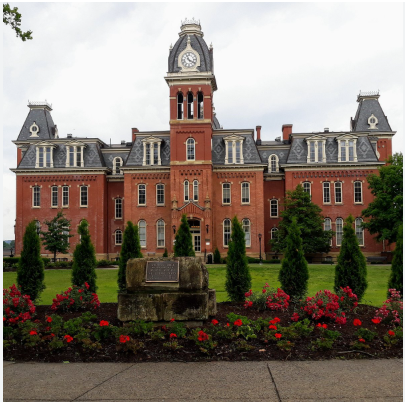
Overview
West Virginia University operates as a comprehensive land-grant university with a mission focused on education, research, and service. The university is classified as an R1 research institution, reflecting its high level of research activity. WVU combines rigorous academics with hands-on learning, giving students opportunities to apply classroom knowledge to real-world challenges. Its scenic Appalachian setting and strong school spirit also contribute to a distinctive college experience.
West Virginia University Academics and Majors
WVU offers a wide range of academic programs designed to prepare students for professional success and lifelong learning. The university emphasizes interdisciplinary study, undergraduate research, and experiential learning opportunities such as internships, co-ops, and study abroad programs.
Undergraduate Majors
West Virginia University offers more than 120 undergraduate majors across multiple colleges and schools. Popular areas of study include:
- Engineering (Mechanical, Civil, Chemical, and Computer Engineering)
- Business Administration and Management
- Health Sciences and Nursing
- Education
- Computer Science and Information Systems
- Agriculture, Natural Resources, and Environmental Sciences
- Media, Communications, and Journalism
These programs are designed to equip students with both theoretical knowledge and practical skills relevant to today’s job market.
Graduate Majors
At the graduate level, WVU provides over 80 master’s, doctoral, and professional degree programs. Graduate students can pursue advanced studies in fields such as:
- Medicine, Dentistry, and Public Health
- Law
- Engineering and Applied Sciences
- Business (MBA and specialized master’s programs)
- Education and Educational Leadership
- Social Sciences and Humanities
Graduate programs at WVU emphasize research, innovation, and professional development, often allowing students to work closely with faculty mentors.
Campus Life at West Virginia University
Student Organizations and Activities
Campus life at WVU is dynamic and engaging, offering students numerous ways to get involved beyond the classroom. The university hosts more than 450 student organizations, including academic clubs, cultural groups, service organizations, leadership groups, and recreational clubs. These organizations allow students to explore interests, develop leadership skills, and build lifelong connections.
Athletics and School Spirit
West Virginia University is well known for its strong athletic culture, especially Mountaineer football. WVU competes in NCAA Division I athletics as a member of the Big 12 Conference. Game days, school traditions, and the Mountaineer mascot play a major role in fostering pride, unity, and school spirit across campus.
Housing and Residential Life
WVU offers a variety of modern residence halls and living-learning communities designed to support student success. On-campus housing provides students with convenient access to classes, dining facilities, academic resources, and social activities, creating a supportive and engaging living environment.
Campus Facilities and Resources
Students at WVU have access to excellent campus facilities, including libraries, fitness and recreation centers, study spaces, and technology-equipped classrooms. These resources support both academic achievement and student well-being.
Life in Morgantown
Morgantown is a lively college town that enhances the WVU experience. The city offers restaurants, entertainment venues, cultural events, and outdoor recreational opportunities such as hiking and biking. Its welcoming atmosphere and close connection to the university create a strong sense of community for students.
West Virginia University Admissions: What It Takes to Get In
West Virginia University follows a holistic admissions process, considering academic achievement along with personal experiences and potential for success.
Undergraduate Admission Requirements
Undergraduate applicants are typically evaluated based on:
- High school GPA
- Completion of college-preparatory coursework
- Standardized test scores (SAT or ACT, if submitted)
- Personal statement or essay (if required)
- Letters of recommendation (optional for many programs)
WVU has a relatively accessible admissions process, making it an attractive option for students seeking a high-quality education with inclusive entry standards.
Graduate Admission Requirements
Graduate admission requirements vary by program but generally include:
- A bachelor’s degree from an accredited institution
- Minimum GPA requirements
- Graduate entrance exam scores (such as GRE, GMAT, or MCAT, depending on the program)
- Letters of recommendation
- Statement of purpose or research interests
- Resume or curriculum vitae
Some programs may also require interviews or prerequisite coursework.
West Virginia University Tuition, Scholarships, and Financial Aid
WVU is committed to making education affordable by offering competitive tuition rates and extensive financial support options.
Tuition Fee (2025–2026)
For the 2025–2026 academic year, estimated tuition costs are:
- In-state undergraduate students: $4,656 per semester.
- Out-of-state undergraduate students: 14,496 per semester.
- Graduate tuition for in-state students is $5,684 per semester and $15,012 for out-of-state students.
Additional costs may include housing, meals, books, and personal expenses.
Scholarships
West Virginia University offers a variety of merit-based and need-based scholarships. These include:
- Academic achievement scholarships for high-performing students
- Departmental and college-specific awards
- Scholarships for first-generation, international, and transfer students
Many scholarships are awarded automatically based on academic credentials, while others require separate applications.
Financial Aid
WVU participates in federal and state financial aid programs, including:
- Federal Pell Grants
- Student loans
- Work-study opportunities
- State-sponsored grants and aid programs
Students are encouraged to complete the Free Application for Federal Student Aid (FAFSA) to determine eligibility.
Why Choose West Virginia University
Students choose WVU for several compelling reasons, including its strong academic programs that emphasize hands-on learning and real-world experience. The university offers affordable tuition compared to many peer institutions, making a high-quality education more accessible. WVU is also known for its welcoming and inclusive campus community, where students feel supported and valued. With high research activity and a strong focus on career preparation, students gain practical skills that help them succeed after graduation. Combined with rich traditions, school spirit, and a vibrant campus life, WVU’s commitment to student success makes it an excellent choice for a wide range of academic and career goals.
Conclusion
West Virginia University stands out as a comprehensive public research institution that balances academic excellence, affordability, and an engaging student experience. With diverse programs, supportive faculty, and a lively campus environment, WVU provides students with the tools and opportunities needed to succeed both during their studies and beyond graduation. For students seeking a well-rounded and impactful university education, West Virginia University is a compelling option. Moreover, WVU’s strong emphasis on research, innovation, and community service ensures that students are not only gaining knowledge but also contributing meaningfully to society. The university’s extensive alumni network and partnerships with industries and organizations provide valuable connections and career opportunities, helping graduates transition confidently into the professional world. This combination of academic rigor, experiential learning, and community engagement makes West Virginia University a place where students can grow intellectually, socially, and professionally.