
Introduction
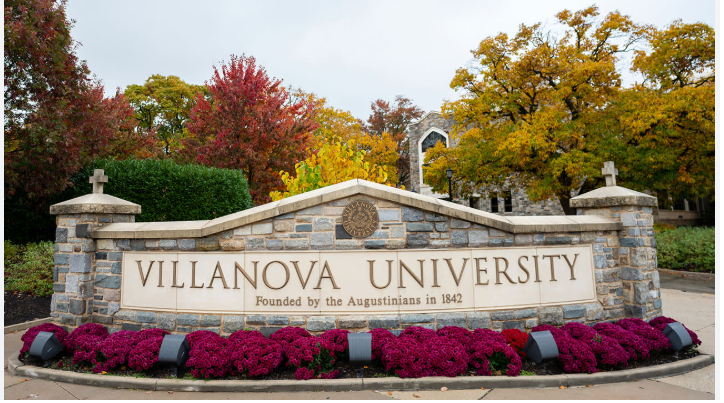
Villanova University, located in Villanova, Pennsylvania, stands as one of the leading private Catholic institutions of higher learning in the United States. Founded in 1842 by the Augustinian Order, Villanova has remained true to its foundational purpose of providing rigorous academics while fostering an inclusive and service-oriented community. The university continues to embody the Augustinian ideals of Veritas (truth), Unitas (unity), and Caritas (love), offering a holistic education designed to nurture the mind, body, and spirit of each student.
Overview
Villanova University’s main campus is nestled within the picturesque suburban setting of Villanova, Pennsylvania, on 260 acres of land. Its proximity to Philadelphia places students near a bustling urban center, providing additional cultural, professional, and social opportunities. The university prides itself on the strength of its community, comprising approximately 11,000 students across undergraduate and graduate programs. While the undergraduate community is larger, with around 7,000 students, the university maintains an inclusive and close-knit environment conducive to student involvement, academic excellence, and personal growth.
Known for its outstanding faculty and commitment to education, Villanova provides a comprehensive academic experience that extends beyond textbooks. It combines classroom learning with practical, hands-on experiences to foster the development of well-rounded individuals who are equipped to tackle the challenges of a rapidly changing world.
Villanova University Academics and Majors
Villanova offers a broad spectrum of academic programs through its nine schools and colleges. These divisions offer undergraduate, graduate, and professional programs that uphold the university’s tradition of academic rigor and practical relevance. Each of these divisions focuses on creating future leaders equipped with the knowledge, skills, and ethical values needed for success across multiple sectors.
- College of Liberal Arts and Sciences (CLAS): The College of Liberal Arts and Sciences remains the core academic unit of Villanova, offering a diverse array of programs across the humanities, social sciences, and natural sciences. CLAS focuses on nurturing intellectual curiosity, stimulating critical thinking, and developing analytical skills. The Psychology program explores human behavior through scientific methods, preparing students for graduate study or careers in social services, research, or clinical settings. Political Science provides students with a deep understanding of global politics, governance, and public policy, with encouragement for internships in political offices and government agencies for real-world experience. The English department focuses on the study of literary texts, creative writing, and critical analysis, preparing students for careers in education, publishing, and communications. The History program emphasizes research, writing, and analytical skills, encouraging students to engage with both local and global histories and socio-political contexts.
- College of Engineering: Villanova’s College of Engineering is recognized for producing skilled engineers who contribute significantly to various industries, such as construction, energy, and technology. The college offers undergraduate and graduate programs that emphasize practical and innovative engineering solutions. Civil and Environmental Engineering focuses on designing infrastructure that prioritizes environmental sustainability, serving both global and local communities with eco-friendly solutions. The Mechanical Engineering program trains students to design systems for industries such as aerospace, automotive, and manufacturing, emphasizing problem-solving and innovation. Electrical Engineering combines theoretical studies with cutting-edge research in electronics, systems, and technological advancements, while Chemical Engineering prepares students to transform raw materials into valuable products using chemical processes, with applications in pharmaceuticals, food production, and more.
- Villanova School of Business (VSB): Ranked among the top business schools in the nation, the Villanova School of Business offers rigorous academic programs that focus on leadership, social responsibility, ethical decision-making, and analytical skills. The Accounting program develops strong technical skills, with preparation for the CPA exam and related certifications. Students in the Management program gain leadership skills essential for managing teams, solving complex business problems, and making strategic decisions. The Marketing program teaches students about consumer behavior, digital marketing strategies, and leveraging data analytics to create business value and impact.
- College of Nursing: Villanova’s College of Nursing offers one of the nation’s top nursing programs, preparing the next generation of healthcare leaders. The nursing programs emphasize clinical competence, leadership skills, and community service. The Bachelor of Science in Nursing (BSN) program provides comprehensive training with coursework in health assessment, pharmacology, and nursing practice. Graduate programs prepare nurses for advanced practice roles, including nurse practitioners and nurse administrators.
- College of Professional Studies: Villanova’s College of Professional Studies offers flexible degree programs designed for adult learners and working professionals. These programs provide part-time study options to allow individuals to further their education while balancing professional responsibilities.
Campus Life at Villanova University
Villanova offers an environment where students are encouraged to become active participants in both academic and extracurricular pursuits. With a commitment to fostering personal growth through intellectual and social experiences, the campus life is vibrant and inclusive.
Student Organizations
There are over 250 student organizations at Villanova, giving students an array of opportunities to pursue their interests. From leadership programs to service-based groups, students can engage with their passions and develop essential skills outside the classroom. Among them are academic clubs, Greek life, international student groups, arts organizations, and recreational clubs.
Athletics
Villanova’s athletic program is a defining part of campus culture, with teams competing in NCAA Division I as part of the Big East Conference. Known for their stellar performance in men’s basketball, Villanova has won multiple national championships. In addition, other competitive sports include soccer, cross-country, track and field, and various intramural leagues.
Arts and Culture
The Villanova Theatre hosts various plays, musicals, and dramatic performances, while art galleries and musical venues provide a platform for the creative community on campus.
Admissions at Villanova University
Admission to Villanova is highly competitive, with the university considering a combination of academic performance, extracurricular involvement, personal character, and leadership potential.
Undergraduate Admission
- Academic Excellence: A strong academic record, including consistent performance in challenging courses such as AP, IB, or honors-level classes, is a fundamental requirement for admission. Successful applicants typically demonstrate a commitment to academic rigor and excellence throughout their high school years.
- Standardized Test Scores: While SAT or ACT scores are an important component of the application, they are considered in conjunction with other factors, including GPA, extracurricular activities, and personal essays. Applicants have the option to apply under the test-optional policy, should they choose not to submit standardized test scores.
- Extracurricular Involvement: Villanova University places high value on extracurricular engagement, including active participation in clubs, athletics, and community service. These activities reflect an applicant’s leadership capabilities, initiative, and potential to contribute meaningfully to the university community.
- Personal Essays: The personal essays play a crucial role in offering the admissions committee insight into an applicant’s character, aspirations, and personal motivations. These essays allow the committee to better understand the applicant’s goals and what drives their academic and personal journey.
- Letters of Recommendation: Strong recommendations from educators or mentors who have closely observed the applicant’s academic and personal development are a critical component of the admissions process.
Graduate Admission
- Some programs may require standardized test scores (e.g., GRE, GMAT, LSAT), while others may not
- Departments evaluate academic records, professional experience, recommendations, and personal factors
Tuition, Scholarships, and Financial Aid at Villanova University
Tuition Fee:
Villanova University offers competitive tuition rates for both undergraduate and graduate programs.
- Undergraduate Tuition: $66,838 per year, excluding room, board, and additional fees.
- Graduate Tuition: Tuition rates vary depending on the specific program, generally falling between $1,600 and $2,000 per credit hour.
In addition to tuition, students should budget for room and board, with estimated costs ranging from $15,000 to $16,500 per year. Books and supplies typically cost around $1,000 annually, while other fees for student services, activities, and healthcare can also add to overall expenses.
Scholarship and Financial Aid:
- Merit-Based Scholarships: Villanova University offers several prestigious merit-based scholarships, recognizing students for their academic excellence, leadership abilities, and overall achievements. One of the highest honors is the Villanova Presidential Scholarship, awarded to students with exceptional academic records. Other merit scholarships are also available through individual academic departments, targeting students who demonstrate a strong commitment to specific areas of study. These departmental scholarships may also have additional criteria based on departmental needs and priorities.
- Need-Based Financial Aid: Villanova is committed to ensuring that students with demonstrated financial need are supported throughout their academic journey. The university provides a comprehensive range of need-based financial assistance through federal and state grants, which do not need to be repaid. These grants are designed to supplement the financial resources available to students based on family income and other financial factors.
- Federal Student Loans: Villanova University participates in federal student loan programs, offering both Direct Subsidized Loans and Direct Unsubsidized Loans, which students can apply for based on their financial need. These loans allow students to defer payments until after graduation, making them an essential resource for many.
- Work-Study Opportunities: To help students manage educational costs, Villanova also provides federal work-study opportunities, allowing students to work part-time on campus. This provides a valuable opportunity not only to earn money for education-related expenses but also to gain work experience.
- Commitment to Meeting Financial Need: Villanova is dedicated to meeting the demonstrated financial need of every admitted student. The university offers flexible payment plans to ease the burden of tuition and fees, enabling students to spread out payments throughout the year. Through a combination of scholarships, loans, grants, work-study, and payment options, Villanova works to ensure that financial challenges do not prevent students from attending.
Conclusion
Villanova University is a distinguished institution that blends rigorous academics with the foundational Augustinian values of truth, unity, and love. Its wide range of programs across various colleges and schools equips students with the necessary skills to succeed in their careers and contribute to society. The university fosters intellectual growth while ensuring the practical application of knowledge.
Villanova provides a dynamic campus experience, with ample opportunities for students to engage in leadership, athletics, and creative arts. It also offers strong financial support through merit-based scholarships, need-based aid, and work-study options, ensuring accessibility for students from diverse backgrounds.
Contact information and location:
For more information about Villanova University:
Location: 800 Lancaster Ave, Villanova, PA 19085, United States
Contact: +1 610-519-4500