
The University of Wisconsin–Milwaukee (UW–UW-Milwaukee) is a leading public research university located in Milwaukee, Wisconsin. Established in 1956, UW–UW-Milwaukee has grown into one of the Midwest’s most prominent urban universities, recognized for its strong research output, applied learning approach, and commitment to serving diverse student populations. As part of the University of Wisconsin System, UW–UW-Milwaukee combines academic rigor with real-world relevance, offering students access to research, internships, and professional networks within Wisconsin’s largest metropolitan area.
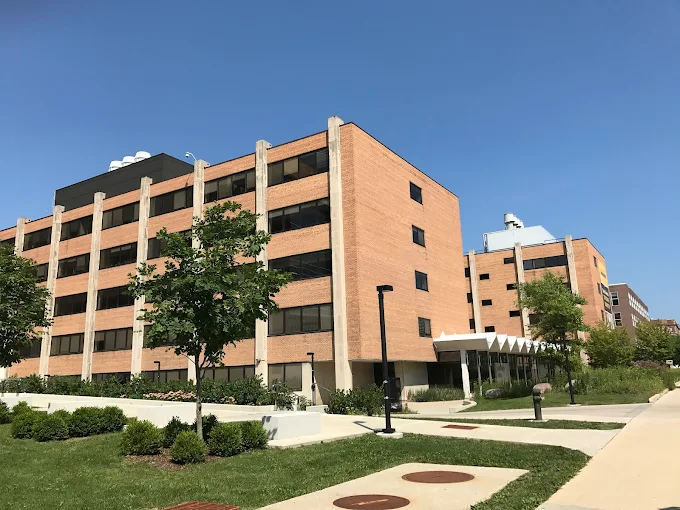
Overview
UW–Milwaukee is classified as a Research 1 (R1) institution, placing it among universities with the highest level of research activity in the United States. The campus is located near Lake Michigan, providing a traditional academic environment while remaining closely connected to Milwaukee’s business, healthcare, and industrial sectors.
The university serves undergraduate, graduate, and doctoral students across a wide range of disciplines. Its mission emphasizes access, innovation, and community engagement, making it a key contributor to regional workforce development and applied research.
Academic Programs
Liberal Arts and Sciences Education
UW–Milwaukee offers a broad selection of undergraduate programs grounded in the liberal arts and sciences. Students pursue majors in humanities, social sciences, natural sciences, mathematics, and interdisciplinary studies. Programs emphasize analytical thinking, communication skills, and academic depth.
Professional and Applied Programs
The university is particularly well known for programs in engineering, business, architecture and urban planning, nursing, public health, information science, and education. Many programs integrate internships, cooperative education, clinical placements, or project-based coursework, allowing students to gain hands-on experience alongside academic study.
Research and Experiential Learning
Research is a central component of the UW–UW-Milwaukee academic experience. Students participate in faculty-mentored research, applied industry projects, and community-based initiatives. The university is also home to the School of Freshwater Sciences, the only graduate school of its kind in the United States, highlighting UW–UW-Milwaukee’s leadership in environmental and sustainability research.
Campus Life
Urban Campus Experience
UW–UW-Milwaukee offers a dynamic campus life shaped by its urban setting. On-campus housing includes residence halls and apartment-style living options that support student engagement and academic focus.
Student Support and Engagement
The university provides comprehensive student services, including academic advising, tutoring, career development, wellness programs, and counseling services. Student organizations, cultural groups, leadership programs, and NCAA Division I athletics contribute to an inclusive and active campus environment.
Location and Community Connections
Milwaukee serves as an extension of the classroom. Students benefit from access to internships, healthcare systems, corporate headquarters, nonprofit organizations, and startups. The city’s cultural institutions, festivals, and professional opportunities enhance both academic and personal development.
Tuition and Fees (2025–2026 Estimates)
For the 2025–2026 academic year, estimated undergraduate tuition and mandatory fees are approximately:
- Wisconsin Residents: around $10,800–$11,200 per year
- Non-Residents: around $24,000–$25,500 per year
The estimated total cost of attendance, including tuition, housing, meals, books, transportation, and personal expenses, is approximately $22,000–$24,000 per year for residents and $35,000–$37,000 per year for non-residents, depending on housing choices and individual expenses. Graduate tuition varies by program, degree level, and credit load.
Financial Aid and Scholarships
UW–Milwaukee offers a wide range of financial aid options, and many students receive assistance through merit-based scholarships, need-based grants, federal financial aid, and work-study opportunities. Wisconsin residents may also qualify for state-supported grant programs. The university’s focus on affordability and access makes it an attractive option for students seeking a research-driven education at a public university cost.
Why Choose the University of Wisconsin–Milwaukee
UW–Milwaukee appeals to students seeking strong academics within a real-world, urban environment. Its strengths include research opportunities at both undergraduate and graduate levels, applied learning embedded in academic programs, and close connections to employers and community partners.
Graduates are well prepared for professional careers, graduate study, and leadership roles across a wide range of industries.
Conclusion
The University of Wisconsin–Milwaukee offers a balanced educational experience that combines academic rigor, research engagement, and practical learning. As a leading urban research university, it provides students with access to quality education, professional opportunities, and a diverse campus community. For students seeking affordability, applied research, and strong career pathways, UW–Milwaukee remains a compelling public university choice in Wisconsin.