
The University of Tulsa (TU) is a private, nonprofit research university located in Tulsa, Oklahoma. Founded in 1894, TU is known for its strong academic rigor, small class sizes, and emphasis on research, leadership, and professional preparation. Unlike Oklahoma’s large public universities, TU offers a more personalized educational experience, making it a popular choice for students seeking close faculty interaction and academically focused campus life.
This article outlines undergraduate tuition and fees for the 2025–2026 academic year, along with key cost considerations for prospective students.
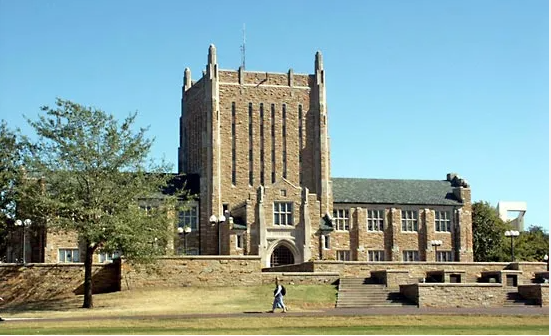
Institutional Overview and Academic Focus
The University of Tulsa operates as a private research institution with nationally recognized programs in engineering, business, computer science, cybersecurity, petroleum engineering, and the liberal arts. The university places a strong emphasis on undergraduate research, experiential learning, and career readiness.
With a relatively small undergraduate population, TU maintains low student-to-faculty ratios, allowing for individualized instruction, mentoring, and early access to research opportunities, features that distinguish it from larger public institutions in the region.
Undergraduate Tuition & Fees (Estimated 2025–2026)
As a private university, TU charges a flat annual tuition rate rather than per-credit pricing for standard full-time enrollment.
Estimated Annual Costs
- Tuition: ~$48,900 per year
- Mandatory Fees: Included or assessed at a modest flat rate depending on enrollment
- Tuition & Required Fees (Estimated Total): ~$49,000+ per year
These figures apply equally to residents and non-residents, as private institutions do not differentiate tuition based on state residency.
Additional Costs of Attendance
Beyond tuition and required fees, students should budget for standard living and academic expenses.
Estimated Additional Annual Costs
- Housing & Meals: ~$13,000–14,500
- Books & Supplies: ~$1,000
- Personal & Miscellaneous Expenses: Variable
Estimated Total Cost of Attendance
- Total: ~$63,000–65,000 per year, depending on housing choices and personal spending
Academic Environment and Student Experience
TU emphasizes academic intensity within a supportive environment. Undergraduate students frequently engage in research, internships, and project-based learning, often alongside faculty mentors. The university is particularly well known for:
- Engineering and applied sciences
- Cybersecurity and computer science
- Business analytics and finance
- Energy and petroleum-related disciplines
- Law and pre-professional pathways
Campus life is residential and academically focused, with student organizations, leadership programs, and Division I athletics contributing to a balanced student experience.
Financial Aid and Scholarships
While the sticker price at TU is higher than public universities, most undergraduate students receive some form of financial assistance. Aid packages may include:
- Merit-based scholarships
- Need-based institutional grants
- Federal and private financial aid
- Departmental awards
These awards often significantly reduce the net cost of attendance, making TU more competitive financially than it may initially appear.
Why Choose the University of Tulsa
Students often choose the University of Tulsa for its academic depth and individualized learning environment. TU is particularly well-suited for students who:
- Prefer small class sizes and close faculty mentorship
- Want early access to research and internships
- Are pursuing engineering, cybersecurity, business, or pre-professional tracks
- Value a private-university experience with strong career outcomes
- Seek a rigorous academic culture without the scale of a large public campus
Graduates benefit from strong placement rates, professional school admissions, and a tight-knit alumni network that actively supports career development.
Conclusion
For the 2025–2026 academic year, the University of Tulsa’s undergraduate tuition and required fees are estimated at around $49,000 per year, with total costs rising to approximately $63,000–65,000 once housing, meals, and books are included. While the cost is higher than Oklahoma’s public universities, TU delivers a private, research-driven education marked by personalized instruction and strong professional outcomes. Prospective students should review official financial aid offers carefully, as scholarships and grants often play a decisive role in making the University of Tulsa an accessible and strategically valuable choice.