
The University of Maine (Orono) is a public research university located in Orono, Maine, United States. Founded in 1865, it is the flagship campus of the University of Maine System and a Carnegie-classified R1 research institution. Known for its strengths in engineering, environmental science, forestry, marine studies, and innovation-driven research, UMaine offers a high-quality education with strong value, especially for in-state and regional students.
Overview
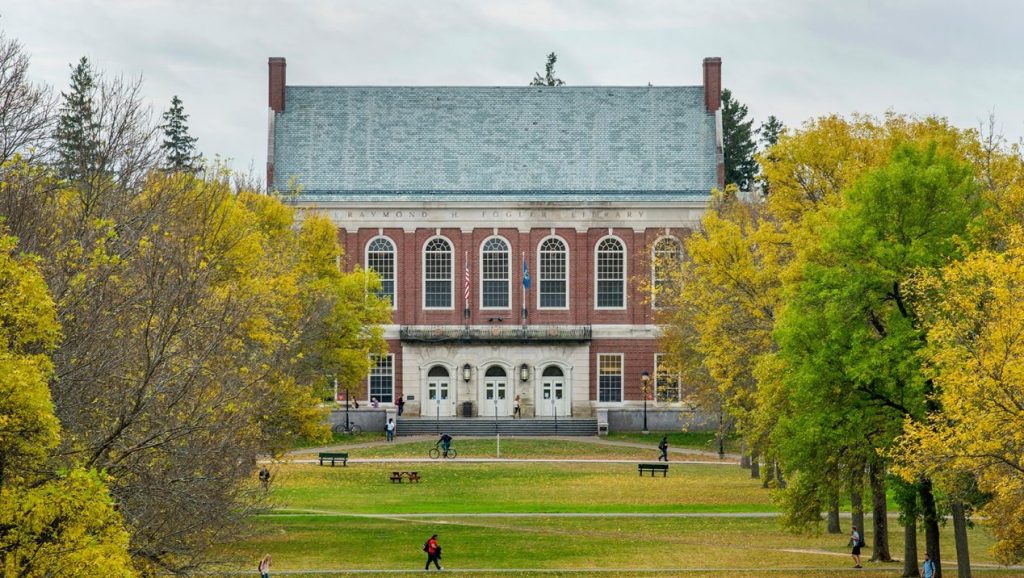
Set along the Stillwater River, the University of Maine’s Orono campus spans more than 600 acres and blends a classic college-town feel with cutting-edge research facilities. The university emphasizes hands-on learning, faculty mentorship, and real-world impact through research, internships, and industry partnerships. Its mascot is the Black Bear, and the campus culture reflects resilience, community, and academic ambition.
Academics and Programs
The University of Maine offers a broad range of undergraduate, graduate, and doctoral programs across multiple colleges and schools. Academic areas include:
Arts & Sciences (Biology, Chemistry, Psychology, Communication, Mathematics)
Engineering & Computing (Civil, Mechanical, Electrical Engineering, Computer Science)
Business & Economics
Education & Human Development
Natural Resources, Forestry, and Agriculture
Earth, Climate, and Environmental Sciences
With its strong research focus, students at UMaine often participate in funded projects, labs, and experiential learning opportunities starting at the undergraduate level.
Campus Life at the University of Maine
Campus life at UMaine combines academic focus with an active student community. Students benefit from a traditional residential experience, extensive outdoor recreation, and a supportive campus environment.
Clubs, Activities, and Organizations
Students can engage in more than 200 student organizations, including:
Academic and professional clubs
Cultural and international student groups
Community service and leadership organizations
Music, arts, and student media
Student government and advocacy groups
Sports and Recreation
The University of Maine competes in NCAA Division I athletics as the Black Bears, best known nationally for ice hockey. Students can also participate in club and intramural sports such as:
- Basketball
- Soccer
- Volleyball
- Ice hockey
- Outdoor adventure programs
Maine’s natural landscape makes hiking, skiing, and kayaking popular student activities.
Tuition and Fees (2025–2026)
Undergraduate Costs (Estimated)
Tuition at the University of Maine varies significantly based on residency status and is charged per credit hour.
Per-Credit Undergraduate Tuition
Maine or Canadian Resident: ~$424 per credit hour
Non-Resident (Out-of-State): ~$1,229 per credit hour
Mandatory Fees
Mandatory fees average around ~$1,040 annually, with specific fees varying by student type, particularly for international and Canadian students.
Total Estimated Annual Expenses (All-Inclusive)
International Undergraduate: ~$57,424 per year
Canadian Undergraduate: ~$33,274 per year
These estimates include tuition, mandatory fees, housing, meal plans, books and supplies, and health insurance. Actual costs vary based on course load, housing choice, and personal expenses.
Graduate Tuition and Costs (2025–2026 Estimates)
Graduate tuition is also charged per credit hour and differs by residency.
- Per-Credit Graduate Tuition
- Maine or Canadian Resident: ~$573 per credit hour
- Non-Resident: ~$1,747 per credit hour
- Total Estimated Annual Expenses
- International Graduate Student: ~$42,619 per year
- Canadian Graduate Student: ~$25,009 per year
- Cost Variability
- Graduate costs vary by academic program
- Enrollment intensity (full-time vs part-time) affects total tuition
- Housing choices and living arrangements significantly influence overall expenses
Key Cost Considerations
Residency status plays a major role in affordability, with Maine and Canadian residents benefiting from significantly lower tuition rates. Students should also budget carefully for non-tuition expenses such as housing, meals, books, health insurance, and personal costs, which add substantially to the total cost of attendance.
Students from other New England states may qualify for reduced tuition through the New England Board of Higher Education Tuition Break (NEBHE) program, making UMaine a cost-effective option for regional students in approved majors.
Financial Aid and Affordability
The University of Maine offers a wide range of financial aid options, including merit-based scholarships, need-based grants, federal aid, work-study opportunities, and flexible payment plans. A large majority of students receive some form of financial assistance, helping reduce the out-of-pocket cost of attendance.
Students are encouraged to submit the FAFSA early and explore institutional scholarships through UMaine’s Student Financial Services office.
Why Choose the University of Maine (Orono)
The University of Maine is an excellent choice for students seeking a strong public research university with affordable tuition, especially for in-state, Canadian, and New England students. With robust academic programs, Division I athletics, and access to hands-on research, UMaine delivers strong return on investment while maintaining a supportive campus environment.
Conclusion
The University of Maine (Orono) offers a balanced combination of academic rigor, research opportunities, and affordability for the 2025–2026 academic year. While costs vary significantly by residency and program level, generous financial aid options and regional tuition discounts help keep education accessible. For students seeking a comprehensive university experience in Maine with strong career and research outcomes, UMaine remains a compelling and cost-effective choice.