
Spring Arbor University (SAU) is a private Christian liberal arts university located in Spring Arbor, Michigan. Since its establishment in 1873, SAU has maintained a commitment to providing a Christ-centered education that fosters personal, academic, and spiritual growth. The university offers a wide range of undergraduate and graduate programs designed to equip students with the knowledge and skills needed to positively impact their communities and professional fields. With a focus on integrating faith and learning, SAU prepares its students for lives of purpose and leadership within various sectors.
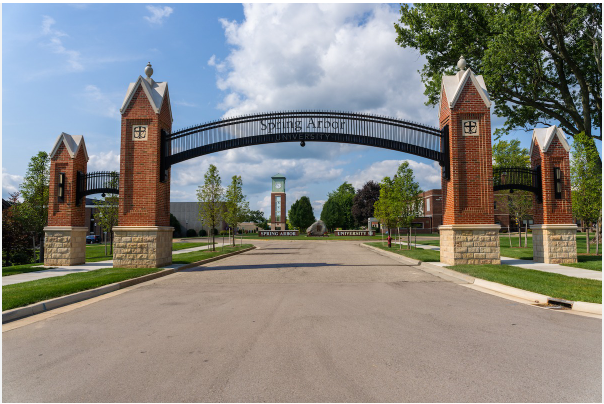
Overview
SAU is located in the town of Spring Arbor, Michigan, offering students a serene and focused environment for their studies. Situated within proximity to nearby cities such as Jackson and Kalamazoo, the location provides students with access to cultural, recreational, and professional opportunities. This environment, combined with the university’s commitment to academic and spiritual growth, makes SAU an ideal place for students to thrive, both personally and professionally. The university boasts a low student-to-faculty ratio, allowing students to enjoy a personalized education with meaningful interactions with professors. The faculty at SAU are deeply committed to both academic rigor and the spiritual development of their students, ensuring a well-rounded academic experience. The small campus community encourages collaboration, and students receive individual attention to support their growth.
Spring Arbor University Academics and Majors
Undergraduate Programs
- Business Administration: Prepares students to take leadership positions in business sectors such as marketing, finance, and management. The curriculum focuses on key business skills, equipping students with analytical tools to succeed in any corporate environment.
- Nursing (BSN): Equips students with comprehensive knowledge and clinical expertise to deliver compassionate care in various healthcare settings. The program includes hands-on experiences, preparing future nurses for direct patient care and healthcare administration.
- Psychology: Provides a deep understanding of human behavior, mental health, and psychological theories, essential for careers in counseling, therapy, and human services. Students learn to address psychological issues across diverse populations and settings.
- Education: Trains future educators to effectively teach at the elementary and secondary levels while emphasizing both subject mastery and teaching methodologies. The program encourages student engagement with real-world classroom experiences and innovative teaching strategies.
- Social Work: Focuses on understanding and advocating for vulnerable populations, preparing students to make a positive impact on communities and individuals. The program emphasizes direct practice, social justice, and leadership in the human services field.
- Biology: Offers a broad education in biological sciences that prepares students for careers in healthcare, research, and environmental science. The program combines theoretical studies with laboratory work to help students develop analytical and problem-solving skills.
- Computer Science: Provides hands-on training in programming, systems analysis, and software development to meet the growing demands of the tech industry. Students acquire the technical and logical skills needed to design, develop, and implement technological solutions.
- Communication: Focuses on effective media strategies and communication principles, preparing students to work in areas like public relations, corporate communication, and journalism. The program emphasizes writing, presentation, and digital media in a variety of communication settings.
Graduate Programs
- Master of Business Administration (MBA): Enhances professional expertise by offering advanced knowledge in management, finance, and business strategies. The MBA program prepares students for leadership roles in corporate, nonprofit, and governmental sectors with an emphasis on ethical decision-making and innovation.
- Master of Arts in Counseling (MAC): Prepares students to become effective counselors through extensive training in counseling practices, therapeutic techniques, and mental health diagnostics. Students are equipped with the ethical framework and practical experience to work in diverse clinical settings.
- Master of Science in Nursing (MSN): Focuses on developing advanced clinical and leadership skills for nurses who aspire to take on roles such as nurse practitioners or nurse educators. The program blends advanced patient care techniques with leadership principles to shape the future of nursing.
- Master of Social Work (MSW): Provides a deep understanding of human behavior and social policies, preparing students for leadership roles in social services. The program emphasizes both direct practice skills and community advocacy to solve complex social issues.
- Master of Education (M.Ed.): Designed for educators aiming to further develop their teaching skills, leadership abilities, and knowledge of current educational best practices. The program focuses on fostering leadership in schools and creating innovative educational environments for students.
- Master of Arts in Strategic Communication: Teaches advanced communication strategies that can be applied across organizational structures and industries. Students gain expertise in managing public relations, handling media crises, and crafting compelling brand messages across traditional and digital platforms.
- Doctor of Nursing Practice (DNP): The terminal degree in nursing, aimed at nurses who wish to attain the highest level of clinical practice. The DNP program includes an advanced focus on leadership in healthcare, innovative practices, and complex decision-making to transform healthcare delivery.
Campus Life at Spring Arbor University
SAU boasts a dynamic campus life that fosters personal growth, community engagement, and spiritual development. The university offers a variety of extracurricular activities, including:
Athletics
At Spring Arbor University, athletics play an important role in campus life, fostering a strong sense of community and school pride. The university’s sports teams, known as the Cougars, compete in the Crossroads League within the NAIA. Popular sports include basketball, soccer, and track and field, among others such as cross-country and volleyball. These athletic programs give students the opportunity to engage in physical activity, develop skills, and work as a team, promoting both personal growth and a healthy lifestyle.
Student Organizations
SAU offers a wide variety of student organizations, catering to a range of interests outside of academics. These include academic societies for students pursuing specific fields, cultural groups that celebrate diversity, and service organizations that focus on community service and outreach. Joining these organizations gives students the chance to take on leadership roles, connect with others who share similar interests, and gain valuable experiences that enhance their college journey.
Spiritual Life
Spiritual life is central to the mission of Spring Arbor University. The campus offers numerous opportunities for students to grow in their faith, including chapel services, where students come together for worship and reflection. Mission trips provide experiences for students to serve communities both locally and globally, sharing their faith and making a difference. Several faith-based groups on campus also offer support for Bible study, prayer, and spiritual development, helping students build meaningful connections and deepen their Christian faith during their time at SAU.
Arts and Culture
Spring Arbor University offers a range of opportunities for students to express their creativity. Students can participate in theater productions, where they can showcase their acting skills or assist with stage design and production. The university also supports various musical ensembles, such as choirs and bands, where students can perform and share their musical talents. Additionally, art exhibitions allow students to showcase their visual artwork, contributing to the university’s rich cultural environment and fostering creativity across the campus. These opportunities provide students a platform to grow artistically and engage with their peers through the arts.
Spring Arbor University Admissions: What It Takes to Get In
SAU seeks students who are academically prepared and align with the university’s mission and values.
Undergraduate Admission
The undergraduate admission process typically requires:
- Application: Submission of an online application form.
- Academic Records: Official high school transcripts demonstrating a solid academic performance.
- Standardized Test Scores: SAT or ACT scores are considered if submitted; however, SAU has adopted a test-optional policy for certain applicants.
- Personal Statement: An essay reflecting the applicant’s character, goals, and reasons for choosing SAU.
- Recommendations: Letters of reference from teachers or community leaders may be considered but are not required.
Graduate Admission
For graduate programs, additional requirements include:
- Bachelor’s Degree: A completed undergraduate degree from a regionally accredited institution.
- GPA Requirements: A minimum GPA of 3.0 for the last two years of undergraduate study; some programs may require a higher GPA.
- Professional Experience: Relevant work experience may be required for certain programs.
- Program-Specific Requirements: Some programs may have additional prerequisites or require standardized test scores.
Spring Arbor University Tuition, Scholarships, and Financial Aid
Spring Arbor University ensure that higher education is accessible by maintaining transparent tuition rates. Additionally, the university provides various financial aid options to help support students in managing their educational expenses.
Tuition Cost
- Undergraduate Tuition: The undergraduate tuition at Spring Arbor University costs $35,530 per year. On top of that, students must pay for room and board, which is $11,960 each year.
- Graduate Tuition: Graduate tuition at Spring Arbor University varies by program, with each program having its own set tuition rates. Additional fees, such as technology fees and other course-related expenses, may apply depending on the specific graduate program. Students should consult the university for further details regarding program-specific costs.
Scholarships
Spring Arbor University offers a wide range of scholarships to assist students in financing their education. These include:
- Academic Scholarships: These scholarships are awarded based on the applicant’s high school GPA and standardized test scores, providing financial support to students who have demonstrated academic excellence. They are renewable for up to four years, offering continued assistance as students maintain their academic performance throughout their time at Spring Arbor University.
- Talent Scholarships: Spring Arbor University offers scholarships to students who exhibit outstanding talent in athletics, music, or art. To qualify, students must submit a portfolio or participate in an audition specific to their area of expertise, showcasing their skills and abilities in their chosen field.
- Christian Ministry Scholarships: These scholarships are specifically designed to assist students who are pursuing degrees related to church leadership, theology, or ministry. By supporting those who intend to enter faith-based careers, these scholarships reflect the university’s commitment to nurturing the next generation of Christian leaders in church and community environments.
- Program-Specific Scholarships: Many graduate programs at SAU offer additional scholarships. These scholarships are tailored to help students in specific fields of study, further easing financial costs.
Financial Aid
Spring Arbor University also offers a variety of financial aid options, including:
- Need-Based Aid: SAU uses the FAFSA (Free Application for Federal Student Aid) to determine a student’s financial need. This process helps assess eligibility for federal financial assistance programs, such as Pell Grants, SEOG Grants, and state-specific programs like the Michigan Competitive Scholarship, ensuring students receive the support they need.
- Work-Study Opportunities: Eligible students can work on-campus or in approved community jobs to help cover their education costs. These positions provide an opportunity to earn money while gaining valuable experience and contributing to campus life.
- Graduate Assistantships: Graduate students can work as assistants in their academic programs, which helps to reduce tuition expenses. This opportunity allows students to support their studies while gaining professional experience in their field.
- Employer Tuition Reimbursement Plans: Some students may qualify for employer tuition assistance programs. These programs allow students to receive financial support from their employers to pay for tuition, helping make education more affordable.
- Flexible Payment Plans: To reduce financial strain, SAU provides flexible payment plans that allow students to divide their tuition costs into manageable installments throughout the academic year.
Conclusion
Spring Arbor University offers a Christ-centered, holistic education aimed at nurturing both academic and spiritual growth. Its diverse programs, supportive community, and numerous opportunities for personal development ensure that students graduate with the skills and values needed to make a positive impact. Financial aid options and scholarships further demonstrate the university’s commitment to making higher education accessible for all. By choosing Spring Arbor University, students embark on a transformative journey one where faith, knowledge, and leadership skills merge, guiding them toward a fulfilling and impactful future.