
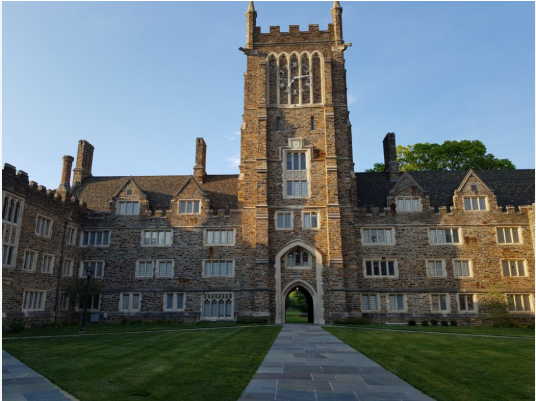
Duke University, located in Durham, North Carolina, is a prestigious private research institution founded in 1838. It is recognized globally for academic excellence, cutting-edge research, and strong leadership development. Duke provides students with a rigorous educational environment that encourages intellectual growth, innovation, and service to society. The university emphasizes interdisciplinary learning, critical thinking, and global engagement, preparing students for influential careers across diverse fields. Duke offers a supportive and dynamic campus environment with accessible faculty, small discussion-based classes, and extensive research opportunities. Students can pursue studies in arts and sciences, engineering, business, law, medicine, and public policy. Duke University also promotes a vibrant campus life that complements its academic mission. Students can engage in hundreds of student organizations, athletic programs, cultural events, and community service initiatives. The campus features modern residence halls, world-class libraries, advanced laboratories, dining facilities, and recreational centers that enhance student well-being and foster a strong sense of community.
Overview
Duke University serves over 17,000 undergraduate and graduate students and is known for its elite academic standards and research output. The university promotes an inclusive and collaborative learning environment where students work closely with faculty mentors. Small class sizes allow for personalized instruction and academic guidance. Duke places strong emphasis on leadership, innovation, and social impact. Its location in the Research Triangle provides access to major industries, healthcare systems, and research institutions. Overall, Duke balances academic rigor with opportunities for personal growth, ethical leadership, and global engagement. With a strong focus on experiential learning, Duke encourages students to participate in internships, undergraduate research, global study programs, and service-learning projects, helping them gain practical experience and international perspectives.
Duke University Academics and Majors
Undergraduate Majors
- Biology
- Computer Science
- Economics
- Political Science
- Psychology
- Public Policy
- Mechanical Engineering
- Electrical and Computer Engineering
- Environmental Science
- Biomedical Engineering
- Sociology
- Mathematics
- English
- History
Graduate and Professional Programs
- MBA (Fuqua School of Business)
- Master of Engineering (MEng)
- Master of Public Policy (MPP)
- Master of Science in Data Science
- Master of Environmental Management (MEM)
- Doctor of Law (JD)
- Doctor of Medicine (MD)
- Doctor of Philosophy (PhD) across multiple disciplines
Campus Life at Duke University
Student Organizations
Duke University offers over 400 student clubs and organizations that focus on academics, culture, service, and leadership. These groups provide students with opportunities to connect, develop skills, and pursue their passions outside the classroom.
Athletics
The Blue Devils compete in varsity sports across multiple disciplines, while intramural programs give all students a chance to stay active and engaged. Athletics at Duke fosters teamwork, school spirit, and personal growth.
Arts & Culture
Students can enjoy theater productions, concerts, museums, and cultural festivals throughout the year. These programs encourage creativity, cultural appreciation, and community involvement.
Community Engagement
Duke emphasizes service and civic responsibility through programs and partnerships in Durham and surrounding communities. Students gain hands-on experience while making a positive impact.
Housing & Dining
Residential colleges and modern dormitories provide a supportive living environment, while diverse dining options and study lounges meet students’ academic and social needs. Housing at Duke promotes a strong sense of community.
Recreation & Wellness
Fitness centers, wellness programs, and outdoor recreation facilities help students maintain physical and mental well-being. Duke encourages healthy lifestyles and balanced student life.
Campus Traditions
Major events and long-standing traditions create a strong campus identity and school spirit. These experiences connect students to Duke’s history and foster a sense of belonging.
Duke University Admissions: What It Takes to Get In
Undergraduate Admission Requirements
- Completed application form
- High school diploma or equivalent
- Official transcripts
- SAT or ACT scores (optional)
- Letters of recommendation
- Personal statement or essays
- Extracurricular activities and leadership record
Graduate Admission Requirements
- Bachelor’s degree from an accredited institution
- Official transcripts
- GRE or GMAT scores (program-dependent)
- Letters of recommendation
- Statement of purpose
- Resume or CV
Duke University Tuition, Scholarships, and Financial Aid
Undergraduate Costs (2025–2026 Estimate)
- Total Estimated Cost of Attendance: ~$92,042 – $98,341
- Tuition: ~$70,265
- Room & Board: ~$10,910
- Fees: ~$2,907
Graduate and Professional Costs (Examples for 2025–2026)
- Master’s Programs: Total costs can reach ~$98,000 per year, with tuition around $33,862 per semester
- Law School (JD): Tuition ~$80,100 per year, plus fees and health insurance
Engineering (MEM/MEng): On-campus tuition ~$69,600 per year
Key Cost Considerations
Net Price: The average cost after financial aid is approximately $26,000 – $30,000 per year
Living Expenses: Books, personal expenses, transportation, and health insurance are additional
Program Variations: Costs differ by academic school and housing choice (on-campus vs. off-campus)
Scholarships
Duke University offers merit-based scholarships, need-based grants, and departmental awards. Financial aid is designed to make Duke accessible to students from diverse economic backgrounds. Scholarships are awarded based on academic achievement, leadership, and personal merit.
Financial Aid
Students may apply for federal and institutional financial aid, including grants, work-study programs, and loans. Duke’s financial aid office provides counseling and personalized funding plans to support student success.
Why Choose Duke University
Duke University combines world-class academics with a strong support system for students. Its faculty are leaders in their fields who provide mentorship and research guidance. Students benefit from extensive experiential learning through internships, global programs, and community service. Campus life is vibrant, offering hundreds of clubs, athletics, and cultural activities. Duke emphasizes leadership, innovation, and real-world problem-solving. Graduates are well-prepared for professional careers or advanced study. The university’s commitment to excellence and student development makes it an outstanding choice for higher education.
Conclusion
Duke University is a leading institution in the United States, dedicated to academic excellence and student achievement. Its diverse academic offerings, distinguished faculty, and small class sizes create a stimulating learning environment. Students gain access to research opportunities, internships, and international programs that prepare them for future success. Campus life is active and enriching, with athletics, arts, and service initiatives. Duke emphasizes leadership, critical thinking, and practical skills to prepare students for the modern world. Overall, Duke University equips students with the knowledge, experience, and confidence to thrive professionally and personally.