
Introduction
Belmont University, located in the vibrant city of Nashville, Tennessee, is a private Christian institution with a long-standing reputation for academic excellence, innovation, and community engagement. Since its founding in 1890, Belmont has grown into one of the nation’s most respected universities, offering a diverse range of undergraduate and graduate programs. Known for its personalized education and strong focus on student success, Belmont provides an inspiring environment where students can explore their passions, develop their skills, and prepare for fulfilling careers.
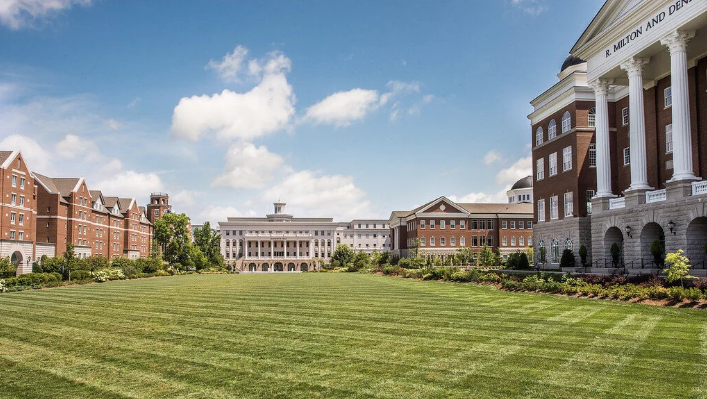
University Overview
Belmont University is committed to delivering a holistic, student-centered education that nurtures intellectual growth, personal development, and career readiness. With a low student-to-faculty ratio, the university emphasizes close mentorship and collaboration between students and professors. Belmont’s campus, nestled in the heart of Nashville—a hub of music, arts, and culture—provides students with unparalleled opportunities for professional internships, networking, and cultural enrichment.
Belmont boasts a diverse student body of over 8,000 students representing various states and countries. The university’s mission is rooted in Christian values, fostering a supportive and inclusive community that empowers students to lead lives of purpose and integrity.
Academic Programs and Majors
Belmont University offers a robust selection of undergraduate and graduate programs designed to prepare students for successful careers in an increasingly complex world. Below is a detailed overview of the academic offerings:
Undergraduate Majors
- Accounting: This program provides students with a thorough understanding of financial reporting, auditing, taxation, and managerial accounting. It prepares them for roles in public accounting, corporate finance, or governmental positions, offering skills essential for managing and interpreting financial data across industries.
- Biology: Students in this major dive deeply into life sciences, covering areas such as cell biology, genetics, ecology, and physiology. It’s ideal for those pursuing research roles, working in healthcare, or addressing environmental issues, such as conservation and sustainable practices.
- Business Administration: This program develops leadership, communication, and strategic decision-making skills. Students gain the tools necessary to manage business operations, lead teams, and implement effective strategies across a variety of sectors, preparing them for managerial roles in a competitive global marketplace.
- Computer Science: Students learn advanced programming, data analysis, artificial intelligence, and cybersecurity. This degree prepares individuals to tackle technology problems, innovate in software development, and analyze complex datasets, equipping them with the skills to work in fields ranging from software engineering to IT infrastructure management.
- Education: This program focuses on the art and science of teaching, emphasizing effective pedagogical strategies, classroom management, and learning theories. It equips students with the practical experience and theoretical knowledge to teach at the primary, secondary, or even higher education levels, and take on leadership roles in education.
- Music Business: A combination of business principles with a focus on the music industry, this major prepares students for careers in entertainment management, production, marketing, and distribution. Students learn about contract negotiations, artist relations, event planning, and the business side of music.
- Nursing: The nursing program prepares students for clinical practice with a strong foundation in nursing theory and patient care. Through rigorous hands-on training, students develop the knowledge and skills necessary for a variety of healthcare settings, from hospitals to community clinics, with options for specialized nursing roles.
- Psychology: This program provides insight into human behavior, cognitive processes, and emotional development. Students explore mental health, therapeutic techniques, and research methodologies, preparing them for careers in counseling, clinical therapy, research, and roles in social work or human services.
Graduate Programs
- Master of Business Administration (MBA): Provides an advanced understanding of leadership, finance, marketing, and entrepreneurship for aspiring executives.
- Master of Education (M.Ed.): Designed for educators who wish to take on leadership roles or specialize in areas like curriculum design or special education.
- Doctor of Nursing Practice (DNP): Prepares nurses for advanced clinical practice, leadership roles, and policy advocacy.
- Master of Fine Arts (MFA) in Creative Writing: Helps aspiring authors hone their skills in fiction, non-fiction, poetry, and screenwriting.
- Master of Music in Performance: Focused on refining technical and artistic proficiency for musicians pursuing performance careers.
Campus Life: Sports, Student Organizations, and Extracurricular Activities
Belmont University emphasizes comprehensive student development by offering a well-rounded blend of academic and extracurricular opportunities. Its vibrant campus environment fosters active engagement in diverse activities and communities, enriching the overall student experience.
Athletics
Belmont University’s athletic teams, known as the Bruins, compete at the NCAA Division I level as members of the Missouri Valley Conference. The school offers a variety of competitive sports, including basketball, soccer, baseball, and more, which are central to the campus culture. Athletics contribute to building school spirit and unity, with students and fans regularly coming together to support their teams. The state-of-the-art facilities on campus enhance the experience for both athletes and spectators alike.
Student Organizations
With over 160 student organizations, Belmont University offers a wide range of opportunities for involvement to suit diverse interests. These clubs span academic, professional, cultural, and recreational areas, ensuring that there is something for everyone. Notable organizations include the Belmont Student Government Association, which provides leadership and advocacy opportunities for students; the Black Student Association, dedicated to promoting cultural awareness and supporting minority students; and the Entrepreneurship Club, which helps students develop business skills and turn innovative ideas into successful ventures.
Performing Arts and Events
Belmont University’s location in Nashville, known as the “Music City,” offers students numerous opportunities to engage in the arts. The university fosters creativity, providing a dynamic environment for music, theater, and visual arts. Students regularly participate in concerts, theater productions, and art exhibitions, gaining hands-on experience. A highlight of the academic year is the nationally televised “Christmas at Belmont” concert, where Belmont’s talented students showcase their skills and contribute to the city’s vibrant cultural scene.
Community Service
Belmont University emphasizes the importance of community service and social responsibility among its students. Through the “Service-Learning Program,” students have the opportunity to apply their academic knowledge to real-world challenges while contributing to local communities. This initiative allows students to integrate meaningful service projects into their coursework, making a positive impact. Belmont’s focus on community engagement helps students develop valuable skills while promoting social change and ethical responsibility.
Belmont University Admissions Process
Belmont University’s admissions process is designed to identify students with strong academic potential, character, and a commitment to making a positive impact.
Undergraduate Application Requirements:
- Online Application: Students must complete the application form through Belmont’s online portal.
- Academic Records: Submission of official high school transcripts is required.
- Standardized Tests: Undergraduate applicants should provide SAT or ACT scores.
- Letters of Recommendation: Some programs may require recommendations from teachers or other professionals who can speak to the applicant’s qualifications.
- Personal Statement: Applicants must submit an essay outlining their goals, experiences, and reasons for choosing Belmont.
Graduate Application Requirements:
- Online Application: Students must complete the application form through Belmont’s online portal.
- Academic Records: Submission of official college transcripts is required.
- Standardized Tests: For graduate programs, GRE, GMAT, or other standardized test scores may be required.
- Letters of Recommendation: Some programs require recommendations from professionals or academic mentors who can speak to the applicant’s qualifications.
- Personal Statement: Applicants must submit an essay detailing their academic and professional background, as well as their reasons for pursuing graduate studies at Belmont.
Belmont University: Tuition, Scholarship and Financial Assistance
Understanding tuition costs and associated fees is a critical aspect of planning for higher education. Below is a detailed breakdown:
Tuition Cost
- Undergraduate Tuition: For undergraduate students, the tuition rate is $20,280 per semester for taking 12 to 18 credit hours. Students enrolled part-time (1-11 credit hours) or taking an overload (19+ credit hours) will be charged $1,530 per credit hour.
- Graduate Tuition: Graduate students in Health Sciences programs (Pharmacy, Physical Therapy, Occupational Therapy) can expect tuition fees ranging from $14,240 to $23,385 per semester, depending on the program. For Mental Health Counseling, both the PhD and MA programs charge $1,530 per hour for 0-11 credit hours, while students taking 12 or more credit hours are billed $18,300 per semester.
Scholarships
Belmont University provides a range of scholarships to support students in their academic journey. Below are the primary scholarship opportunities:
- Merit-Based Scholarships: These scholarships are awarded to incoming students who have demonstrated academic excellence. The amount of the scholarship depends on the student’s high school GPA and standardized test scores, with higher awards given to students with stronger academic achievements.
- Need-Based Scholarships: Belmont provides scholarships to students who show financial need. These awards are determined by the student’s FAFSA application, which helps the university assess their financial circumstances and allocate assistance accordingly.
- Talent-Based Scholarships: These scholarships recognize students excelling in areas such as music, athletics, theater, and art. Applicants may need to submit a portfolio or audition, depending on the specific field of talent, to be considered for these specialized awards.
- External Scholarships: In addition to Belmont’s own scholarships, students are encouraged to apply for external scholarships offered by community foundations, corporations, and other organizations. These can further supplement their financial aid package.
Financial Aid
Belmont University provides various financial aid options to help students manage the cost of education. These include:
- Federal Aid: Belmont offers a variety of federal financial aid options, including Pell Grants, subsidized and unsubsidized loans, and work-study programs. Eligibility for these aid programs is determined based on the information provided in the FAFSA application.
- State Aid: Tennessee residents can take advantage of state-specific financial aid programs, such as the Tennessee HOPE Scholarship, which provides financial assistance to students pursuing higher education within the state.
- Institutional Aid: Belmont University also offers its own institutional grants and scholarships. These are awarded based on academic merit, financial need, or a combination of both, and help to reduce the overall cost of tuition for eligible students.
Conclusion
Belmont University stands out as a premier institution that combines academic excellence with a vibrant campus life, fostering a transformative educational experience. Situated in the culturally rich city of Nashville, the university offers students unique opportunities to develop their skills and pursue their passions in a supportive and inspiring environment.
Belmont’s diverse academic programs cater to a range of interests and career aspirations, ensuring students are well-equipped for professional success. Beyond academics, the university’s robust extracurricular offerings, from athletics to community service, contribute to a well-rounded student experience. Financial accessibility is a priority, with comprehensive scholarship and financial aid options available to ensure that cost does not hinder talented students from achieving their dreams. Belmont’s commitment to holistic education, grounded in Christian values, prepares graduates not only for their careers but also for meaningful lives of purpose and leadership.
Contact Information and Location
For more information about Belmont University:
Location: 1900 Belmont Blvd, Nashville, TN 37212, United States
Contact: +1 615-460-6000
Website: https://www.belmont.edu/