
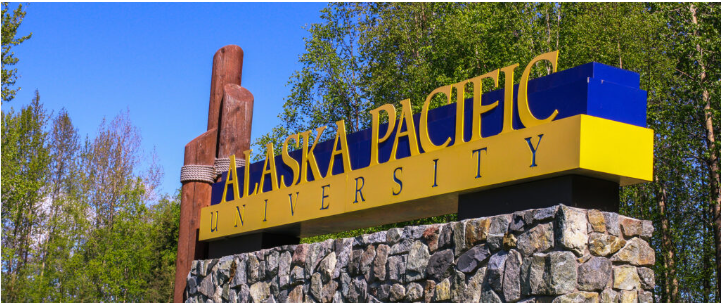
Alaska Pacific University (APU) is a private, nonprofit university located in Anchorage, Alaska. Founded in 1957, APU is known for its small class sizes, experiential learning model, and strong connection to Alaska’s natural environment and Indigenous communities. The university emphasizes personalized education, community engagement, and place-based learning, using Alaska itself as an extended classroom.
Overview
Alaska Pacific University is a distinctive institution that blends education with purpose, culture, and community. Located in the heart of Alaska, it offers students a learning experience shaped by collaboration, innovation, and real-world engagement. The university focuses on developing leaders who are deeply connected to their environment and society.
Academic Programs
APU offers undergraduate and graduate programs designed to combine academic theory with hands-on experience. Programs are organized around key focus areas such as business, education, health sciences, environmental studies, psychology, and outdoor and environmental public health.
Experiential learning is central to APU’s approach—students frequently participate in fieldwork, internships, research projects, and community partnerships. Small class sizes allow for close interaction with faculty, mentoring, and collaborative learning, helping students build practical skills alongside academic knowledge.
Campus Life
APU’s main campus is set on a wooded area in Anchorage, near the Chugach Mountains, providing easy access to both urban amenities and outdoor recreation. Campus life reflects Alaska’s lifestyle, with opportunities for hiking, skiing, environmental activities, and cultural events. The university fosters a close-knit community where students are encouraged to engage in leadership, service learning, and cultural exchange. Facilities such as athletic centers, outdoor learning spaces, and community gathering areas support both academic and social life.
Alaska Pacific University – Estimated Cost of Attendance (2025–2026)
Undergraduate (Full‑Time Student)
- Tuition (12+ credits per semester): $20,350
- Mandatory Fees: $510
- Total Tuition & Fees: $20,860
Estimated Other Costs (annual):
- Housing: $4,102
- Food: $4,830
- Books & Supplies: $1,200
- Transportation: $2,500
- Personal/Misc. Expenses: $3,000
- Total Estimated Annual Cost of Attendance: ≈ $36,492
Graduate (Full‑Time Student)
- Tuition (based on 6 credits per semester): $10,175
- Mandatory Fees: $410
- Total Tuition & Fees: $10,585
Estimated Other Costs (annual):
- Housing: $14,502
- Food: $4,738
- Books & Supplies: $300
- Transportation: $2,500
- Personal/Misc. Expenses: $3,000
- Total Estimated Annual Cost of Attendance: ≈ $35,625
Financial Aid and Affordability
APU is committed to making education accessible and affordable. A significant percentage of students receive financial aid through a combination of institutional scholarships, grants, federal and state aid, and work-study opportunities. Merit-based and need-based scholarships are available, and the university provides personalized financial aid counseling to help students and families navigate funding options and manage educational expenses.
Why Choose Alaska Pacific University
Students choose Alaska Pacific University for its individualized learning environment, strong emphasis on experiential education, and unique cultural and environmental setting. The university’s commitment to Indigenous knowledge, sustainability, and community engagement offers a distinctive educational experience. APU is particularly well-suited for students who value close faculty relationships, hands-on learning, and education that connects directly to real-world challenges.
Conclusion
Alaska Pacific University offers a unique and meaningful higher-education experience rooted in place, culture, and community. With its experiential learning model, supportive campus environment, and commitment to accessibility and inclusivity, APU prepares students not only for professional success but also for thoughtful leadership and responsible engagement in a rapidly changing world.