
Boston University (BU) is a private research university known for discovery that runs from bench science to journalism, public health, engineering, and the arts. Founded in 1839, BU pairs an urban campus along Commonwealth Avenue with 300+ programs and a global alumni network. This guide mirrors your UT Austin outline—overview, academics, campus life, admissions, tuition and aid—and finishes with a four-paragraph conclusion. It’s direct, 2025–26 focused, and light on lists.
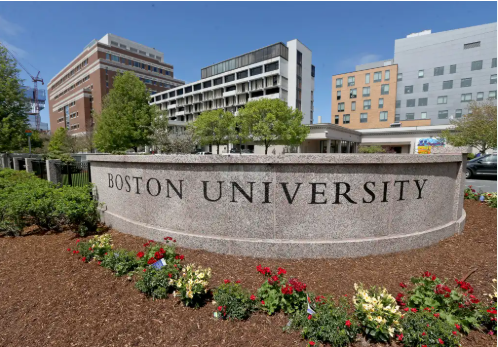
Overview
The Charles River Campus stretches for about a mile and a half on Boston’s Green Line, with classrooms, labs, studios, residences, and student spaces woven into the city. Most undergraduate and many graduate programs are on this corridor; the Medical Campus sits a short T-ride away in the South End. BU enrolls roughly 36,600 students (about half undergraduates, half graduate/professional). The setting is unapologetically urban: internships, hospitals, media outlets, and startups are in the neighborhood, not across town.
Academics and Majors
Boston University’s 17 schools and colleges cover nearly every field. In Arts & Sciences, students move from broad introductory sequences into research-driven seminars and thesis options. Engineering emphasizes biomedical, electrical & computer, and mechanical disciplines and brings design work to life through hands-on teams and capstones. Questrom School of Business ties coursework in analytics, finance, and management to Boston’s consulting, financial, and tech employers. The College of Fine Arts and the College of Communication anchor performance, studio art, journalism, advertising, public relations, and film/TV. Health and rehabilitation (Sargent) and education and human development (Wheelock) round out popular professional routes. Most programs publish sample plans and clear prerequisites, which makes it easier to map four years without overloading.
Campus Life
Student clubs are everywhere—academic societies, cultural groups, media and arts, design/build, Greek life, and service organizations. You’ll find hockey nights in Agganis Arena, busy club and intramural leagues, and a large fitness and aquatics center that hums from morning to night. Galleries, black-box theaters, and student publications keep a steady calendar; the city’s museums and music venues do the rest. Living here means leaning into transit and winter layers, but it also means internships during the semester instead of only in summer.
Admissions
Admission is selective and holistic. BU looks for rigorous coursework, strong grades, focused essays, and sustained impact outside the classroom. Testing is optional through fall 2028 and spring 2029, so SAT/ACT scores are submitted only if they strengthen your application. For timing: Early Decision I applications are due November 1. Merit scholarship consideration closes December 1. Early Decision II and Regular Decision both land on January 5. Most decisions follow the usual mid-December, mid-February, and late-March pattern.
Tuition, Scholarships, and Financial Aid (2025–26)
- Tuition (2025/26): $69,870; fees: $1,502.
- Housing/Food (typical): $12,790 + $7,180.
- Estimated billed total: $91,342 per year (before books/personal/transport).
- Full COA estimate: ~$94,427 including ~$3,085 for books, personal, local transport.
- Billing & insurance: Billed by semester; health insurance required unless you waive with comparable coverage (common in MA).
- Need-based aid (affordableBU): BU meets 100% of demonstrated need and keeps your BU need-based scholarship level stable for four years (adjusts if tuition rises).
- Merit scholarships: Trustee (full tuition + mandatory fees) and Presidential (half tuition); both renewable if you meet terms; apply by Dec 1.
- What to file: CSS Profile + FAFSA on time for need-based aid and campus work programs.
Conclusion
Boston University blends the energy of a major city with the reach of a global research university. Selectivity is real, but the process gives you control. With test-optional through fall 2028/spring 2029, you decide whether scores are part of your story. Build a transcript with depth and rigor, show sustained effort in a few things that matter, and use essays to connect your plan to BU’s resources. Put the key dates in writing—Early Decision I (Nov 1), Merit (Dec 1), ED II/RD (Jan 5)—and leave space for arts prescreens if they apply.
Costs are transparent once you read the 2025/26 table: $69,870 tuition, $91,342 estimated billed total, and about $94,427 for the full cost of attendance with typical books and local transport. Build two working budgets—on-campus and off-campus—and sanity-check rent and food with Boston CPI trends. Health insurance is required unless waived, so include it in the plan.