
Montana State University (MSU) is a flagship public research university located in Bozeman, Montana. As one of the largest and most respected institutions in the state, MSU plays a central role in higher education, research, and workforce development across the region. The university is classified as a research-intensive institution and is particularly well known for its strengths in engineering, agriculture, science, and technology-driven disciplines. With a strong focus on experiential learning, MSU encourages students to engage in hands-on research, internships, and real-world problem solving from an early stage. Its location in Bozeman also adds to its appeal, offering students access to a growing tech and innovation ecosystem alongside Montana’s renowned outdoor and environmental resources. This balance of academic rigor, research opportunity, and lifestyle makes MSU a compelling choice for both in-state and out-of-state students.
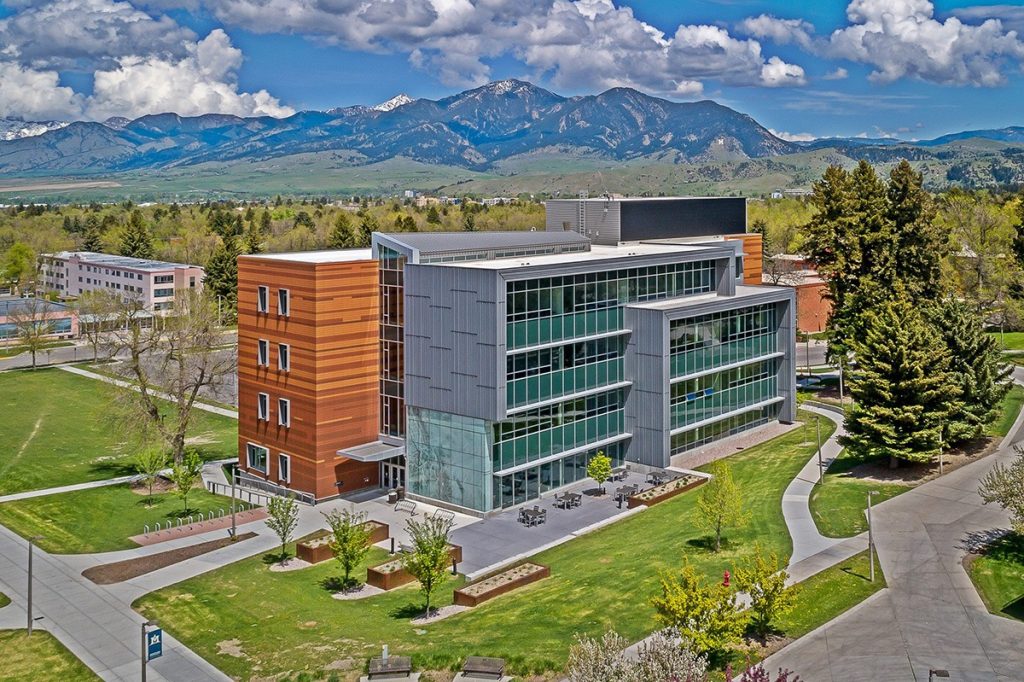
Estimated Annual Tuition & Mandatory Fees (2025–2026)
The figures below represent estimated costs for full-time enrollment (12 or more credits per semester). These estimates primarily reflect tuition and mandatory institutional fees and may vary slightly depending on program and course load.
Undergraduate Students
- In-State (Montana Residents): approximately $8,855 – $8,946 per year
- Out-of-State: approximately $33,782 – $35,358 per year
Graduate Students
- In-State (Montana Residents): approximately $6,542 – $8,026 per year
- Out-of-State: approximately $21,098 – $27,968 per year
Gallatin College at MSU (2-Year Programs)
Gallatin College offers associate degrees, certificates, and applied programs designed for workforce readiness.
- In-State: approximately $3,082 per year
- Out-of-State: approximately $12,108 per year
Western Undergraduate Exchange (WUE) Rate
Eligible students from participating western states may qualify for the WUE rate, estimated at $12,663 per academic year, significantly reducing the cost of out-of-state tuition.
Mandatory Semesterly Fees Breakdown
Mandatory fees are charged in addition to tuition and support essential campus services and student resources.
- Registration Fee: $30.00 per semester (non-refundable processing fee)
- Building Fees: Support the Student Union (SU) and Student Facilities Enhancement Project (SFEP)
- ASMSU Activity Fee: $42.71 per semester for student government, clubs, and activities
- Transportation Fee: $12.71 per semester
- Student Press Fee: $4.75 per semester
These fees contribute to campus maintenance, student engagement, and access to academic and co-curricular facilities.
Additional Required & Optional Costs
Students should also budget for indirect costs that form part of the overall cost of attendance.
- Health Insurance: Required for students enrolled in 6 or more credits. The MSU-sponsored plan for 2025–2026 is approximately $2,202 per semester.
- Application Fees: Montana residents often apply for free, while out-of-state undergraduates pay $38. Graduate application fees are typically $70.
- Food and Housing: Estimated on-campus room and board is approximately $14,580 per academic year, depending on housing and meal plan selection.
- Orientation Fee: New freshmen pay a one-time fee of $150.85, covering orientation programs and academic onboarding.
Academic Programs at Montana State University
Montana State University offers a comprehensive range of academic programs across undergraduate, graduate, and associate levels. MSU emphasizes experiential learning, research involvement, and industry connections.
Major Academic Areas Include
- Engineering and Computer Science
- Agriculture and Environmental Sciences
- Business and Entrepreneurship
- Health and Human Development
- Education and Teaching
- Arts, Architecture, and Design
- Letters and Social Sciences
- Science, Mathematics, and Technology
Why Montana State University Is a Strong Value Choice
MSU stands out for combining affordable in-state tuition, competitive WUE pricing, and high academic quality. Its Bozeman location provides students with access to research labs, outdoor recreation, and a growing regional economy, particularly in engineering, technology, and environmental sciences.
The university’s transparent cost structure, diverse academic offerings, and strong student support services make it an appealing option for Montana residents, WUE students, and out-of-state learners seeking quality public education.
Conclusion
Montana State University offers a strong balance of academic quality, research opportunity, and affordability, particularly for Montana residents and students eligible for the WUE program. Its transparent tuition structure and clearly defined fees help students and families plan confidently for the cost of higher education, while its wide range of academic programs supports diverse educational and career goals. For students seeking a public research university with hands-on learning, respected faculty, and a supportive campus environment, MSU stands out as a practical and value-driven option. With its continued investment in academic excellence and student success, Montana State University remains a compelling choice for the 2025–2026 academic year and beyond.