
Plymouth State University (PSU) is a public university located in Plymouth, New Hampshire, offering a student-focused academic environment with competitive tuition rates, particularly for New Hampshire residents and New England students. Known for its hands-on learning approach and strong regional reputation, PSU is often considered a cost-effective public university option within New England.
This article provides a clear breakdown of tuition, fees, total cost of attendance, graduate pricing, and campus life for the 2025–2026 academic year to help students and families plan accurately.
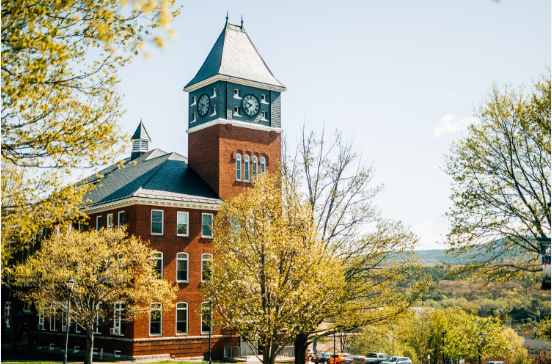
Institutional Overview and Academic Focus
Plymouth State University offers undergraduate and graduate programs across education, business, health and human services, environmental science, arts, and applied sciences. The university emphasizes experiential learning, teacher preparation, community engagement, and career-ready skills.
As a public institution, PSU’s tuition structure is heavily influenced by residency status, with reduced rates available through the New England Regional Program (NEBHE).
Key Factors Influencing Tuition and Costs
Total costs at PSU depend on several enrollment and lifestyle factors:
- Residency Status: New Hampshire residents pay the lowest tuition
- NEBHE Eligibility: Students from other New England states may qualify for reduced rates
- Enrollment Type: Full-time vs part-time pricing
- Academic Level: Undergraduate and graduate tuition structures differ
- Housing and Dining Choices: On-campus living significantly impacts total cost
Understanding these variables helps students estimate their true cost of attendance.
Undergraduate Tuition and Fees (Estimated 2025–2026)
Full-Time Undergraduate Tuition
- New Hampshire Residents: ~$12,230 per year
- Out-of-State Students: ~$23,380 per year
- New England Regional Program (NEBHE): ~$20,380 per year
Total Estimated Direct Bill
(Includes tuition, mandatory fees, room, and board)
- NH Residents: ~$28,410 annually
- Out-of-State Students: ~$39,560 annually
- NEBHE Students: ~$36,560 annually
These figures reflect typical on-campus enrollment and exclude personal expenses such as transportation or discretionary spending.
Part-Time Undergraduate Costs
Students enrolled part-time are charged on a per-credit basis, making PSU a flexible option for working students or those balancing other commitments.
- Resident Rate: ~$510 per credit hour
- Non-Resident Rate: ~$975 per credit hour
Total costs vary depending on course load and program requirements.
Graduate Tuition Overview (Estimated 2025–2026)
Graduate programs at PSU follow either a flat-rate model or per-credit pricing, depending on the degree.
Master’s Degree Tuition
- Flat Annual Rate:
- Resident: ~$19,383
- Non-Resident: ~$26,313
- Per-Credit Rate (Master’s Programs):
- Resident: ~$599 per credit
- Non-Resident: ~$830 per credit
Graduate students should confirm pricing with their specific department, as program formats and credit requirements vary.
Housing, Dining, and Living Costs
Room and board are a significant portion of total expenses for on-campus students.
- Estimated Room & Board (2025–2026): ~$13,342 per year
Housing options include traditional residence halls and apartment-style living, with dining plans designed to accommodate different schedules and preferences.
Campus Life and Student Experience at Plymouth State University
Campus life at PSU is shaped by its small-campus feel, scenic mountain setting, and strong sense of community. Located near the White Mountains, the university offers a quieter, close-knit alternative to large urban campuses.
Housing and Community Living
Many undergraduates choose to live on campus, particularly during their first years. Residential life programs encourage student involvement, peer connections, and academic support.
Student Organizations and Activities
PSU hosts a variety of student clubs, academic societies, leadership programs, and community service organizations. Campus events, performances, and seasonal activities play an important role in student engagement.
Recreation and Outdoor Opportunities
The university’s location provides easy access to hiking, skiing, and outdoor recreation. On-campus fitness facilities and intramural sports support student wellness and work-life balance.
Financial Aid and Affordability
Plymouth State University offers financial assistance through:
- Merit-based scholarships
- Need-based grants
- Federal and state aid programs
- Work-study opportunities
New Hampshire residents and NEBHE participants often benefit from significantly reduced tuition, making PSU one of the more affordable public universities in the region.
Conclusion
For the 2025–2026 academic year, Plymouth State University presents a cost-conscious public university option, with estimated total annual costs ranging from approximately $28,410 for New Hampshire residents to $39,560 for out-of-state students. Tuition flexibility for part-time and graduate students further broadens accessibility.
With its affordable pricing, supportive campus environment, and emphasis on practical education, PSU is well suited for students seeking a balanced academic experience with predictable costs and strong regional value.