
Brown University stands as one of the most prestigious institutions of higher education in the United States and the world. Located in Providence, Rhode Island, Brown is a member of the Ivy League and is consistently ranked among the top universities globally for academic excellence, research output, and student outcomes. Founded in 1764, Brown combines centuries of academic tradition with a progressive approach to education that prioritizes intellectual freedom, interdisciplinary exploration, and student agency. Through its renowned Open Curriculum, robust research culture, and generous financial aid policies, Brown offers an academic environment designed not only to educate students but to prepare them for leadership, innovation, and meaningful impact across industries.
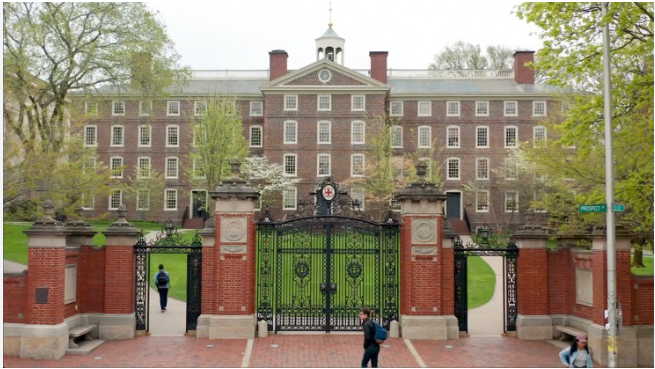
University Overview and Institutional Profile
Brown University is a private, nonprofit research university that enrolls approximately 7,000 undergraduate students and more than 3,000 graduate and professional students. Despite its Ivy League status, Brown maintains a relatively intimate academic environment, emphasizing close faculty-student collaboration and small class sizes.
The university is organized into several academic divisions, including the College, the Graduate School, the School of Engineering, the School of Public Health, and the Warren Alpert Medical School. Brown’s urban campus in Providence places students at the center of a culturally rich and academically vibrant city while maintaining a cohesive residential campus experience.
Brown is widely recognized for fostering independent thinking, ethical leadership, and global engagement. Its alumni include Nobel laureates, heads of state, Supreme Court justices, entrepreneurs, scientists, and cultural leaders, reflecting the breadth and depth of its academic influence.
Academic Programs and the Open Curriculum
Brown University offers a comprehensive range of undergraduate, graduate, and doctoral programs across the humanities, social sciences, natural sciences, engineering, public health, and interdisciplinary studies. Undergraduate students may choose from more than 80 concentrations, while graduate programs span advanced research, professional training, and doctoral scholarship.
At the core of Brown’s academic identity is the Open Curriculum, a distinctive educational framework that removes traditional distribution requirements and allows students to design their own academic pathways. Under this model, students are not required to take general education courses outside their concentration unless they choose to do so. Instead, they are encouraged to pursue areas of genuine intellectual interest, fostering depth, curiosity, and interdisciplinary engagement.
Brown also places strong emphasis on undergraduate research. Students are actively involved in faculty-led research projects, independent studies, and funded summer research programs. These opportunities often begin as early as the first year, allowing undergraduates to engage deeply with scholarly inquiry and innovation.
Faculty Excellence and Research Environment
Brown’s faculty includes leading scholars, researchers, and practitioners across disciplines. Faculty members are not only recognized for their academic credentials but also for their commitment to teaching and mentorship. Small seminar-style classes and collaborative learning environments enable meaningful engagement between students and professors.
Research is a central pillar of Brown University. The institution receives significant funding for research in areas such as biomedical sciences, public health, climate and environmental studies, artificial intelligence, social policy, and global development. Brown’s research centers and institutes facilitate cross-disciplinary collaboration and real-world impact, often involving partnerships with government agencies, nonprofit organizations, and global institutions.
Undergraduate students benefit directly from this research culture, gaining access to laboratory work, field studies, policy research, and innovation labs that strengthen both academic learning and career readiness.
Campus Life and Student Experience
Campus life at Brown University is intellectually dynamic, inclusive, and community-oriented. Students have access to over 500 student organizations, including academic societies, cultural and identity-based groups, performing arts organizations, entrepreneurship clubs, and service initiatives.
Brown’s residential system supports strong community bonds, with students living on campus throughout all four years. Residential halls are designed to foster collaboration, discussion, and social connection, contributing to a cohesive campus culture.
The university prioritizes student well-being through comprehensive support services, including academic advising, mental health counseling, career services, and wellness programs. Athletics and recreation also play an important role, with Division I varsity sports, club athletics, fitness centers, and outdoor activities available to students.
Tuition and Estimated Cost of Attendance (2025–2026)
For the 2025–2026 academic year, Brown University’s estimated total cost of attendance for undergraduate students is approximately $97,284 to $102,228, depending on housing choices and individual expense estimates. This figure reflects the full “sticker price” before financial aid is applied.
Estimated Annual Cost Breakdown:
- Tuition: ~$71,700
- Mandatory Fees: ~$2,950
(includes student activities, health services, and campus resources) - Room & Board: ~$18,514 (variable)
- Books & Supplies: ~$1,300 (estimated)
- Personal Expenses: ~$2,820 (estimated)
While these numbers place Brown among the most expensive universities in the country, they do not represent what most students actually pay after financial aid.
Financial Aid and Affordability
Brown University is nationally recognized for its commitment to affordability and access. The university follows a need-blind admissions policy for U.S. students and meets 100% of demonstrated financial need for all admitted undergraduates.
In addition, Brown offers full tuition coverage for students from families earning $125,000 or less annually, provided they have typical assets. Many middle-income families also receive substantial aid, making the net cost of attendance far lower than the published tuition.
As a result, the actual cost of attending Brown varies widely by household income, and for many students, Brown is competitively priced relative to public universities and private institutions with less generous aid.
Career Outcomes and Alumni Network
Brown University graduates consistently achieve strong career and postgraduate outcomes. Alumni pursue careers across sectors such as technology, finance, healthcare, academia, public policy, entrepreneurship, and the arts. Many students continue on to top graduate and professional schools worldwide.
Brown’s alumni network spans the globe and provides valuable mentorship, networking, and career support. Career advising services at Brown help students secure internships, research placements, and employment opportunities during and after their studies. The university’s emphasis on critical thinking, adaptability, and interdisciplinary learning equips graduates with skills that remain relevant across changing industries and economic conditions.
Why Choose Brown University
Brown University appeals to students who value academic freedom, intellectual curiosity, and rigorous scholarship. Its Open Curriculum empowers students to shape their own educational journeys, while its research excellence and faculty engagement provide deep academic grounding.
Combined with a strong commitment to financial accessibility, a vibrant campus culture, and outstanding career outcomes, Brown offers a transformative educational experience for students seeking both flexibility and excellence.
Conclusion
Brown University represents a unique blend of tradition, innovation, and student-centered education. While its published cost of attendance reflects its elite status, the university’s robust financial aid policies make it accessible to students from a wide range of economic backgrounds. Through its Open Curriculum, world-class faculty, research opportunities, and supportive campus environment, Brown prepares students not just for their first job or graduate program, but for lifelong learning and leadership. For students seeking a top-tier education with flexibility, depth, and global impact, Brown University remains one of the strongest choices in higher education today.