
Oregon Institute of Technology (Oregon Tech) in Klamath Falls is Oregon’s designated polytechnic university, known for its strong emphasis on applied learning, hands-on technical education, and high graduate employment outcomes. As a public institution focused on science, engineering, health technologies, and applied sciences, Oregon Tech equips students with the career-ready skills today’s industries demand.
Overview
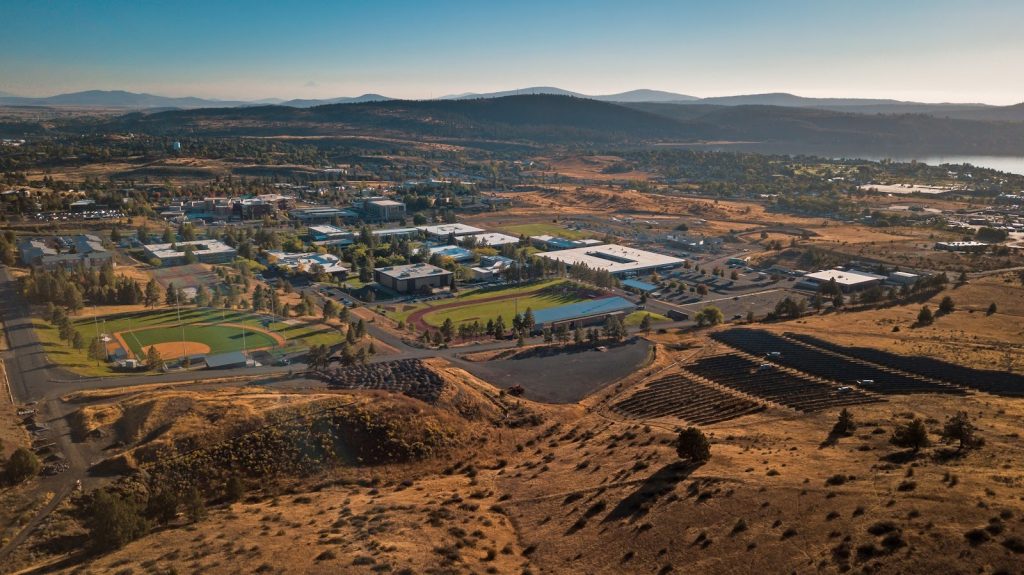
Founded in 1947, Oregon Tech blends the rigor of a research-driven university with the practicality of a technical institute. The rural Klamath Falls campus overlooks Upper Klamath Lake and serves as the university’s main residential hub, where students engage in immersive coursework, collaborative projects, and industry partnerships. In addition to Klamath Falls, Oregon Tech operates campuses in Portland-Metro, Wilsonville, Salem, and Seattle, offering flexibility for different learning pathways.
Academic Programs
Oregon Tech’s academic offerings are built around applied and technical disciplines that emphasize real-world experience. Popular undergraduate majors include:
- Engineering Technologies
- Renewable Energy Engineering
- Health Technologies (e.g., medical imaging, respiratory care)
- Computer Systems and Cybersecurity
- Management and Applied Sciences
Graduate programs focus on advanced technical leadership and applied research, with many integrating internships or industry projects into the curriculum.
Hands-on labs, cooperative education, and project-based learning are central to the Oregon Tech experience, ensuring that graduates are prepared for immediate employment in competitive fields.
Campus Life
Life on the Klamath Falls campus combines a supportive academic environment with outdoor recreation and community engagement. The campus culture is known for being focused, collaborative, and student-centered.
Housing and Residence Life
Students can choose from residence halls with shared or single rooms and The Village apartment-style housing with private bedrooms and shared living spaces. Living on campus fosters deeper involvement in student life and access to academic support.
Student Engagement
Oregon Tech offers a broad range of student clubs, professional organizations, and activity groups. From engineering clubs and professional honor societies to recreational activities and student governance, there are numerous opportunities to connect, lead, and grow.
Outdoor and Community Experiences
The Klamath Falls region provides easy access to outdoor pursuits such as hiking, skiing, and water sports, enriching the student experience beyond the classroom. Many students also benefit from community partnerships and local internship opportunities.
Tuition and Fees (2025–2026 Estimates)
Oregon Tech’s tuition and fee structure reflects both its polytechnic mission and its commitment to transparent costs. The figures below are the most recent official estimates for full-time undergraduate students (15 credits per term) at the Klamath Falls campus.
Resident Undergraduate Tuition & Fees
- Base Tuition: ~$11,403 per year
- Total Tuition & Fees: ~$13,760 per year (including campus and mandatory fees)
Out-of-State Undergraduate Tuition & Fees
- Total Estimated Tuition & Fees: ~$38,653 per year (including non-resident charges)
Oregon Tech also assesses a one-time matriculation fee of $350 for new and transfer students upon enrollment.
Program-Specific Tuition: Certain majors such as engineering technologies, medical imaging, respiratory care, and dental programs carry a differential tuition rate, which increases the per-credit cost to reflect higher instructional and lab expenses.
Living and Additional Costs
Tuition figures do not include living expenses, which students must budget separately. Official housing rates for the 2025–26 academic year show that a double-room residence hall costs approximately $6,549 per academic year, with higher rates for single rooms or apartment-style living.
Meal plans are typically required for on-campus residents and vary by plan selection. Other budget considerations include books and supplies, transportation, health insurance (mandatory for international students), and personal expenses.
According to third-party estimates, the average net price students pay after scholarships and grants can be significantly lower than sticker tuition, around $17,000–$19,000 per year for many families after financial aid is applied.
How to Find Detailed Costs
To view the most current tuition tables and cost breakdowns, prospective students should consult:
- Oregon Tech’s Tuition & Fees page which lists base tuition, mandatory fees, differential rates, and per-credit costs.
- The Tuition & Fee Calculator allows custom estimates based on credit load and residency status.
- Official room and board rate schedules for accurate housing cost planning.
Why Choose Oregon Tech
Oregon Tech is distinguished by its dedication to career-aligned education and hands-on learning. Its graduates are known for strong job placement and practical expertise in fields such as engineering, healthcare technology, and applied sciences. The university’s polytechnic focus, combined with smaller class sizes and industry partnerships, offers a learning environment where students are prepared for both technical proficiency and professional success.
With a scenic campus, active student community, and clear pathways to internships and employment, Oregon Tech provides a compelling choice for students seeking a focused, career-ready education.
Conclusion
Oregon Institute of Technology in Klamath Falls combines rigorous academic programs with applied learning and vibrant student life. Its transparent tuition model, hands-on approach, and strong industry relevance make it a practical and attractive option for students pursuing technical and emerging careers. Whether residents or non-residents, students benefit from a supportive campus, real-world experience, and valuable career preparation in today’s competitive job market.