
Central Wyoming College (CWC) in Riverton is one of the state’s most essential community colleges, offering affordable education, workforce-ready programs, and flexible pathways for students planning to transfer to four-year universities. Known for its strong commitment to accessibility, hands-on learning, and regional workforce development, CWC serves as a vital academic hub for central and western Wyoming. With small class sizes, personalized advising, and multiple campus locations, the college provides students with an environment that supports both personal and professional growth.
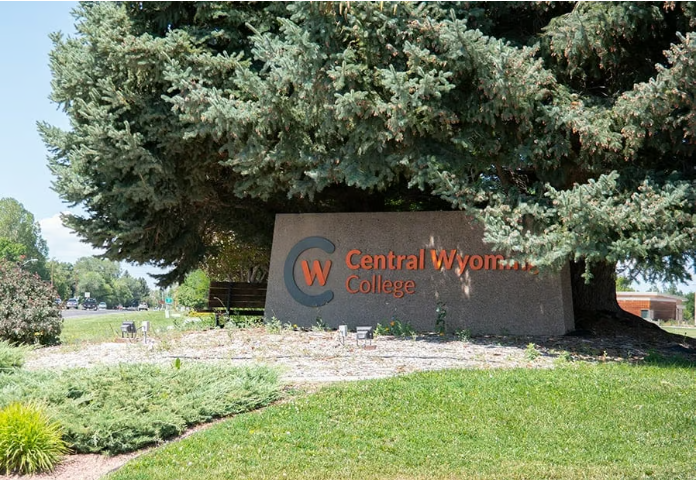
Overview
CWC’s main campus is located in Riverton, with additional centers in Lander, Jackson, Dubois, and the Wind River Indian Reservation. This multi-campus structure allows students from across Wyoming to access academic programs, technical training, and community education opportunities close to home.
The college offers associate degrees, certificates, skills training, and specialized programs in fields such as nursing, outdoor education, business, criminal justice, arts, sciences, and applied technologies. Its outdoor and field-based programs are especially well-known, leveraging Wyoming’s surrounding landscapes for experiential learning.
A central mission of CWC is affordability — making higher education accessible to both Wyoming residents and students across the Western U.S. through its participation in the Western Undergraduate Exchange (WUE).
Academics at Central Wyoming College
CWC offers a wide range of programs that prepare students for immediate careers or seamless transfer to four-year universities. Major academic areas include:
Arts & Sciences
Programs in communication, psychology, biology, English, math, political science, and social sciences provide foundational academic preparation for bachelor’s degrees.
Health & Nursing
CWC’s Nursing Program is one of the most respected in the state, offering hands-on clinical training, modern labs, and strong NCLEX pass rates. Additional health pathways include medical assisting, EMT training, and health sciences.
Business & Technology
Students can pursue business administration, accounting, entrepreneurship, and information technology, with coursework designed for practical employment readiness.
Career & Technical Education
CWC offers workforce-driven training in:
- Welding
- Automotive technology
- Cosmetology
- Criminal justice
- Early childhood education
These programs equip students with industry-recognized credentials and immediate job entry.
Outdoor and Environmental Programs
Through the Alpine Science Institute, students experience outdoor leadership, environmental science, and field-based research unique to Wyoming’s geography.
Campus Life at CWC
Student Engagement
CWC offers vibrant student life through clubs, leadership groups, cultural events, and community gatherings. Students benefit from campus recreation, student activities, and supportive advising services.
Housing & Residence Life
On-campus housing options range from traditional dorms to apartment-style living, with housing costs varying from:
- $2,590 to $4,744 per academic year, depending on the selected residence.
Community Integration
CWC plays a significant role in Riverton and its surrounding regions, hosting community events, performances, workshops, and youth programs.
Cost of Attendance (2025–2026)
Based on a 15-credit full academic year, below are the estimated costs for 2025–2026.
| Category | In-State | WUE* | Out-of-State |
| Tuition & Fees | $4,935 | $6,525 | $11,235 |
| Housing | $2,590–$4,744 | $2,590–$4,744 | $2,590–$4,744 |
| Food | $4,410 | $4,410 | $4,410 |
| Books & Course Materials | $1,280 | $1,280 | $1,280 |
| Total Estimated Cost | $13,215 | $14,805 | $19,515 |
These totals represent estimated full-year budgets and may vary based on housing assignments, program fees, and personal expenses.
Understanding WUE (Western Undergraduate Exchange)
CWC participates in the Western Undergraduate Exchange, which allows students from 16 western states and territories to attend at a reduced tuition rate. WUE states and regions include:
Alaska, Arizona, California, Colorado, Guam, Hawaii, Idaho, Montana, Nevada, New Mexico, North Dakota, Oregon, Marshall Islands, South Dakota, Utah, Washington, and Northern Marianas.
Additionally:
Nebraska students currently receive the same WUE tuition rate, even though Nebraska is not officially a WUE state.
WUE significantly lowers education costs for non-residents and is one of CWC’s most attractive affordability pathways.
Tuition & Fee Chart (Per Credit Hour for 2025–2026)
| Credits | In-State | WUE | Out-of-State | International |
| 1 credit | $105 + $59.50 fees = $164.50 | $158 + $59.50 fees = $217.50 | $315 + $59.50 fees = $374.50 | $374.50 |
| 6 credits | $987 | $1,305 | $2,247 | $2,247 |
| 9 credits | $1,480.50 | $1,957.50 | $3,370.50 | $3,370.50 |
| 12 credits | $1,974 | $2,610 | $4,494 | $4,494 |
| 15 credits | $2,467.50 | $3,262.50 | $5,617.50 | $5,617.50 |
Financial Aid and Scholarships
CWC supports students with multiple forms of financial aid:
Scholarships
- Academic performance–based awards
- Activity and talent scholarships
- Foundation and donor-funded scholarships
- Program-specific scholarships (e.g., nursing, trades, business)
Federal & State Aid
- Pell Grants
- Federal student loans
- Work-study opportunities
- State grants for Wyoming residents
Support Services
Students can access financial counseling, FAFSA assistance, refund tracking, and consumer information through CWC’s financial aid offices.
Conclusion
Central Wyoming College provides an affordable, student-focused educational experience designed to support academic growth, career development, and community engagement. With its flexible programs, strong transfer pathways, hands-on learning opportunities, and WUE tuition benefits, CWC serves as both a launching point for university-bound students and a practical choice for those entering the workforce directly. By combining accessible education with personalized support and regional impact, CWC remains one of Wyoming’s most valuable institutions for learners seeking opportunity, affordability, and meaningful academic preparation.