
Introduction
Temple University, located in Philadelphia, Pennsylvania, stands as one of the nation’s most prestigious public research universities. Established in 1884, Temple has grown from a modest night school to a globally recognized institution, committed to educational excellence, research innovation, and community engagement. The university’s evolution is a testament to its unwavering focus on providing quality education, preparing students to become leaders and innovators in various fields.
In addition to its outstanding academic offerings, Temple University is deeply rooted in the city of Philadelphia, enriching students’ experiences with access to one of America’s most historically rich and culturally diverse urban landscapes. Through a dynamic fusion of academics, athletics, arts, and service, Temple provides a comprehensive environment for intellectual growth and personal development.
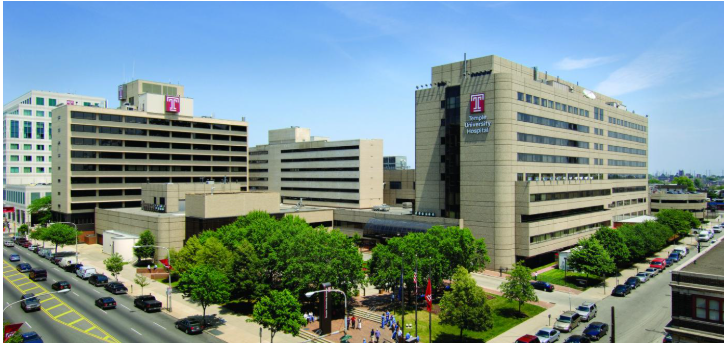
Overview
Temple University, a major urban university, serves a diverse student population of more than 40,000 students. With a sprawling campus and renowned research programs, it boasts a large contingent of faculty who have earned national and international recognition for their work. The university prides itself on offering an education that combines intellectual rigor with real-world engagement, utilizing the city’s resources to support the professional and academic growth of students.
Temple is at the crossroads of a historical and cultural hub, providing students access to numerous networking opportunities with local businesses, healthcare organizations, government entities, cultural institutions, and beyond. The city’s resources, along with Temple’s comprehensive support services, contribute to a transformative educational experience. Moreover, the university thrives on its partnerships with both local and international institutions, allowing students to build global and professional networks.
Academic Majors
Temple University is home to 17 schools and colleges, each committed to excellence in its specific field of study. These schools offer students a variety of programs designed to prepare them for successful careers in diverse disciplines. Temple’s academic approach is interdisciplinary, providing students the opportunity to explore cross-disciplinary connections that deepen their understanding of both their major field of study and the broader world. Below are some of Temple’s most renowned academic divisions:
- College of Liberal Arts: This college offers comprehensive programs in the humanities, natural sciences, and social sciences. Students pursue degrees in subjects such as sociology, psychology, political science, history, anthropology, and more. The college emphasizes developing students’ critical thinking abilities, cultural literacy, and a broad understanding of the world. Students engage in a variety of learning experiences that prepare them to think analytically and make informed contributions to their communities.
- Fox School of Business: As one of the top business schools in the United States, the Fox School offers a variety of undergraduate and graduate programs in business, finance, management, entrepreneurship, marketing, and accounting. Its rigorous curriculum and emphasis on hands-on experience prepare students for leadership roles in the business world. Students have access to cutting-edge resources, such as the Innovation and Entrepreneurship Institute, which foster entrepreneurial thinking and practical business problem-solving.
- College of Engineering: Temple’s College of Engineering prepares students for careers in high-demand fields such as bioengineering, mechanical engineering, civil engineering, and electrical engineering. The College’s research initiatives are often in partnership with industry leaders, offering students direct access to transformative research experiences. Graduates from this program are well-equipped to work in both research and industry settings.
- School of Medicine (Lewis Katz School of Medicine): The Lewis Katz School of Medicine is recognized as one of the leading medical schools in the United States. It offers students a comprehensive education that emphasizes patient-centered care while providing ample opportunities for groundbreaking medical research. Students at Temple’s medical school benefit from working within one of the nation’s largest and most diverse urban populations.
- Beasley School of Law: Known for its commitment to experiential learning, the Beasley School of Law provides students with the tools they need to excel in various areas of law practice. Programs include business law, public interest law, and international law. Students have access to Temple’s law clinics, which provide real-world experience in client representation, policy advocacy, and litigation.
- College of Health Professions and Social Work:This college offers degree programs in areas such as nursing, social work, and physical therapy. Temple’s health sciences and social work programs are designed to produce compassionate and skilled professionals capable of making a significant impact on contemporary healthcare and social work landscapes.
- School of Communication and Theater: This school is renowned for its emphasis on both practical training and theoretical exploration in fields such as media studies, journalism, public relations, advertising, theater, and film production. Students receive hands-on experience through internships, performance opportunities, and collaborative projects. The school’s strong connections within the media, public relations, and entertainment sectors provide students with unique networking and career opportunities.
Campus Life
Temple University’s campus life reflects its diverse and inclusive academic ethos, offering students an enriching blend of social, cultural, and academic experiences. The university ensures that students feel part of a strong campus community, where they can interact with individuals from a wide variety of backgrounds, engage in community service, and take part in extracurricular activities. Key elements of Temple’s campus life include the following:
Student Organizations
With over 300 student-run organizations, including academic societies, cultural clubs, and recreational clubs, Temple fosters a dynamic campus community. These organizations give students the chance to develop leadership skills, engage in civic and social advocacy, and build meaningful relationships. Students can also explore new interests, pursue hobbies, or join groups aligned with their professional aspirations.
Athletics
Temple University’s NCAA Division I athletic program features a range of sports, including football, basketball, baseball, soccer, and more. The school’s sports teams, known as the Temple Owls, are well-regarded and boast a rich history of competitive success, particularly in basketball and football. Students enjoy significant school spirit and support for their teams, creating a strong sense of camaraderie on campus.
Cultural Activities
Being located in an urban environment, Temple benefits from its proximity to various cultural institutions and activities throughout Philadelphia. Students are immersed in the city’s arts, theater, and music scene, often attending performances and exhibits. Temple’s campus itself offers venues for student and faculty performances, ensuring that creative expression and engagement are part of everyday life.
Residence Life
Temple offers a range of on-campus housing options, including traditional dormitories, apartment-style living, and themed communities focused on academic interests such as entrepreneurship or sustainability. Residence life promotes community, inclusivity, and skill development to help students transition into college and become active members of the campus community.
Admissions Process
The admissions process at Temple University is competitive, aiming to admit students who demonstrate not only academic excellence but also a commitment to personal and professional growth. Prospective students must submit their applications through the Common App or Temple’s application portal, and the following key components are part of the process:
- Academic Excellence: Strong performance in challenging high school courses is crucial for admission.
- Standardized Test Scores: While SAT or ACT scores are optional for most programs, they may be considered if submitted, alongside other factors.
- Extracurricular Involvement: Active participation in clubs, sports, community service, or leadership roles is highly valued as it demonstrates commitment and personal growth.
- Personal Essays: These essays are an opportunity for applicants to showcase their character, goals, and motivation beyond their academic performance.
- Letters of Recommendation: These letters offer valuable insight into the applicant’s abilities, potential, and character, as seen through the perspective of teachers, counselors, or others familiar with the student’s work and behavior.
Tuition, Financial Aid, and Scholarships
Temple University is committed to providing affordable education while ensuring that students have access to necessary financial resources.
Tuition Cost
- Undergraduate Tuition Rates: For in-state students, the annual tuition is $18,830, while out-of-state students are charged $32,532 per year. In addition to tuition, students face additional costs, such as student activity fees, lab fees (where applicable), and room and board. The total estimated cost of attendance is around $28,000 for in-state students and $41,000 for out-of-state students.
- Graduate Tuition Rates: Graduate tuition rates vary by department and program. For example, the MBA program at Temple’s Fox School of Business costs approximately $40,000 per year for in-state students. Financial costs will vary depending on the program, with tuition adjusted accordingly.
Financial Aid and Scholarships
Temple offers an array of financial aid options designed to help make education affordable. These options include:
- Federal and State Grants: The university participates in federal student aid programs, including the Pell Grant for eligible students, which provides financial assistance that does not require repayment.
- Loans: Federal student loan programs, including subsidized and unsubsidized loans, are available for qualifying students, offering manageable repayment terms.
- Work-Study: Temple provides work-study opportunities, which allow students to earn money to help cover educational expenses while gaining valuable experience working in jobs related to their field of study.
- Scholarships: Temple University provides numerous merit-based scholarships to undergraduate and graduate students, including the Dean’s Scholarship, Temple Award, and Temple Merit Scholarships. These scholarships are awarded based on academic performance, leadership skills, and community involvement.
Conclusion
Temple University stands as a premier institution offering an array of academic programs, research opportunities, and community-focused initiatives. Its robust commitment to providing an enriching educational experience has garnered Temple a reputation as one of the most dynamic public universities in the country. Students from around the world choose Temple for its diverse academic offerings, talented faculty, competitive athletic programs, and a campus environment that encourages leadership and service.
Temple’s rich history, coupled with its forward-thinking academic approach and commitment to community involvement, ensures that its students are well-prepared to tackle challenges and drive innovation. Whether you are pursuing an undergraduate degree, graduate degree, or professional certification, Temple offers the resources and opportunities needed to achieve academic success.
Contact information and location:
For more information about Temple University:
Location: 1801 N Broad St, Philadelphia, PA 19122, United States
Contact: +1 215-204-7000
Website:https://www.temple.edu/