
Fordham University, located in New York City, is a prestigious institution that combines academic rigor with a strong commitment to values, research, and community engagement. Known for its distinctive Jesuit tradition, Fordham aims to educate students in a manner that fosters intellectual, personal, and moral growth. Established in 1841, it has a rich history and has grown into one of the leading universities in the region, offering a robust education across various disciplines.
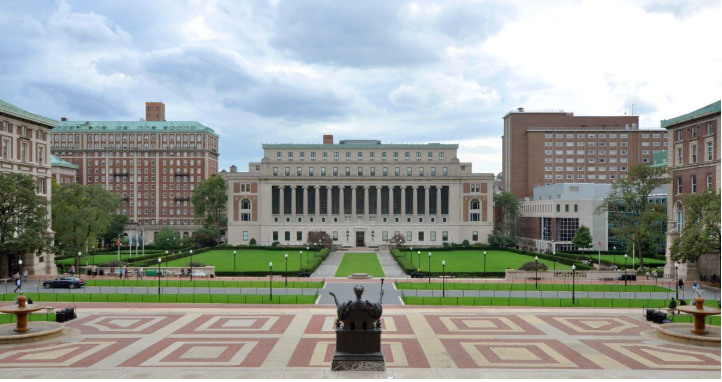
Overview of Fordham University
Fordham University is a private, Jesuit-affiliated institution with campuses in the Bronx and Manhattan. The university’s core values are rooted in its Catholic and Jesuit heritage, which emphasizes education for the whole person, justice, and service to others. The campus environment nurtures a close-knit community while being situated in one of the most dynamic and culturally diverse cities in the world. The university is home to approximately 15,000 students (undergraduate and graduate), with a faculty-to-student ratio of 1:14. Fordham’s diverse academic offerings span a range of disciplines, including the humanities, natural sciences, business, law, social services, and the arts. It is known for producing well-rounded graduates who excel in their careers and contribute positively to society.
Academics and Majors
Fordham offers a variety of programs in different schools, providing students with numerous opportunities for academic, professional, and personal development.
Undergraduate Programs
- Liberal Arts (Fordham College at Rose Hill): Emphasizes critical thinking, writing, and problem-solving across disciplines such as History, English, Sociology, Philosophy, and Theology, with opportunities for internships, study abroad, and community service.
- Gabelli School of Business: Offers undergraduate business programs focused on ethics, leadership, and global business, with concentrations in finance, marketing, international business, and accounting.
- School of Professional and Continuing Studies (PCS): Provides flexible undergraduate programs for adult learners in areas such as management, human resources, and public service, including online and hybrid options.
Graduate Programs
- Gabelli School of Business: Offers MBA and other graduate business programs emphasizing ethical leadership, strong industry connections, and career development.
- School of Law: Known for strengths in public interest law, business law, and experiential learning through clinics, externships, and joint-degree programs.
- Graduate School of Arts and Sciences: Provides advanced graduate study and research opportunities in fields such as Biology, Psychology, History, Economics, and Education.
- School of Professional and Continuing Studies (PCS): Delivers graduate degrees designed for working professionals, featuring flexible scheduling and online learning formats.
- Graduate School of Social Service: Specializes in social work education, preparing students to address social challenges and lead in community and social service organizations.
- Pharmacy and Health Sciences: Offers graduate-level programs focused on pharmacy, health sciences, and public health research and practice.
Campus Life at Fordham University
Fordham University’s campus life is vibrant and diverse, fostering personal development, social interaction, and academic collaboration. The campus combines a quiet, traditional university atmosphere with the energy of New York City just a short distance away.
Student Organizations
Fordham University has a strong sense of community and boasts more than 80 student organizations. These include academic clubs, cultural groups, community service organizations, political societies, and recreational clubs. Fordham encourages students to engage in extracurricular activities, develop leadership skills, build networks, and forge friendships beyond the classroom.
Athletics
Fordham University is a member of the NCAA Division I and participates in various sports, including basketball, football, soccer, and baseball. Its teams, known as the Fordham Rams, have a dedicated following. Fordham’s athletic facilities include state-of-the-art gymnasiums, sports fields, and courts, providing students with top-tier facilities to participate in their chosen sports.
Cultural Activities and Arts
Fordham offers unparalleled access to museums, theaters, galleries, and concerts. The university itself has its own galleries and performance spaces that host exhibitions, live performances, and student showcases. There are also regular cultural events held throughout the year, including student art exhibitions, international food festivals, and speakers from diverse fields.
Recreational Sports and Fitness
Fordham offers an expansive range of recreational programs, including intramural sports, fitness classes, and outdoor activities. Students can also make use of the university’s fitness centers and leisure spaces, promoting overall well-being while maintaining a balanced academic and personal life.
Fordham University Admissions Process
Fordham University’s admissions process is highly competitive. Prospective students are evaluated based on a combination of criteria, including academic performance, standardized test scores, extracurricular involvement, and personal essays. The university values diversity and aims to select a well-rounded, talented student body from all over the world.
Undergraduate Admissions
- Completed Application: Applicants can choose from two main portals—the Common Application or the Coalition Application—to submit their information. Both platforms are widely used, providing a convenient method to apply to multiple institutions using one standardized form. Students will need to provide personal details, academic background, extracurricular activities, and family information as part of the application process.
- High School Transcript: A high school transcript is a vital record that highlights the applicant’s academic performance throughout their years of secondary education. It includes the courses taken, grades achieved, and may indicate honors, Advanced Placement (AP) courses, and class rank.
- Standardized Test Scores: While many institutions have moved to test-optional admissions, applicants can choose to submit SAT or ACT scores to potentially strengthen their application. These standardized test scores can help to reflect an applicant’s readiness for college-level work, though they are not always a determining factor in admission decisions.
- Letters of Recommendation: Applicants typically need letters of recommendation from teachers, guidance counselors, or other relevant figures who can provide insight into their academic abilities, work ethic, and character. These letters offer context to the application, giving the admissions committee a deeper understanding of the applicant beyond test scores.
- Personal Essays: Personal essays provide an opportunity for applicants to showcase their motivations, ambitions, and personal growth. These written statements allow students to express why they are interested in attending that particular institution and what they hope to achieve.
Graduate Admission
For graduate admissions, students must take more specific steps depending on their intended program:
- Completed Application: Like undergraduate applicants, graduate students must complete a thorough application. Some programs, like law or business, may require applicants to apply through the specific school or department offering the program.
- Transcripts: Graduate applicants are typically required to submit their undergraduate transcripts to show their academic performance in prior studies.
- Test Scores: Depending on the program, standardized test scores such as GRE, GMAT, or LSAT may be requested to assess an applicant’s academic and analytical abilities for graduate-level work.
- Letters of Recommendation: Graduate programs often seek recommendation letters from professors or professional mentors who can speak to an applicant’s intellectual capabilities and suitability for advanced study.
- Personal Statement/Essay: A personal statement or essay is essential in graduate admissions, where applicants are asked to elaborate on their academic and professional aspirations and why they are drawn to the specific program. This personal reflection often helps determine how well the applicant’s goals align with the program’s objectives.
Fordham University Tuition, Scholarships, and Financial Aid
wTuition Fee
- Undergraduate Tuition: Undergraduate tuition at Fordham University is $65,920 per year for both Fordham College at Rose Hill and Lincoln Center, as well as the Gabelli School of Business. For students in the School of Professional and Continuing Studies, tuition is $1,085 per credit.
- Graduate Tuition: Graduate tuition at Fordham University is $1,080 per credit for the Graduate School of Arts and Sciences and $1,799 per credit for the Graduate School of Education. Additional fees may apply depending on the program.
Financial Aid and Scholarships
Fordham offers a variety of financial aid options, including:
- Need-Based Aid: The university considers family income and other financial circumstances when awarding need-based aid. Students must file the FAFSA and the CSS Profile to apply for this aid.
- Merit-Based Scholarships: These scholarships are awarded to students with strong academic records. These awards do not need to be repaid.
- Institutional Scholarships: Fordham also offers its own institutional scholarships based on academic excellence, leadership, and extracurricular involvement.
- Work-Study Programs: Students can participate in federally-funded work-study programs to earn money while studying.
- External Scholarships: Fordham encourages students to explore external scholarships provided by organizations, foundations, and other entities.
Conclusion
Fordham University stands out as a leading institution that combines rigorous academics with a mission-driven focus rooted in its Jesuit tradition. Its approach to education emphasizes the development of the whole person, fostering intellectual, ethical, and emotional growth. With its prime location in New York City, Fordham offers students unparalleled opportunities to immerse themselves in a diverse cultural landscape and leverage professional networks in one of the world’s most vibrant metropolises. The university’s diverse programs cater to a broad range of interests, preparing students for meaningful careers in fields such as business, law, the arts, sciences, and social services. Fordham’s emphasis on service, community engagement, and ethical leadership equips graduates not only to excel in their chosen professions but also to contribute positively to society.