
Delta State University (DSU), is renowned for its commitment to providing quality higher education. As an enduring presence in Mississippi since its founding in 1924, the university offers an educational environment that combines academic rigor with deep community involvement. Its vision transcends the boundaries of just teaching; Delta State focuses on holistic student development, offering opportunities for both personal and intellectual growth.
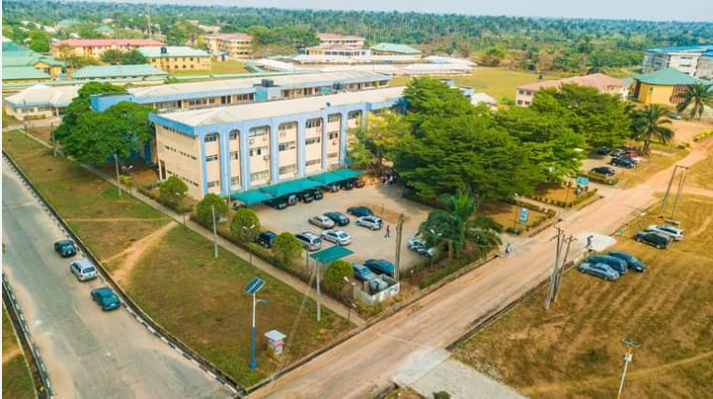
Overview of Delta State University
Delta State University, located in Cleveland, Mississippi, serves as a key educational institution in the Mississippi Delta. With over 2,000 students, DSU offers a personalized educational experience, supported by a low student-to-faculty ratio of 11:1, ensuring individualized attention. The university’s mission is to develop well-rounded professionals who are not only academically capable but also critical thinkers and responsible citizens. DSU emphasizes the importance of cultural understanding, intellectual growth, and personal responsibility, preparing students for both professional success and global citizenship. DSU provides a broad array of undergraduate and graduate programs across disciplines such as business, technology, nursing, arts, and humanities. As a public institution, Delta State is committed to delivering accessible, high-quality education to both in-state and out-of-state students. Faculty members are dedicated to mentoring students, offering guidance through research opportunities and internships to deepen their expertise. This student-centered approach, combined with an interdisciplinary academic environment, challenges students to think critically and engage with the broader world. DSU’s dynamic academic structure equips students with the knowledge, skills, and experiences needed to excel in their chosen careers and contribute meaningfully to their communities.
Areas of Study
One of the highlights of Delta State University is the diversity of its academic offerings. The university boasts a variety of undergraduate and graduate programs, each designed to equip students with the knowledge, skills, and experiences needed to succeed in their chosen careers. Below is an in-depth look at DSU programs they offer.
Undergraduate Programs
- Biology: This program explores the life sciences, focusing on cellular biology, genetics, ecology, and evolution. Students prepare for careers in fields such as medical research, environmental science, and public health, with a solid grounding in biological principles and laboratory techniques.
- Chemistry: The Chemistry program offers an in-depth study of chemical processes, laboratory techniques, and material sciences. Students gain hands-on experience and are prepared for careers in pharmaceuticals, forensic science, laboratory research, and environmental science.
- English: The English program develops critical writing, reading, and analytical skills. Students focus on literature, creative writing, and communication, preparing them for careers in publishing, journalism, content creation, and any field that demands strong written and verbal communication abilities.
- Psychology: This program dives into the scientific study of the mind and human behavior. It prepares students for careers in healthcare, counseling, research, or human resources, providing them with skills in psychological assessment, research methodologies, and human interaction.
- Accounting: The Accounting program trains students in financial reporting, auditing, taxation, and finance management. By mastering accounting principles and gaining practical experience, students are prepared to succeed in various financial professions such as accounting, auditing, and financial analysis.
- Commercial Aviation: This program combines flight training with aviation business management principles. Students are equipped to become pilots or aviation professionals, learning not only the technical aspects of flying but also aviation operations, business strategies, and regulations in the field.
- Business Administration: The Business Administration program offers a broad overview of business operations, from marketing to management. Students gain leadership, decision-making, and organizational skills that apply across all sectors, preparing them for management roles in various industries.
- Nursing (BSN): The Bachelor of Science in Nursing program prepares students for licensure as registered nurses (RNs). Students gain both theoretical knowledge and hands-on clinical experience, equipping them to care for patients in various healthcare settings and pursue advanced practice roles in the future.
- Elementary Education: This program focuses on the skills required to teach young children, covering instructional methods, classroom management, and child development. Graduates are prepared to become elementary school educators who foster learning in early childhood and primary education settings.
- Social Work: The Social Work program provides students with the knowledge and skills to work in community development and social services. Focused on human welfare and advocacy, students are prepared for careers as social workers, case managers, and counselors in diverse community settings.
Graduate Programs
For those seeking to further their education, Delta State University also offers advanced graduate programs in several fields, including arts and sciences, business, and education.
- Master of Business Administration (MBA): Provides advanced knowledge in business principles, preparing students for leadership roles in various industries, including small businesses and large corporations.
- Aviation Management (M.S.): Focuses on the management aspects of aviation, combining leadership skills with knowledge of airline operations, air traffic control systems, and aviation law.
- Educational Leadership (M.Ed.): Prepares students for leadership positions in education, such as principals or superintendents, with a combination of theory and practical administrative skills.
- Nursing (MSN): Offers advanced clinical education for registered nurses, preparing them for roles as nurse practitioners, nurse educators, or clinical leaders.
- Biology (M.S.): Engages students in advanced biological concepts and research in areas like environmental science and medical genetics, preparing for careers in research and professional practice.
- English (M.A.): Enhances writing and literary analysis skills, providing students with the foundation for advanced scholarly work in literature, teaching, or publishing.
- History (M.A.): Focuses on historical research methodologies and advanced study of different historical periods, preparing students for roles in education, archival work, or historical research.
Campus Life: Athletics, Organizations, and Student Activities at Delta State University
Delta State University offers a dynamic and engaging campus life, fostering both academic achievement and personal development. The university is committed to providing a well-rounded experience for students, with a wide range of extracurricular opportunities to complement their educational journey.
Athletics
Delta State University’s athletic programs are integral to the student experience, with the university’s teams, known as the Statesmen and Lady Statesmen, competing in NCAA Division II. A variety of sports, including baseball, basketball, soccer, and softball, offer students the chance to participate at competitive levels. Athletics not only promote physical health but also instill teamwork, discipline, and school pride among students, creating a vibrant campus community.
Student Organizations
Delta State University provides sufficient opportunities for students to explore their interests and develop leadership skills. Academic clubs, Greek life, cultural organizations, and service-oriented groups cater to diverse interests, ensuring that every student has the opportunity to engage with others and foster personal growth. Participation in these organizations encourages leadership development, teamwork, and social responsibility.
Cultural and Educational Events
Delta State University emphasizes the importance of cultural and intellectual enrichment. The campus regularly hosts a variety of events, including art exhibits, film screenings, musical performances, and public lectures. These events create a forum for students to engage with new ideas, explore their creative talents, and broaden their perspectives on global issues. This commitment to cultural exploration plays an essential role in promoting a holistic educational experience.
Delta State University Admission Process
Delta State University has a straightforward admission process, which makes it accessible to a wide range of students. Whether applying for undergraduate or graduate programs, students must meet specific academic criteria.
Undergraduate Admissions Requirements
- High School Diploma or Equivalent: Applicants must submit proof of graduation from an accredited high school or its equivalent. This ensures that students have completed the basic educational requirements before transitioning into higher education.
- Standardized Test Scores (ACT/SAT): While ACT or SAT scores are not mandatory for general admission, they may be required for scholarship consideration or admission to specific academic programs. High scores may open additional opportunities for financial aid or specialized programs.
Graduate Admissions Requirements
- Transcripts with Minimum 2.75 GPA: Graduate applicants are required to provide official transcripts showing a minimum cumulative GPA of 2.75. This reflects a strong academic foundation and ensures the applicant is prepared for the rigor of graduate-level coursework.
- Standardized Test Scores: Some graduate programs may require standardized test scores, such as the GRE (Graduate Record Examination), to assess applicants’ readiness for graduate-level study and their potential for success in the program.
- Letters of Recommendation: Applicants may need to submit two or more letters of recommendation from individuals who can speak to their academic abilities, work ethic, or professional qualifications. These recommendations help provide insight into the applicant’s qualifications and character.
- Personal Statement: A personal statement or statement of purpose is often required, allowing applicants to outline their academic and professional goals, explain why they are interested in the program, and highlight their qualifications and experiences relevant to their chosen field.
- Resume/Curriculum Vitae (CV): Some programs may ask for a current resume or CV, detailing the applicant’s work experience, research, leadership roles, volunteer work, and other achievements that are pertinent to their graduate studies.
- Portfolio (for Certain Programs): For creative or design-focused graduate programs, a portfolio showcasing previous work may be required to demonstrate the applicant’s skills, creativity, and potential in the field.
Financial Aid, Scholarships, and Tuition at Delta State University
Delta State University provides competitive tuition rates and various options for financial aid to support students in covering their educational costs.
Tuition Cost
- Undergraduate tuition: Both in-state and out-of-state students pay a tuition fee of $4,217.50 per semester.
- Graduate tuition: The tuition rates for graduate students vary depending on residency. In-state graduate students pay $4,217.50 per semester for nine credit hours, while out-of-state students pay $500 per semester.
Beyond tuition, students are also responsible for room, board, and other related fees, which contribute to the overall cost of attendance at DSU. The total cost of attendance will vary depending on the student’s living arrangements.
Financial Aid
- Federal Financial Aid: Delta State offers a range of federal financial assistance options, including Pell Grants, which are need-based, and federal student loans, which allow students to borrow money for tuition and other educational expenses. Work-study programs are also available to help students earn money while gaining work experience.
- State-level financial aid: In addition to federal funding, Mississippi residents have access to state-specific financial aid programs, designed to assist in lowering tuition costs and making education at DSU more affordable for in-state students.
- Financial aid assistance: The financial aid package at DSU helps make higher education more accessible to students by offering various avenues for funding. The combination of state and federal financial aid programs helps offset the financial burdens students face while pursuing their degrees.
Scholarships
- Merit-based Scholarships: These scholarships are awarded to students who demonstrate exceptional academic performance, with eligibility typically based on high ACT or SAT scores and high school GPA. This encourages high-achieving students to apply and rewards their academic success.
- Athletic Scholarships: Delta State provides athletic scholarships for student-athletes based on their sports performance, helping talented individuals pursue their athletic dreams while attending college. These scholarships may cover partial or full tuition, depending on the student-athlete’s skill level and sport.
- Out-of-state Scholarships: These scholarships are specifically targeted at students from outside Mississippi to ease the cost of tuition for non-residents. These scholarships help attract students from all over the country, making DSU a more competitive choice for students nationwide.
- Scholarship coverage: Scholarships offered by DSU can cover partial or full tuition, and may also help with other associated costs such as fees or housing. These scholarships ensure that financial challenges do not prevent qualified students from pursuing a degree at DSU.
Conclusion
Delta State University’s long-standing commitment to academic excellence, its student-centered approach to education, and the wide range of extracurricular activities available make it an excellent choice for prospective students. Whether interested in pursuing a degree in the arts, sciences, business, or education, DSU provides comprehensive programs that prepare students for success in their careers and life beyond college. With affordable tuition, merit-based scholarships, and ample opportunities for financial aid, DSU makes higher education accessible for all students, allowing them to pursue their dreams while fostering a community dedicated to intellectual growth and civic responsibility.