
Fitchburg State University, established in 1894, is a respected institution based in Fitchburg, Massachusetts, known for its strong academic offerings and commitment to fostering student success. The university provides a wide range of undergraduate and graduate programs designed to meet the needs of a diverse student body. Emphasizing academic excellence, personal growth, and community engagement, Fitchburg State prepares students to excel in various professional fields. Through its robust student support services and innovative teaching methods, the university cultivates an inclusive environment that helps learners achieve their academic, professional, and personal goals, making it a prominent choice for higher education.
Overview
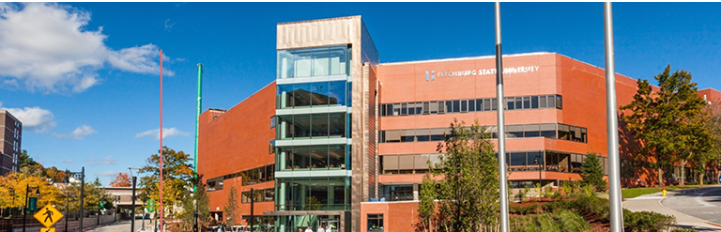
Fitchburg State University is a public, comprehensive institution situated in central Massachusetts. The university enrolls more than 3,100 undergraduate students, maintaining a student-to-faculty ratio of 13:1. Located on a scenic 45-acre campus, Fitchburg State combines traditional academic buildings with modern, state-of-the-art facilities. It has earned recognition for its strong academic programs, student services, and community engagement efforts. Fitchburg State offers over 40 undergraduate majors, numerous graduate-level programs, and extensive support systems for students. Areas of study range from business, education, and health sciences, to the social sciences and criminal justice. In addition, the university offers a vibrant campus life with a variety of clubs, athletic programs, and community activities designed to enhance the student experience. The university’s goal is to foster intellectual and personal growth by equipping students with the knowledge, skills, and experiences necessary to thrive in a rapidly changing world. It encourages the development of competencies required for professional success and active citizenship.
Academic Programs at Fitchburg State University
Undergraduate Programs
Fitchburg State offers an impressive selection of undergraduate programs designed to equip students with the practical skills, knowledge, and experiences needed in today’s workforce. Some of the highlighted areas include:
- Biology (B.S.): Specializations in areas like Environmental Biology and Health Sciences prepare students for diverse careers in healthcare, research, and environmental fields.
- Chemistry (B.S.): Offers foundational training in chemical principles and laboratory applications.
- Computer Science (B.S.): Includes concentrations in Game Programming and Cybersecurity, helping students prepare for work in the growing tech industry.
- Psychology (B.A.): Focus on both theoretical and applied psychology in areas such as human behavior and mental health.
- Business Administration (BBA): Concentrations include accounting, management, and marketing. Students gain a solid business foundation to prepare for leadership roles in organizations.
- Communications Media (B.A.): Offers majors in film/video production, game design, and professional communication, equipping students to excel in media-related industries.
- Economics (B.A.): Develops a strong understanding of economic theory, along with practical applications.
- Early Childhood Education (B.A.): Offers courses that prepare students to teach children in preschool settings.
- Elementary and Secondary Education (B.A.): Prepares future teachers to educate students in various subjects across different age groups.
- Nursing (BSN): Equips students with the clinical skills necessary to enter the nursing profession.
- Health Sciences (B.S.): Includes pre-professional tracks for medicine, dental, and veterinary studies.
Graduate Programs
For students seeking to further their education and career, Fitchburg State offers several graduate programs tailored to a broad range of interests and professional pathways:
- Master of Education (M.Ed.): Offers concentrations in curriculum and teaching, special education, and educational leadership.
- Certificate of Advanced Graduate Study (CAGS) in Education: A post-master’s certificate designed for experienced educators seeking additional credentials or expertise in their field.
- MBA: Provides concentrations such as management, healthcare management, and accounting, preparing students for leadership roles in various business sectors.
- Master of Science in Computer Science (MSc.): Offers concentrations in applied computer science and data science, advancing skills for careers in technology and analytics.
- MS in Nursing (Family Nurse Practitioner): Allows nurses to specialize in family healthcare, meeting increasing demand for nurse practitioners.
- MS in Criminal Justice: Offers tracks in leadership and forensic criminology, ideal for those looking to pursue careers in law enforcement or criminal justice policy.
These graduate programs are designed to provide students with specialized knowledge and professional skills in order to enhance their career prospects or transition to new fields of expertise.
Campus Life and Extracurricular Activities
Fitchburg State is not just about academics; it also offers a vibrant campus life. Students at Fitchburg State benefit from a variety of clubs, organizations, and athletic opportunities that help them foster friendships, develop leadership skills, and explore interests outside the classroom.
Sports and Athletics
The university’s athletics program is robust, with multiple men’s and women’s teams competing in NCAA Division III. Students can participate in sports such as basketball, soccer, volleyball, and cross-country. These sports teams help to promote a sense of school pride and teamwork, while giving athletes the chance to showcase their skills at a competitive level.
Clubs and Student Organizations
There are more than 45 student organizations at Fitchburg State, covering a wide range of interests. Whether students are passionate about art, politics, community service, or social justice, there is a group to match every interest. Notable organizations include the Student Government Association, various academic honor societies, and interest-based clubs focused on everything from entrepreneurship to environmental advocacy.
Fraternities and Sororities
Fitchburg State also features Greek life with multiple fraternities and sororities. These organizations encourage networking, leadership development, and social engagement, while also providing numerous service opportunities within the university and surrounding community.
Fitchburg State University Admissions
Fitchburg State University has a relatively straightforward admissions process, but like many other universities, prospective students are expected to meet certain criteria for consideration. Below is an overview of the general admissions requirements:
Undergraduate Admissions
- Application: Prospective students must submit an online application via the university website or the Common Application.
- High School GPA and Test Scores: Most undergraduate programs require a minimum high school GPA (typically 2.5 or higher) and standardized test scores (such as SAT or ACT).
- Letters of Recommendation and Essays: Some programs may require a personal essay and letters of recommendation.
Graduate Admissions
- Graduate students are required to hold a bachelor’s degree from an accredited institution and submit an official transcript.
- Application requirements vary by program, but most graduate programs also ask for recommendations, a statement of purpose, and a resume.
- Some specialized programs may require GRE (Graduate Record Examination) scores, though many programs have made this optional for admission.
Tuition, Scholarships, and Financial Aid
Tuition Cost
- Undergraduate Tuition: Undergraduate tuition at Fitchburg State University is $970 per year for Massachusetts residents. For out-of-state students, the tuition is $7,050 annually. These figures are specific to tuition costs and do not include additional expenses such as room and board, books, and personal expenses.
- Graduate Tuition: Graduate students at Fitchburg State pay $195 per credit. The overall cost of graduate education will depend on the number of credits taken and the specific program chosen.
Financial Aid
- Federal Grants: Fitchburg State offers Federal Pell Grants to undergraduate students who meet specific eligibility criteria based on their FAFSA submissions. These grants provide financial aid to students who demonstrate a significant financial need and do not need to be repaid.
- State Financial Aid (Massachusetts State Grants): Massachusetts state grants are available to eligible students residing in the state. These need-based funds are awarded based on the student’s FAFSA submission and aim to assist with the cost of tuition and other educational expenses for residents of Massachusetts.
- Federal Student Loans for Graduate Students: Graduate students are eligible for federal student loans, which can help cover tuition, fees, and other costs. Loan repayment begins after the student graduates or falls below half-time enrollment status, with a range of repayment options available.
- Graduate Assistantships: Graduate students may qualify for assistantships, which provide financial support in exchange for assisting faculty members with teaching or research. These positions offer a valuable opportunity to gain experience while helping to fund one’s education.
- Research Fellowships for Graduate Students: Graduate students engaged in research may be eligible for fellowships, which provide financial assistance in return for contributing to specific research projects. These fellowships provide an avenue for both financial support and academic professional growth.
Scholarships
The university offers a range of merit-based scholarships for undergraduate students, including:
- Presidential Scholarships: These scholarships are granted to undergraduate students who maintain a GPA of 3.6 or higher. They are intended to recognize and support students who demonstrate exceptional academic performance, helping to alleviate the cost of their education.
- Dean’s Scholarships: Offered to students who exhibit outstanding academic achievement. These scholarships are highly competitive and acknowledge students who consistently excel in their academic endeavors, contributing significantly to the university’s scholarly community.
- Need-Based Scholarships: These scholarships are awarded based on a student’s financial need, as determined by the information provided on the FAFSA. They aim to provide financial assistance to students who require support to pursue their educational goals, fostering accessibility for individuals from diverse economic backgrounds.
Conclusion
Fitchburg State University is an ideal choice for students looking for a high-quality, affordable education within a dynamic and supportive community. The university offers a wide range of undergraduate and graduate programs, catering to students with diverse academic and professional interests. With a rich campus life, a focus on student success, and ample financial aid options, Fitchburg State provides the tools students need to succeed both in their academic pursuits and future careers. The combination of rigorous academics, a welcoming campus culture, and a commitment to community engagement offers students an enriching and comprehensive experience. Whether looking to gain technical skills in computer science, explore the arts, or deepen one’s expertise in fields such as education, business, or health sciences, Fitchburg State offers something for everyone. By choosing Fitchburg State, students are not only investing in their education, but also preparing themselves for leadership and innovation in a rapidly changing world.