
Clark University, established in 1887 in Worcester, Massachusetts, is a private research institution renowned for its commitment to liberal arts education, research, and community engagement. With a legacy of academic excellence and a forward-thinking approach, Clark cultivates an inclusive environment where students are encouraged to challenge conventional thinking and address global challenges. Its personalized academic structure and diverse offerings make it a top choice for students seeking a comprehensive educational experience.
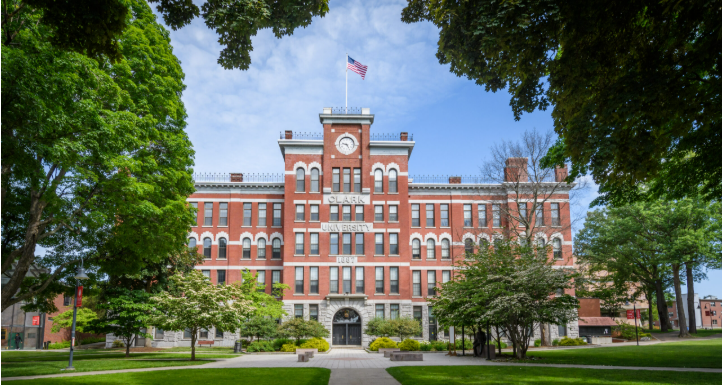
Overview
Clark University is a small but prestigious institution recognized for its emphasis on liberal arts and its robust graduate programs. The university serves approximately 3,000 undergraduate and 1,200 graduate students from various cultural and geographic backgrounds. Located in Worcester, a vibrant city that blends history with modernity, Clark provides students with access to countless professional and personal opportunities. The university operates under the motto “Challenge Convention. Change Our World,” reflecting its commitment to innovation and social responsibility. With state-of-the-art facilities, dynamic faculty, and an array of student organizations, Clark ensures a well-rounded educational experience that prepares students for successful careers and meaningful lives.
Clark University Academic Programs and Majors
Clark University offers a diverse array of undergraduate (UG) and graduate (GR) degree programs designed to meet the evolving needs of students. Below is a detailed list of some key programs:
Undergraduate Programs
- B.A. in Psychology: This program delves into the study of human behavior and mental processes, combining theoretical foundations with practical applications. It prepares students for careers in counseling, research, or further studies in psychology or related fields.
- B.A. in Biology: Focused on the study of living organisms, their physiology, and ecological systems, this degree prepares students for careers in health sciences, biological research, and environmental biology by providing a strong scientific foundation.
- B.A. in Business Management: This comprehensive program covers essential topics like finance, marketing, and leadership. It equips students with the skills necessary for roles in corporate management, entrepreneurship, or any industry requiring business acumen.
- B.S. in Computer Science: This degree offers intensive training in programming, algorithms, and software development, preparing students for careers in the technology industry or advanced studies in computing and data science.
- B.A. in Political Science: Through the study of governments, public policies, and global politics, this program prepares students for careers in public administration, law, diplomacy, or further study in international relations and political theory.
- B.A. in Environmental Science: Integrating natural sciences with environmental policy, this program prepares students for careers in conservation, sustainable development, or environmental policy by combining scientific knowledge and advocacy.
- B.A. in English: Students develop skills in literature, critical reading, and communication. This program opens career opportunities in writing, publishing, teaching, or other fields requiring strong writing and analytical abilities.
- B.A. in Economics: This program offers a deep understanding of economic theories, market structures, and financial strategies. Graduates are well-prepared for roles in finance, policy-making, and business analysis.
Graduate Programs
- M.B.A. (Master of Business Administration): This advanced program builds leadership and strategic thinking skills, equipping students with the tools needed for success in executive roles within diverse industries.
- M.P.A. (Master of Public Administration): Geared toward those seeking leadership roles in public service or nonprofit sectors, this program emphasizes policy-making, organizational management, and public sector leadership.
- Ph.D. in Psychology: This rigorous program trains students in advanced research and specialized areas of psychology, such as cognitive, developmental, or clinical, preparing them for careers in academia or advanced research positions.
- M.S. in Data Analytics: Students gain expertise in statistical analysis, machine learning, and computational techniques, making them ready for roles in the growing field of data science and data-driven decision-making.
- M.A. in International Development: Focused on global development challenges, this program combines policy analysis and project management, preparing students to work in global organizations and tackle socio-economic issues.
- Ph.D. in Geography: This advanced research program offers an in-depth study of spatial systems and human-environment interactions, preparing students for academic or governmental roles in geography and environmental studies.
- M.S. in Environmental Science and Policy: An interdisciplinary program, it combines scientific knowledge with policy-making, preparing graduates to address complex environmental challenges in government, private sector, or advocacy work.
- M.A. in Teaching (MAT): Designed for aspiring educators, this program offers the skills and training necessary to teach in diverse classroom environments, focusing on curriculum development, pedagogy, and classroom management.
Campus Life: Clubs, Sports, and Extracurricular Activities
Clark University boasts a vibrant campus life that encourages students to pursue their passions beyond academics. From athletics to arts, the university fosters an environment of exploration and community.
Clubs and Organizations
At Clark University, students have the opportunity to join a wide range of clubs and organizations that cater to diverse interests. These include academic societies, cultural groups, and special interest clubs, fostering a vibrant and inclusive campus environment. Students can participate in clubs such as the Clark Sustainability Collaborative, which promotes environmental awareness and sustainable practices. The Black Student Union provides a space for students to engage with African-American culture and address community issues, while the International Students Association helps students from around the globe connect, share experiences, and celebrate cultural diversity. With so many options, students are encouraged to explore their passions and build lasting connections with their peers.
Athletics
The Cougars compete in NCAA Division III sports such as basketball, soccer, and swimming. The university provides students the chance to participate in competitive athletics at the collegiate level while emphasizing the values of teamwork, dedication, and sportsmanship. For those seeking more recreational and social forms of physical activity, the intramural sports programs offer options for students of all skill levels, ensuring that every student can participate in fun, non-competitive games. Whether through competition or relaxation, athletics play a key role in fostering school spirit and maintaining an active, healthy lifestyle on campus.
Arts and Culture
Clark University thrives in fostering a thriving creative community through its arts and culture programs. The campus hosts a variety of cultural events and creative performances, offering students avenues to express themselves and engage with the artistic scene. These include regular theater performances, art exhibitions, and musical concerts, which allow students to showcase their talents or appreciate the work of fellow peers. The university’s support for arts and culture not only enriches the educational experience but also provides students with opportunities for personal growth, creativity, and artistic expression.
Community Engagement
Clark University is deeply committed to making a positive impact in the local community. The Community Engagement and Volunteering Center plays a vital role by connecting students with service opportunities that address pressing community needs. Through partnerships with local organizations, students are able to contribute their time and skills to meaningful volunteer efforts, whether it’s tutoring underserved youth, helping in food banks, or supporting local environmental projects. This culture of community service enhances students’ personal development while making a significant difference in the Worcester area. The emphasis on giving back strengthens the sense of responsibility and community among Clark students.
Clark University’s Admissions
Clark University’s admissions process is selective but holistic, assessing applicants’ academic achievements, extracurricular involvement, and personal attributes. Here’s a step-by-step overview:
Undergraduate Admission Requirements:
- Submit high school transcripts: Applicants must provide their official high school transcripts, which detail their academic achievements and performance over the course of their secondary education.
- Two letters of recommendation: Applicants should submit two letters of recommendation, ideally from teachers or mentors who can speak to the student’s academic ability, character, and potential for success.
- Personal Statement: A personal essay is required where students can express their motivations for attending Clark University, their goals for higher education, and how their past experiences have shaped their future aspirations.
- SAT/ACT scores: Clark University has a test-optional policy for most undergraduate applicants, so SAT or ACT scores are not required but can be submitted if the student believes it adds value to their application.
- Interview: While not mandatory, interviews are encouraged as a way for applicants to present themselves beyond the written materials and discuss their background, goals, and motivations.
Graduate Admission Requirements:
- Application: Graduate applicants must complete their applications through Clark University’s own application portal, with all program-specific details provided for the candidate to follow.
- Undergraduate transcripts: Applicants need to submit their official undergraduate transcripts, showcasing their academic background and preparation for graduate-level coursework.
- Letters of recommendation: Two letters of recommendation are required, typically from professors or supervisors who can provide a perspective on the applicant’s skills, capabilities, and readiness for advanced study.
- Personal Essay: A personal statement is necessary where the applicant outlines their reasons for pursuing graduate education, including their goals and how the program fits with their professional ambitions.
- Standardized test scores: Certain graduate programs may require standardized test scores such as the GRE or GMAT, but this depends on the specific program.
- Interview: An interview for additional insight into the applicant’s background and goals: Interviews are optional but recommended for graduate candidates to provide a deeper, personal insight into their experience, goals, and fit for the program.
Tuition and Fees
- Undergraduate Tuition Fee: The undergraduate tuition fee at Clark University is set at $59.680 per year, covering the cost of academic instruction and resources. This amount does not include additional fees such as room, board, or personal expenses.
- Graduate Tuition Fee: Graduate tuition varies depending on the specific program. For instance, the M.B.A. program costs approximately $5,100 per credit.
Scholarships
- Presidential Scholarship: This prestigious scholarship covers full tuition, on-campus housing, and meal plan for all four years of study. It requires a separate application, emphasizing academic excellence and leadership potential.
- Liberal Education and Effective Practice (LEEP) Scholarship: Awarded to students who demonstrate exceptional academic performance and leadership capabilities. The LEEP scholarship recognizes students who are committed to shaping communities and making a positive impact.
- Graduate Scholarships: Clark University offers various merit-based scholarships for graduate students. These scholarships are designed to assist students in specific programs and are awarded based on the student’s achievements and program eligibility.
Financial Aid
- Need-Based Aid: Clark University offers need-based financial aid, which is determined by completing the Free Application for Federal Student Aid (FAFSA). The FAFSA evaluates family income and other financial factors to offer support to students in need.
- Federal Work-Study: The Federal Work-Study program allows eligible students to earn money by working part-time on-campus jobs. This financial aid option helps students reduce their overall education expenses while gaining valuable work experience.
- Veterans Benefits: Clark University participates in the Yellow Ribbon Program, offering financial assistance to military veterans and their families. This program is designed to bridge the gap between federal benefits and the cost of tuition, easing the financial burden on veterans.
Conclusion
Clark University’s dedication to academic excellence, community engagement, and student support makes it a standout institution for higher education. The university’s diverse programs cater to a wide range of interests and career goals, ensuring every student finds their path to success. With its holistic admissions process, Clark seeks to identify individuals who bring unique perspectives and a commitment to positive change. Beyond academics, the vibrant campus life, extensive extracurricular opportunities, and commitment to sustainability create an enriching environment that prepares students for the complexities of a globalized world. Additionally, Clark’s financial aid programs and scholarships make it accessible to students from all economic backgrounds. Choosing Clark University means joining a community where innovation, inclusivity, and excellence converge. It’s not just an education—it’s an experience that shapes futures and empowers individuals to make a difference.