
Purdue University, founded in 1869, is a well-regarded public research university located in West Lafayette, Indiana. Named after its benefactor, John Purdue, the university is known for its strong focus on academic excellence and innovation. Purdue offers a wide variety of undergraduate and graduate programs, promoting practical learning alongside academic studies. The university’s commitment to research and global engagement makes it a top choice for students who are eager to pursue meaningful careers in various fields.
Overview
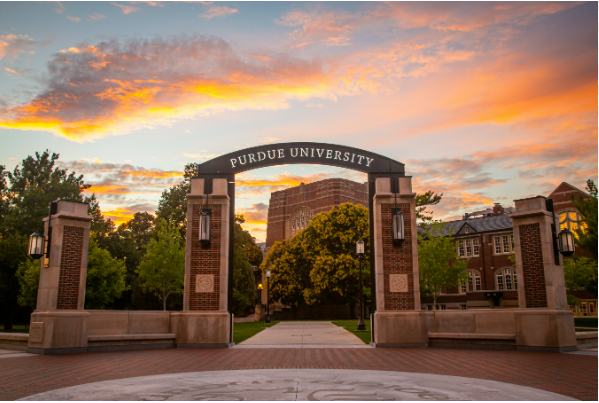
Purdue’s campus in West Lafayette offers a supportive environment for both academic and personal growth. The campus features state-of-the-art facilities, including modern research centers, libraries, and study areas. It is designed to encourage collaboration and connections between students, faculty, and staff. The university offers numerous student organizations and extracurricular activities, giving students opportunities for leadership and personal development. Purdue University maintains a strong academic environment with a student-to-faculty ratio of approximately 13:1, ensuring personalized attention and meaningful interaction between students and faculty members. The university employs a diverse and highly qualified faculty who are committed to providing a high-quality education.
Purdue University Academics and Majors
Purdue offers a broad selection of academic programs, with more than 200 undergraduate majors and over 100 graduate programs. This wide range of options provides students with the flexibility to pursue their academic and professional interests in various fields of study.
Undergraduate Majors:
- Aeronautical and Astronautical Engineering (BS): This program focuses on the design, development, and testing of aircraft and spacecraft. Students gain in-depth knowledge in aerodynamics, propulsion, control systems, and materials, preparing for careers in aerospace industries.
- Agricultural Economics (BS): Combining economic principles with agricultural practices, this major addresses issues in food production, resource management, and sustainability. Students learn to analyze agricultural markets, policy, and trends, readying them for roles in business and agriculture sectors.
- Biological Sciences (BS): A comprehensive study of living organisms, this program covers genetics, ecology, microbiology, and biochemistry. Students develop skills for careers in research, healthcare, environmental science, and biotechnology.
- Computer Science (BS): This major teaches software development, programming, algorithms, and systems analysis. Students acquire skills in designing and optimizing complex systems, making them ideal candidates for careers in tech industries like AI and cybersecurity.
- Nursing (BSN): The Nursing program offers clinical and theoretical training, preparing students to become registered nurses. Students engage in hands-on patient care and coursework in anatomy, nursing theory, and clinical practice across healthcare settings.
- Supply Chain Information and Analytics (BS): Focusing on logistics, operations, and data management, this major teaches how to optimize supply chains. Students are equipped for roles in business operations, logistics, and management across industries.
Graduate Majors
- Electrical and Computer Engineering (MSE, PhD): Advanced study in electrical systems, computer hardware, and software. Students dive into specialized fields like communications, signal processing, and microelectronics, preparing for roles in research and development.
- Food Science (MS, PhD): This program covers the chemistry, microbiology, and engineering of food, focusing on improving food safety and quality. Graduates pursue careers in food production, safety regulation, and product development.
- Industrial-Organizational Psychology (MA, PhD): Students apply psychological principles to improve employee performance and well-being in workplace settings. Topics include motivation, leadership, and personnel management, leading to careers in HR and organizational development.
- Materials Engineering (MSE, PhD): This major studies the properties, applications, and behavior of materials used in technology and manufacturing. Students prepare for careers in various industries, such as electronics, manufacturing, and biomedical engineering.
- Public Health (MPH): Focusing on population health, disease prevention, and health policy, this program prepares students to address public health challenges at community and global levels. Graduates work in government, NGOs, and health-related research.
- Strategic Communication (MA): Students in this program learn to craft effective communication strategies for organizations, focusing on media relations, branding, and crisis communication. The degree prepares graduates for leadership roles in public relations, marketing, and corporate communications.
Campus Life at Purdue University: Sports, Clubs, and Activities
Purdue’s campus life is vibrant and diverse, offering students numerous opportunities to engage beyond the classroom. The university boasts over 1,000 student organizations, including academic clubs, cultural associations, and special interest groups, fostering a sense of community and personal development.
Student Organization
Purdue University provides a diverse and inclusive environment with over 1,000 student organizations across a variety of interests. These organizations range from cultural groups, such as the Black Cultural Center, to academic societies dedicated to specific disciplines. The Purdue Student Government allows students to take active roles in university governance and advocate for their peers. Membership in these organizations helps students develop leadership skills, build relationships with others who share similar interests, and create strong networks that can benefit them both during their studies and after graduation. By engaging in these organizations, students can participate in events, outreach programs, and projects that enhance their personal and professional development, fostering a sense of community and connection on campus. Whether focused on academic development, service, or social activities, these student organizations provide vital experiences that contribute to the holistic college experience at Purdue.
Campus Events
Throughout the year, the university organizes various events, including career fairs, guest lectures, and cultural festivals. These events are designed to expose students to diverse ideas, provide platforms for learning, and facilitate networking opportunities. Career fairs, in particular, give students direct access to potential employers, allowing them to learn more about career paths in industries ranging from engineering to business. Guest lectures, often delivered by professionals and experts from around the world, inspire intellectual discussion and provide real-world insights. Cultural festivals promote inclusivity by celebrating different cultures and traditions, offering students a chance to learn from one another’s unique backgrounds. By participating in extracurricular activities, students at Purdue gain valuable life experiences, make meaningful connections, and develop skills that complement their academic pursuits.
Sports and Athletics
Sports are a vital part of Purdue University’s culture and an exciting aspect of student life. Known as the Boilermakers, Purdue’s athletic teams compete in the NCAA Division I Big Ten Conference, where they showcase top-tier talent in a variety of sports. With a broad selection of athletic programs, including football, basketball, volleyball, and more, Purdue provides students with numerous opportunities to get involved, whether as athletes, fans, or supporters. Watching games at iconic venues such as Ross-Ade Stadium (football) and Mackey Arena (basketball) creates an energetic, spirited atmosphere on campus, enhancing the overall student experience. Beyond the high-profile sports, Purdue also offers intramural leagues and recreational activities for students who want to stay active. The emphasis on athletics promotes school spirit, teamwork, and physical well-being, while also contributing to the university’s vibrant campus culture. Whether competing at the highest levels or cheering on friends, students at Purdue enjoy a dynamic sports environment that fosters school pride and connection.
Admissions at Purdue University
Admission to Purdue University is highly competitive, and the university looks for students who show strong academic performance, leadership skills, and a dedication to community service.
Undergraduate Admissions
- Strong high school academic record: Students should have completed coursework in core subjects, such as math, science, English, and social studies. A solid GPA is often a crucial factor.
- Standardized test scores (SAT or ACT): These are considered, but Purdue has adopted a test-flexible policy, meaning students can choose whether to submit their scores.
- Extracurricular involvement: Active participation in extracurricular activities like sports, clubs, or community service can enhance the application, showcasing leadership and engagement.
- Personal essays: The admissions team values personal essays that give insight into an applicant’s character, goals, and motivations for choosing Purdue.
Graduate Admissions
- Bachelor’s degree: Applicants must hold a completed bachelor’s degree with a strong academic record from a regionally accredited institution.
- GRE scores : Some graduate programs may require the Graduate Record Examination (GRE) scores, though certain programs may waive this requirement.
- Letters of recommendation: Most programs ask for 2-3 letters of recommendation from individuals familiar with the applicant’s academic or professional capabilities.
- Statement of purpose: Applicants must submit a statement explaining their academic interests, career goals, and why they are applying to Purdue. Relevant work or research experience may also be considered for certain programs.
Purdue University Tuition, Scholarships, and Financial Aid
Tuition Cost
- Undergraduate Students: For undergraduate students, Indiana residents pay approximately $9,992 in tuition and fees per academic year, while non-residents face a tuition and fee cost of around $28,794 per academic year.
- Graduate Students: For graduate students, Indiana residents pay approximately $9,992 in tuition and fees per academic year, while non-residents have a tuition and fee cost of about $28,794 per academic year.
Scholarships
Purdue offers a variety of scholarships to support students financially.
- Merit-Based Scholarships: These scholarships are awarded to students based on their outstanding academic achievements, such as high GPA, test scores, or academic performance. They are highly competitive and recognize the dedication and excellence in students’ studies.
- Need-Based Scholarships: These scholarships are granted based on a student’s financial need. The amount awarded is determined through a financial aid application, ensuring students who require assistance to pay for their education can receive support.
- Departmental Scholarships: These scholarships are specific to particular colleges, schools, or majors at Purdue. They may be awarded based on both merit and need and are designed to support students pursuing specialized academic interests or programs.
Financial Aid
Purdue’s Division of Financial Aid provides a comprehensive service to help students find financial support for their education.
- Grants: These are need-based awards that students do not have to repay. They can be federal or state-sponsored, helping ease the financial burden for students from low-income families.
- Loans: Loans are borrowed funds that must be repaid with interest after graduation or when the student drops below half-time enrollment. Purdue offers both federal and private loan options to help students fund their education, with varying terms and repayment options.
Conclusion
Purdue University is recognized for its academic excellence and research innovation, offering a diverse array of undergraduate and graduate programs that promote both academic and professional development. The institution’s distinguished faculty, state-of-the-art facilities, and comprehensive academic resources create an environment conducive to intellectual growth. In addition to its academic strengths, Purdue’s vibrant campus life fosters a sense of community, providing students with opportunities to engage in extracurricular activities and develop well-rounded skills. The university’s emphasis on interdisciplinary collaboration prepares students to tackle challenges in an ever-evolving world. Through various financial aid options, competitive tuition, and a selective admissions process, Purdue ensures that higher education remains accessible to students from a range of economic backgrounds.