
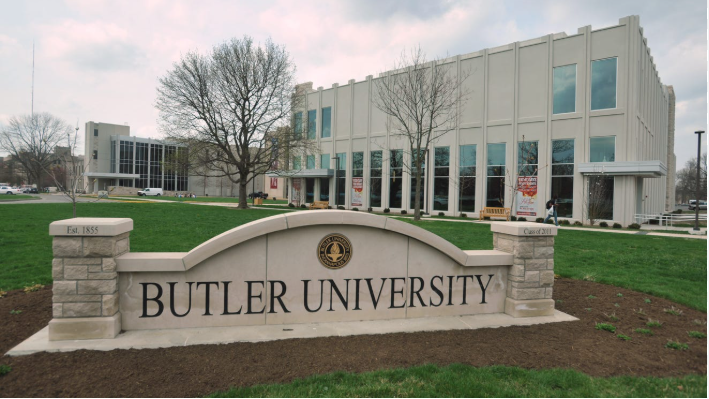
Butler University, founded in 1855, stands as a leading private institution in Indianapolis, Indiana, offering an enriching educational experience. The university is known for its dedication to academic excellence, cultivating a diverse and inclusive learning community. Butler equips students with the skills and knowledge to excel in their chosen fields. Beyond academics, the university promotes a culture of involvement through internships, community engagement, and leadership opportunities.
Overview
Butler University, located just five miles from downtown Indianapolis, provides students with a blend of academic rigor and community involvement. The university has grown to offer more than 60 majors across six colleges, catering to a variety of academic and professional fields. With an enrollment of approximately 5,700 students, Butler boasts a student-to-faculty ratio of 11:1, enabling a personalized educational experience. The campus is spread across 295 acres, providing a scenic setting for students to engage in learning, athletics, and extracurricular activities. The university’s emphasis on experiential learning fosters growth in academics, career readiness, and social impact.
Butler University Academics and Majors
Butler University offers a comprehensive array of undergraduate and graduate programs designed to provide students with a well-rounded education and prepare them for successful careers.
Undergraduate Majors
- Humanities, Social Sciences, and Natural Sciences (B.A./B.S.): Encompasses more than 50 disciplines, including psychology, biology, sociology, and environmental science, fostering critical thinking and scholarly research.
- Accounting (B.S.): Provides comprehensive training in financial reporting, auditing, tax regulations, and budgeting, preparing graduates for roles in corporate or public accounting.
- Finance (B.S.): Offers in-depth knowledge of investment strategies, corporate finance, and financial analysis, equipping students for careers in financial planning or asset management.
- Marketing (B.S.): Focuses on advertising, market analysis, and brand management, preparing students for strategic roles in digital marketing, sales, and promotional campaigns.
- Journalism (B.A.): Develops expertise in reporting, editing, and multimedia production, preparing graduates for impactful careers in media and communication sectors.
- Strategic Communication (B.A./B.S.): Emphasizes corporate communication, public relations, and digital media strategies, equipping graduates to lead communication initiatives.
- Media Studies (B.A.): Analyzes the production, role, and impact of digital media, film, and broadcasting, preparing students for creative or analytical careers in media industries.
- Elementary Education (B.S.Ed.): Prepares graduates to educate and nurture young learners through effective teaching methodologies and curriculum design.
- Special Education (B.S.Ed.): Equips students with specialized techniques to support and teach individuals with diverse learning needs or disabilities.
- Secondary Education (B.S.Ed.): Focuses on training educators to teach specific content areas at the middle or high school levels, emphasizing effective pedagogy and leadership.
- Pharmacy (Pharm.D.): Prepares students with advanced knowledge in medication therapy, patient care, and healthcare systems for professional practice as licensed pharmacists.
- Health Sciences (B.S.): Provides foundational knowledge in public health, wellness, and biomedical science, preparing graduates for healthcare careers or further education.
- Physician Assistant Studies (B.S.): Trains students to provide medical services under physician supervision, including diagnostic assessments and patient care.
- Art (B.F.A.): Offers intensive study in visual arts, including painting, sculpture, and design, for careers in professional artistic and creative fields.
- Dance (B.F.A.): Provides professional training in dance performance, choreography, and technique, preparing graduates for careers in performance or education.
- Music (B.M.): Focuses on theoretical study, performance, and composition, equipping students for professional roles in music as performers, educators, or composers.
- Theatre (B.F.A.): Offers professional-level training in acting, directing, and production design, preparing graduates for careers in theatre, entertainment, and the performing arts.
Graduate Programs
- Biology (M.S.): Focuses on advanced topics in biological sciences such as genetics, ecology, microbiology, and biochemistry, preparing students for research or healthcare roles.
- Chemistry (M.S.): Provides advanced knowledge in organic, inorganic, physical, and analytical chemistry, preparing students for careers in research, pharmaceuticals, or academic fields.
- Data Analytics (M.S.): Emphasizes data collection, analysis, and interpretation using modern technologies and tools, preparing students for data-driven roles in business, technology, or healthcare sectors.
- MBA (Master of Business Administration): Offers specialized business knowledge with focus areas in areas such as marketing, finance, management, and entrepreneurship, preparing students for leadership roles.
- Strategic Communication (M.A.): Advanced coursework focused on corporate communication, media strategies, and brand management, aimed at professionals in leadership or consulting roles in communication fields.
- Media Studies (M.A.): Offers in-depth analysis of media technologies, production, and their societal impacts, preparing students for leadership positions in media industries or academic research.
- School Counseling (M.Ed.): Prepares professionals to provide counseling services in schools, focusing on career guidance, academic development, and emotional well-being of students.
- Mental Health Counseling (M.Ed.): Focuses on psychological theories and therapeutic practices to prepare students for careers as mental health counselors in clinical, community, and private practice settings.
- Pharmacy (Pharm.D.): Provides advanced knowledge and training to prepare students for licensed pharmacists who can offer patient care, medication management, and drug therapy expertise.
- Physician Assistant Studies (M.P.A.S.): A graduate-level program that prepares students to work as physician assistants, assisting in diagnosis and patient care under the supervision of licensed physicians.
- Music (M.M.): Advanced study in music performance, composition, music education, or music therapy, offering training for professional musicians or educators.
- Theatre (M.F.A.): Advanced coursework in acting, directing, stage management, or theatrical design, preparing students for careers in professional theatre or higher education.
Campus Life at Butler University
Butler University offers a vibrant and inclusive campus environment that nurtures student involvement, personal growth, and a strong sense of community. From engaging in sports and clubs to participating in Greek life, students have numerous opportunities to develop academically, socially, and professionally.
Sports and Athletics
The Butler Bulldogs represent the university in NCAA Division I athletics, fostering a dynamic sports culture. Butler’s basketball program is a cornerstone of campus pride, drawing attention with its competitive performance and dedicated fan base. In addition to basketball, students can engage in a variety of sports, including soccer, track and field, and cross-country. These programs emphasize teamwork, discipline, and school spirit, providing a unifying experience for students, alumni, and the surrounding community. Athletic events on campus are vibrant gatherings that showcase the university’s strong commitment to sports and wellness.
Clubs and Activities
With over 150 student organizations, Butler offers extensive opportunities for students to explore their passions and connect with peers who share their interests. Academic clubs allow students to deepen their knowledge in specific fields, while cultural organizations celebrate diversity and promote inclusivity. Service-oriented groups enable students to give back to the community and develop a sense of social responsibility. Leadership roles within these organizations further help students gain valuable skills that are transferable to their future careers. Whether it’s joining the debate team, participating in theatre productions, or contributing to sustainability initiatives, students at Butler can enrich their college experience in meaningful ways.
Greek Life
Greek life plays an integral role in Butler’s campus culture, with more than 35% of undergraduates involved in fraternities and sororities. These organizations offer opportunities for leadership, philanthropy, and social interaction. Members benefit from networking opportunities, lifelong friendships, and participation in impactful community service projects. Greek life fosters a sense of belonging and camaraderie, making it an essential component of the Butler experience for many students.
Butler University Admissions: What It Takes to Get In
Admission to Butler University is competitive, with the university seeking students who demonstrate academic excellence, leadership potential, and a commitment to community involvement.
Undergraduate Admissions
Prospective undergraduate students should submit the following:
- Application: Complete the Online Application Form
Students begin the process by completing the online application form available on the Butler University admissions website. This step provides basic information about the applicant, including academic background, extracurricular involvement, and intended area of study. - High School Transcript: Applicants must submit official high school transcripts showcasing their academic performance, including coursework, grades, and any honors or advanced classes. These transcripts should be sent directly from the school to ensure accuracy and authenticity.
- Standardized Test Scores: Submission of standardized test scores, such as the SAT or ACT, is required for evaluation. These scores offer insight into the applicant’s academic preparedness and performance in key subjects like math, reading, and writing.
- Letters of Recommendation: Applicants are required to provide two letters of recommendation written by teachers or school counselors. These letters should highlight the applicant’s character, academic abilities, and potential for success in college.
- Personal Essay: The personal essay is a chance for applicants to express their individuality by sharing meaningful experiences, challenges overcome, or future goals. It allows the admissions committee to gain a deeper understanding of the student beyond grades and scores.
Graduate Admissions
Graduate program requirements vary by department but generally include:
- Application: Applicants must fill out the online application tailored to their chosen program, providing detailed personal, academic, and professional information. This serves as the foundation for the admissions process and demonstrates a candidate’s interest and suitability for the program.
- Transcripts: Submission of official transcripts from all colleges or universities previously attended is required. These transcripts provide a record of the applicant’s academic history, including completed coursework, grades, and degree(s) earned, ensuring eligibility for the program.
- Letters of Recommendation: Candidates must include two or three letters of recommendation from professors, employers, or professional mentors. These letters should evaluate the applicant’s skills, work ethic, and potential for success in graduate-level study or the chosen field.
- Statement of Purpose: The statement of purpose is an opportunity for applicants to articulate their motivations for joining the program. It should detail career objectives, specific interests within the field, and how the program aligns with their professional aspirations.
- Resume/Curriculum Vitae: Applicants are required to submit an up-to-date resume or CV that highlights educational achievements, work experience, certifications, research, and other qualifications relevant to the program. This helps the admissions committee assess the candidate’s background and readiness.
Butler University Tuition, Scholarships, and Financial Aid
Tuition and Fees
Butler University has established the following tuition rates:
- Undergraduate Tuition: Full-time undergraduate students (12–20 credit hours) pay $24,450 per semester, with part-time students (1–11 credit hours) charged $2,030 per hour.
- Graduate Tuition: Graduate programs have varying rates, with specialized programs like the Master’s in Strategic Communication costing $850 per credit hour.
Scholarships
Butler University offers a variety of scholarships to support students financially:
- Academic Scholarships: All first-year applicants are automatically considered for Butler’s Academic Scholarship Program, which ranges from $18,000 to $30,000.
- Compass Center Scholarship: Offered to fewer than 10 incoming students annually, this scholarship provides $4,000 per academic year for the first four years at Butler. Candidates from diverse backgrounds with an excellent academic record and a commitment to interfaith engagement are highly encouraged to apply.
- Butler Grant: Awarded based on academic strength and financial aid eligibility as determined by the FAFSA.
Financial Aid
In addition to scholarships, Butler University provides various financial aid options:
- Federal Pell Grant: A need-based award that doesn’t require repayment, offering up to $7,395.
- Federal Direct Loans: Available to degree-seeking graduate students enrolled at least half-time (three credit hours).
- Monthly Payment Plan: Allows students and families to divide the semester charges into manageable monthly payments. There is a nominal participation fee of $25 (four payments) each semester (fall and spring).
Conclusion
Butler University offers a comprehensive educational experience with a commitment to academic excellence, community engagement, and financial accessibility. The diverse range of undergraduate and graduate programs, coupled with a vibrant campus life, provides students with opportunities for personal and professional growth. The university’s competitive tuition rates, combined with various scholarships and financial aid options, ensure that a Butler education remains attainable for a wide range of students. Prospective students are encouraged to explore the university’s offerings and financial assistance programs to determine how Butler University can be the right fit for their academic and career aspirations.